How to successfully pan-fry frozen dumplings
Rate this recipeBe the first to rate
 By AprilPublished
 Have you ever found yourself craving mouth-watering dumplings but only have frozen ones on hand?
 By AprilPublished
 Have you ever found yourself craving mouth-watering dumplings but only have frozen ones on hand?
In a small bowl, combine water and cornflour.
Pour oil into a frying pan and start heating it.
Put the frozen dumplings in the frying pan and pour the mixture of water and cornflour over the dumplings.
Cover the pan and cook for 15 minutes.
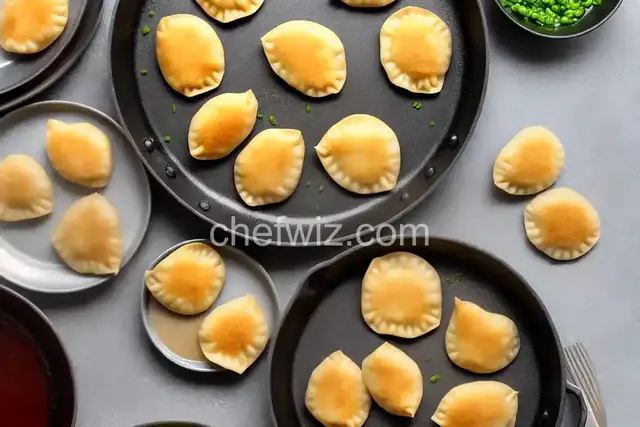
Once all the water has evaporated and the bottoms of the dumplings are a golden brown color, remove the pan from the heat.
Serve the dumplings.
Have you ever found yourself craving mouth-watering dumplings but only have frozen ones on hand? Don't fret! With the right techniques, you can transform those frozen dumplings into a deliciously crispy and flavorful dish. In this article, we will guide you through the process of successfully pan-frying frozen dumplings, ensuring a delightful culinary experience. So, let's get started!
Pan-frying frozen dumplings is an excellent cooking method that combines the best of both worlds - a crispy exterior and a tender and juicy interior. The hot, oiled pan helps to create a golden-brown crust, while the steam generated from the frozen dumplings helps to cook the filling to perfection.
Before you begin pan-frying, it's crucial to properly prepare the frozen dumplings. Start by defrosting them in the refrigerator overnight or for a few hours if you're short on time. Once defrosted, pat them dry with a paper towel to remove any excess moisture, ensuring a crispy finish.
The choice of pan is crucial for achieving the perfect pan-fried dumplings. A non-stick skillet or a well-seasoned cast-iron pan works wonders for this cooking method. The non-stick surface ensures that the dumplings won't stick and break apart, while a cast-iron pan distributes heat evenly, resulting in a consistent cooking process.
When it comes to the type of oil, opt for a high smoke point oil like vegetable or canola oil. These oils can withstand the high heat required for pan-frying without burning. Heat the oil over medium-high heat until it shimmers, indicating that it's hot enough for cooking.
Now that you have your pan and oil ready, it's time to start pan-frying your frozen dumplings. Follow these steps for a successful outcome:
Congratulations! You've successfully pan-fried your frozen dumplings. Now it's time to enjoy them. Serve your delectable dumplings with a dipping sauce of your choice, such as soy sauce or a spicy chili oil. The crispy exterior and juicy filling make for a delightful combination that will leave your taste buds craving for more.
Pan-frying frozen dumplings is a fantastic way to enjoy these delectable treats without sacrificing flavor and texture. With the right preparation, choice of pan, and cooking techniques, you can achieve crispy and mouth-water
While it's possible to pan-fry frozen dumplings without defrosting them, it's recommended to defrost them first to ensure even cooking and prevent the bottoms from burning.
Olive oil has a lower smoke point compared to vegetable or canola oil, making it less suitable for high-heat cooking methods like pan-frying. It's best to use oils with higher smoke points to achieve optimal results.
To prevent sticking, make sure your pan is properly heated and coated with a thin layer of oil before adding the dumplings. Also, avoid overcrowding the pan and leaving enough space between each dumpling.
Yes, you can freeze pan-fried dumplings for later consumption. After pan-frying, allow them to cool completely, then place them in an airtight container or freezer bag. When ready to eat, simply reheat them in a preheated oven until heated through.
Pan-fried dumplings are generally considered healthier than deep-fried ones. Pan-frying requires less oil, resulting in a lower fat content. However, moderation is always key, as excessive consumption of any fried food may still be unhealthy.
Absolutely! While pan-frying is a popular and delicious method, you can also steam, boil, or even bake frozen dumplings. Each cooking method offers a unique texture and flavor profile, so feel free to experiment and find your favorite.
To prevent greasiness, make sure the oil in the pan is hot enough before adding the dumplings. If the oil isn't hot enough, the dumplings will absorb more oil, resulting in a greasy texture. Additionally, using a paper towel to blot any excess oil after pan-frying can help reduce greasiness.
It's generally not recommended to reuse the oil used for pan-frying dumplings. The oil may have absorbed flavors from the dumplings and could be contaminated with food particles, affecting the taste and quality of future dishes. It's best to use fresh oil for each cooking session.
AprilCook, recipe developer and the heart of Chefwiz. More about April