How to Make Pesto
Rate this recipeBe the first to rate
 By AprilPublished
 Are you tired of the same old store-bought pesto? Why not try making your own homemade pesto sauce?
 By AprilPublished
 Are you tired of the same old store-bought pesto? Why not try making your own homemade pesto sauce?
(Optional) Begin by toasting the nuts or seeds for added flavor. In a medium skillet, heat them over medium heat, stirring frequently to prevent burning. Toast them until they become fragrant, which should take about 3 to 5 minutes. Transfer the toasted nuts/seeds to a bowl and allow them to cool for a few minutes.
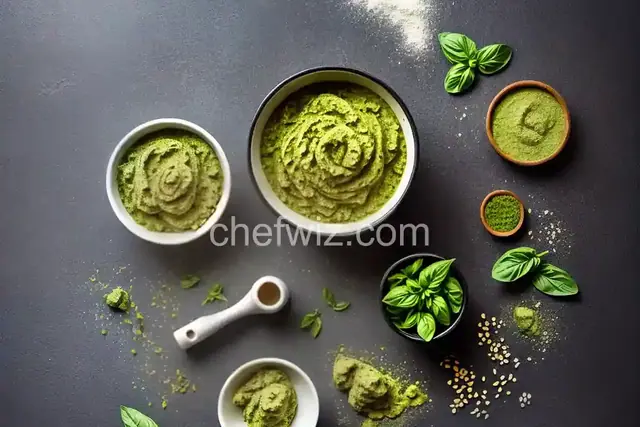
To prepare the pesto, combine the basil, cooled nuts/seeds, Parmesan, lemon juice, garlic, and salt in a food processor or blender. Start the machine and gradually drizzle in the olive oil while it continues to run. Keep processing until the mixture is well blended but still has some texture. If needed, pause and scrape down the sides of the processor/blender to ensure everything is properly incorporated.
Taste the pesto and make any necessary adjustments. If the basil tastes too bitter, add a pinch of salt. If you desire a creamier or cheesier pesto, add more Parmesan. If the pesto needs more flavor, add more lemon juice. If a thinner consistency is desired, you can add more olive oil. However, if you plan to serve the pesto with pasta, consider thinning it with small amounts of reserved pasta cooking water to bring everything together. Refer to the notes for more details.
Any leftover pesto can be stored in the refrigerator, covered, for up to 1 week. Alternatively, you can freeze the pesto by using an ice cube
Are you tired of the same old store-bought pesto? Why not try making your own homemade pesto sauce? Not only is it easy to make, but it's also a great way to add a burst of flavor to your dishes. In this article, we'll walk you through the steps of making pesto from scratch. So, grab your mortar and pestle, and let's get started!
Before you begin, gather all the necessary ingredients for your homemade pesto sauce. You'll need fresh basil leaves, garlic cloves, pine nuts, Parmesan cheese, olive oil, salt, and pepper. These simple ingredients come together to create a flavorful and aromatic sauce that will elevate your dishes to the next level.
When it comes to making pesto, fresh basil leaves are key. Look for bright green leaves without any signs of wilting. The aroma should be fresh and fragrant. Don't be afraid to give the leaves a gentle squeeze to release their natural oils. This will ensure that your pesto is bursting with flavor.
Once you have your ingredients ready, it's time to blend and emulsify. Traditionally, pesto is made using a mortar and pestle. The process of grinding the ingredients together helps to release their flavors and create a smooth and creamy texture. If you don't have a mortar and pestle, you can use a blender or food processor as well.
Start by adding the fresh basil leaves, garlic cloves, and pine nuts to your mortar, blender, or food processor. Give them a few pulses to break them down. Then, add the Parmesan cheese, olive oil, salt, and pepper. Blend everything together until you achieve a smooth and well-emulsified sauce.
Once your pesto sauce is blended, take a moment to assess its consistency. If it seems too thick, you can add a little more olive oil to thin it out. On the other hand, if it's too runny, you can add some additional basil leaves or pine nuts to thicken it up. The goal is to achieve a sauce that coats the back of a spoon but still has a pourable consistency.
Once your pesto is ready, transfer it to a jar or airtight container. It can be stored in the refrigerator for up to a week, or you can freeze it for longer-term storage. Pesto is a versatile sauce that can be used in a variety of dishes. Toss it with pasta, spread it on sandwiches, use it as a marinade, or drizzle it over grilled vegetables. The possibilities are endless!
Homemade pesto is a simple and delicious sauce that can transform any dish. By following these steps, you can create your own flavorful pesto sauce from scratch. Experiment with different nuts and herbs to customize the sauce to your liking. So, why settle for store-bought pesto when you can easily make it at home? Give it a try and elevate your culinary creations to new heights!
Yes, you can experiment with different types of nuts in your pesto sauce. Walnuts, almonds, or even pistachios can be used as a substitute for pine nuts. Each nut will bring its own unique flavor profile to the sauce.
Absolutely! If you're lactose intolerant or simply prefer a dairy-free version, you can omit the Parmesan cheese. The sauce will still be delicious and packed with flavor.
While fresh basil is preferred for its vibrant flavor, you can use dried basil in a pinch. Keep in mind that the flavor won't be as intense, so you may need to adjust the quantities accordingly.
No, traditional pesto sauce is not spicy. However, if you enjoy a little heat, you can add a dash of red pepper flakes to give your pesto a kick.
Yes, pesto sauce freezes well. Simply transfer it to an ice cube tray and freeze. Once frozen, remove the pesto cubes and store them in a freezer bag. This way, you can easily portion out the sauce as needed.
Homemade pesto will typically last in the refrigerator for up to a week. Just make sure to store it in an airtight container to preserve its freshness.
Absolutely! Pesto makes a delicious and flavorful alternative to traditional tomato-based pizza sauce. Spread a thin layer of pesto on your pizza crust and top it with your favorite toppings for a unique and tasty pizza.
Yes, you can use frozen basil leaves for pesto. However, keep in mind that frozen basil will have a slightly different texture and flavor compared to fresh basil. Thaw the frozen leaves before using them in your pesto sauce.
AprilCook, recipe developer and the heart of Chefwiz. More about April