How to Make Homemade Pho (Authentic)
Rate this recipeBe the first to rate
 By AprilPublished
 Are you a fan of Vietnamese cuisine? Do you crave a warm and comforting bowl of pho on a chilly day?
 By AprilPublished
 Are you a fan of Vietnamese cuisine? Do you crave a warm and comforting bowl of pho on a chilly day?
Preheat the oven to 425 degrees F (220 degrees C).
Place the beef bones on a baking sheet and roast them in the preheated oven for about 1 hour, or until browned.
Place the onion halves on a separate baking sheet and roast them on another rack until they are blackened and soft, which should take about 45 minutes.
Transfer the roasted beef bones and onion halves to a large stockpot.
Add the ginger, salt, star anise, fish sauce, and 4 quarts of water to the stockpot with the beef bones and onions. Bring the mixture to a boil.
Reduce the heat to low and simmer the mixture for 6 to 10 hours.
Strain the broth into a saucepan and set it aside.
Place the rice noodles in a large bowl filled with room temperature water and let them soak for 1 hour. Then drain them.
Heat up the reserved broth by bringing it to a simmer.
Bring a large pot of water to a boil and cook the soaked rice noodles in the boiling water for 1 minute. Then drain them.
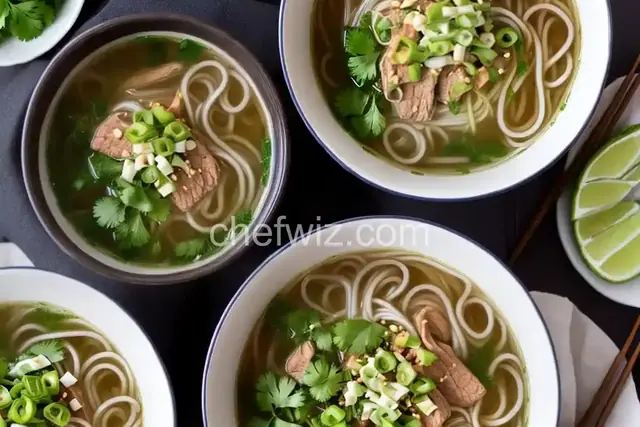
Divide the cooked rice noodles among 4 serving bowls.
Top the noodles with thinly sliced sirloin, cilantro, and green onion.
Ladle hot broth over the top of the noodles and garnishes.
Stir the mixture and let it sit until the
Are you a fan of Vietnamese cuisine? Do you crave a warm and comforting bowl of pho on a chilly day? Look no further! In this article, we will guide you through the process of making authentic homemade pho that will transport you straight to the bustling streets of Hanoi.
Pho, pronounced as "fuh," is a traditional Vietnamese soup that is known for its rich and fragrant broth. It is made by simmering beef or chicken bones, along with a blend of aromatic herbs and spices, for several hours. The result is a deeply flavorful broth that forms the foundation of this beloved dish.
Just like a painter meticulously crafts a masterpiece, making pho requires time and patience. The broth is the star of this dish, and it is essential to give it the time it deserves to develop its full potential. Simmering the bones low and slow allows the flavors to meld together and create a symphony of taste.
As the broth gently simmers away, it's time to add the aromatic elements that transform it into pho. Traditional pho recipes call for spices like star anise, cinnamon, cloves, and cardamom, as well as fresh ingredients like ginger and onion. These ingredients infuse the broth with their distinct flavors, creating a harmonious blend that is both comforting and invigorating.
No bowl of pho is complete without the addition of rice noodles. These silky strands of goodness soak up the flavors of the broth, creating a delightful textural contrast. When preparing your homemade pho, it's important to cook the noodles just right - al dente, with a slight chew. This ensures that they retain their integrity and don't become mushy.
One of the joys of eating pho is the opportunity to customize it with an array of toppings. Fresh herbs like Thai basil, cilantro, and mint add a burst of freshness, while bean sprouts provide a delightful crunch. Sliced jalapenos or Sriracha sauce can be added for those who enjoy a spicy kick. And of course, a squeeze of lime brings a zesty tang to the dish.
As you ladle the steaming broth into each bowl and arrange the toppings, don't forget the final touch - a sprinkle of love. Pho is more than just a dish; it is a labor of love. The time and effort you put into making it will be evident in every spoonful. Share this heartwarming delight with your loved ones, and let it nourish both their bodies and souls.
Making homemade pho is an art that requires time, patience, and a dash of love. From the simmering broth to the perfectly cooked noodles and the array of toppings, each element comes together to create a heartwarming delight. So why not embark on this culinary journey and create your own bowl of authentic pho? Your taste buds will thank you!
Absolutely! You can substitute the meat-based broth with vegetable stock and add a variety of vegetables and tofu to create a delicious vegetarian pho.
While the broth is best made fresh, you can prepare all the ingredients in advance and assemble the bowls of pho just before serving.
Yes, you can freeze leftover pho. However, keep in mind that the texture of the noodles may change slightly upon thawing.
While it's convenient, using pre-made pho broth may not yield the same depth of flavor as homemade broth. If you're short on time, look for high-quality store-bought options.
Pho can be a healthy option, especially when loaded with fresh herbs and vegetables. However, it's important to moderate the amount of sodium and fat in the broth.
Yes, you can use chicken instead of beef to make pho. Chicken pho, also known as pho ga, has a lighter flavor profile.
Yes, you can make pho gluten-free by using gluten-free rice noodles and ensuring that the sauces and condiments you use are also gluten-free.
Absolutely! Pho is versatile, and you can add other proteins like shrimp, tofu, or thinly sliced steak to customize your bowl.
AprilCook, recipe developer and the heart of Chefwiz. More about April