How to Make Gluten-Free Sandwich Bread Recipe
Rate this recipeBe the first to rate
 By AprilPublished
 Are you tired of searching for the perfect gluten-free sandwich bread recipe?
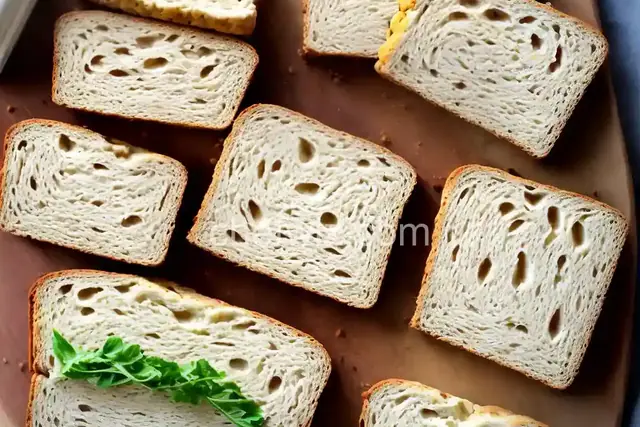 By AprilPublished
 Are you tired of searching for the perfect gluten-free sandwich bread recipe?
In a small bowl, mix together water and yeast until combined. Use a liquid measuring cup and ensure that the water temperature is between 110-115 degrees F. Let the yeast dissolve while you prepare the dry ingredients.
In a medium mixing bowl, whisk together the dry ingredients. While using a scale is the most accurate method, most American home bakers use cup measures. To properly fill a measuring cup, use a scoop or smaller measuring cup to pour the flour, making sure to use nested dry measuring cups. Whisk the flour before measuring to lighten it and remove any clumps. Overfill the cup and level it with a straight edge tool, such as a small cake decorating spatula, to achieve a level cup of flour. This method applies to gluten-free flours and starches as well.
Add the yeast mixture, vegetable oil, and eggs to the dry ingredients.
Using an electric mixer, mix the dough on medium-high speed for five minutes. If using a stand mixer, use the flat paddle attachment. The dough should be soft, thick, and sticky. It will not form a cohesive dough ball. If using a handheld mixer, the dough may try to climb the beaters, so use a rubber spatula to push it back into the bowl.
Lightly grease a 9x5-inch loaf pan with vegetable spray.
Evenly spread the batter into the greased pan.
Lightly cover
Are you tired of searching for the perfect gluten-free sandwich bread recipe? Look no further! In this article, we will guide you through the process of making delicious gluten-free bread that is perfect for sandwiches. Whether you have a gluten intolerance or simply want to try something new, this recipe is sure to satisfy your cravings.
Before we dive into the details of making gluten-free sandwich bread, let's discuss why you might want to go gluten-free. Gluten is a protein found in wheat, barley, and rye, and it can cause digestive issues for some people. By eliminating gluten from your diet, you may experience improved digestion, increased energy levels, and even weight loss.
Creating gluten-free bread can be a bit challenging. Gluten is responsible for the elasticity and structure of traditional bread, and without it, gluten-free bread tends to be dry and crumbly. However, with the right ingredients and techniques, you can achieve a soft and fluffy loaf of gluten-free sandwich bread.
When making gluten-free bread, it's important to use a mix of gluten-free flours. A combination of rice flour, tapioca flour, and potato starch works well to create a bread that is both light and moist. You'll also need xanthan gum, which acts as a binder in the absence of gluten. Other ingredients include yeast, sugar, salt, eggs, and milk.
Now that we have the ingredients ready, let's walk through the process of making gluten-free sandwich bread. First, you'll need to activate the yeast by mixing it with warm water and a pinch of sugar. Once the yeast is frothy, you can combine it with the rest of the ingredients and mix until a smooth dough forms.
Next, transfer the dough into a greased loaf pan and let it rise in a warm place until it doubles in size. This usually takes about an hour. Once the dough has risen, you can bake it in a preheated oven until it turns golden brown and sounds hollow when tapped.
While making gluten-free sandwich bread may seem daunting, these tips will help you achieve the perfect loaf every time:
Now that you know how to make gluten-free sandwich bread, you can enjoy delicious and healthy sandwiches without sacrificing taste or texture. Experiment with different fillings and toppings to create your perfect gluten-free sandwich. With a little practice, you'll become a gluten-free bread master in no time!
No, regular all-purpose flour contains gluten and will not yield the same results. Stick to gluten-free flours for the best texture and taste.
Yes, many bread machines have a gluten-free setting that takes into account the unique requirements of gluten-free bread. Follow the manufacturer's instructions for best results.
Gluten-free bread tends to dry out faster than traditional bread. To keep it fresh, store it in an airtight container or freeze it in slices and thaw as needed.
Absolutely! Adding seeds or nuts can enhance the flavor and nutritional value of your gluten-free bread. Just make sure they are gluten-free as well.
Yes, you can replace the eggs with a flax or chia seed egg substitute and use a non-dairy milk alternative. The texture may vary slightly, but it will still be delicious.
Make sure to follow the recipe instructions carefully, especially when it comes to the rising and baking times. Additionally, avoid opening the oven door while the bread is baking.
Yes, you can use instant yeast instead of active dry yeast. However, make sure to adjust the amount accordingly as instant yeast is more potent.
Yes, you can shape the dough into a round or oval loaf and bake it on a baking sheet lined with parchment paper. It may spread slightly, but the taste will be just as delicious.
AprilCook, recipe developer and the heart of Chefwiz. More about April