How To Cook Cabbage
Rate this recipeBe the first to rate
 By AprilPublished
 Are you a cabbage lover? Or maybe you've never really given cabbage a chance.
 By AprilPublished
 Are you a cabbage lover? Or maybe you've never really given cabbage a chance.
In a large pot of boiling water, blanch the cabbage leaves by dipping them using tongs for 30 seconds.
Place the blanched leaves on a plate lined with paper towels to dry.
Cut the cabbage into wedges or thin slices.
Bring a large pot of salted water to a boil and add the cabbage. It's fine to add a lot of cabbage as it will shrink while cooking.
Boil the cabbage until it is tender. Shredded cabbage will take about 5 minutes, while wedges will take around 10 minutes.
Drain the cooked cabbage on a plate lined with paper towels to remove excess moisture.
Preheat the oven to 425 degrees Fahrenheit.
Cut the cabbage into wedges or 1-inch thick rounds.
On a large baking sheet with raised edges, toss the cabbage with oil and season it with salt and pepper.
Bake the cabbage in the oven until it turns golden and becomes tender, which usually takes around 25 to 30 minutes.
Thinly slice the cabbage.
In a large skillet over medium-high heat, heat approximately 1 tablespoon of oil.
Add the shredded cabbage to the skillet and season it with salt and pepper.
Cook the cabbage, stirring it often, until it becomes tender, which typically takes about 10 minutes.
Are you a cabbage lover? Or maybe you've never really given cabbage a chance. Either way, cooking cabbage can be a delicious and nutritious addition to your meals. In this article, we'll explore different methods of cooking cabbage and discover the wonderful flavors it can bring to your table.
Cabbage is a versatile vegetable that can be enjoyed in various ways. Whether you prefer it raw in a salad, sautéed as a side dish, or cooked in a hearty soup, cabbage adds a delightful crunch and a mild, earthy flavor to your meals.
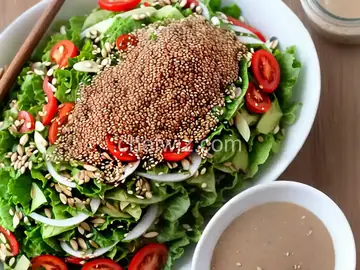
Raw cabbage is a great addition to salads. Its crispy texture and refreshing taste make it a perfect match for other vegetables and dressings. Simply shred or chop the cabbage finely and toss it with your favorite ingredients. You can even experiment with different dressings to create your own unique flavor combinations.
Sautéing cabbage brings out its natural sweetness and softens its texture. Start by slicing the cabbage into thin strips. In a hot pan, add some oil or butter and sauté the cabbage until it becomes tender and slightly caramelized. You can also add some garlic or onions for extra flavor. Sautéed cabbage makes a fantastic side dish or a delicious topping for sandwiches and tacos.
If you're feeling adventurous, try making stuffed cabbage rolls. This dish involves boiling the cabbage leaves until they are pliable, then filling them with a flavorful mixture of ground meat, rice, and spices. Once stuffed, the cabbage rolls are cooked in a tomato-based sauce until tender and juicy. It's a dish that will impress your family and friends with its beautiful presentation and delicious taste.
To ensure the best results when cooking cabbage, here are some helpful tips:
When selecting cabbage, look for heads that are firm and heavy for their size. Avoid cabbages with wilted or discolored leaves, as they may not taste as fresh.
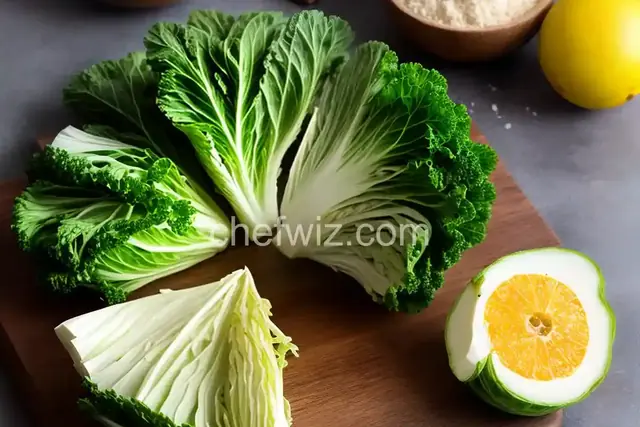
Before cooking, remove the outer leaves of the cabbage and wash it thoroughly. You can then slice, shred, or chop it according to your recipe.
Cabbage can become mushy if overcooked, so be careful not to leave it on the heat for too long. Cook it until it's tender but still retains a slight crunch.
Cabbage pairs well with a variety of seasonings and spices. Don't be afraid to experiment with different flavors to find your favorite combinations. From tangy vinegar to smoky paprika, the possibilities are endless.
Cooking cabbage opens up a world of culinary possibilities. Whether you prefer it raw, sautéed, or stuffed, cabbage offers a unique taste and texture that can elevate any dish. So next time you're at the grocery store, grab a head of cabbage and embark on a culinary adventure. Your taste buds will thank you!
Yes, you can freeze cooked cabbage. However, keep in mind that the texture may change slightly after thawing. It's best to consume it within a few months for optimal taste and quality.
Sautéing cabbage usually takes around 5-7 minutes. Cook it over medium-high heat, stirring occasionally, until it reaches your desired tenderness.
Absolutely! Red cabbage can be used in place of green cabbage in most recipes. It adds a vibrant color and a slightly sweeter flavor to your dishes.
Leftover cooked cabbage can be used in various ways. You can add it to soups, stews, or stir-fries for an extra boost of flavor and nutrition. It also makes a tasty addition to sandwiches and wraps.
Cabbage is low in calories and high in fiber, making it a great choice for weight loss. It's also packed with vitamins and minerals that support overall health.
Absolutely! Raw cabbage is crunchy and refreshing, making it a delicious addition to salads or slaws. Just make sure to wash it thoroughly before consuming.
Cabbage can be stored in the refrigerator for up to two weeks. Keep it in a plastic bag or wrap it tightly in plastic wrap to maintain its freshness.
Yes, you can cook cabbage in the microwave. Place the sliced or shredded cabbage in a microwave-safe dish, cover it, and microwave on high for 4-6 minutes, or until it's tender.
AprilCook, recipe developer and the heart of Chefwiz. More about April