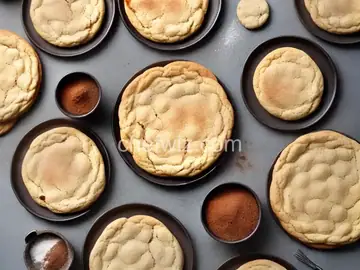
Hotteok
Rate this recipeBe the first to rate
 By AprilPublished
 Have you ever walked down the streets of Seoul and caught a whiff of something sweet and irresistible?
 By AprilPublished
 Have you ever walked down the streets of Seoul and caught a whiff of something sweet and irresistible?
In a bowl, combine flour, yeast, and 2 teaspoons of white sugar.
In a separate microwave-safe bowl, mix milk and water together and heat in the microwave for about 20 seconds until lukewarm.
Pour the milk mixture into the flour mixture and use a fork to evenly combine the ingredients into a dough.
Transfer the dough onto a lightly floured surface and knead for 2 minutes. The dough may be sticky.
Add salt to the dough and continue kneading for an additional 2 minutes until the dough becomes smooth.
Shape the dough into a ball and place it on a floured surface. Cover it with a wet paper towel and let it rise for 10 minutes.
In a resealable plastic bag, mix brown sugar, 1/4 cup of white sugar, walnuts, sesame seeds, and cinnamon until well combined.
Roll the dough into a cylinder shape and cut it into 10 equal pieces. Form each piece into a ball.
Using a rolling pin, roll each ball into a 5-inch circle.
Hold the dough in the palm of your hand and spoon 2 tablespoons of the filling into the center. Wrap the dough around the filling, forming it into a ball by pinching together the four corners of the dough in the middle. Pinch together another set of four corners to seal it completely. Place the balls seam-side down on a
Have you ever walked down the streets of Seoul and caught a whiff of something sweet and irresistible? Chances are, you've stumbled upon a hotteok stand. This popular Korean street food is a must-try for anyone with a sweet tooth. With its crispy exterior and gooey, sugary filling, hotteok is a treat that will leave you craving for more. In this article, we'll explore the origins of hotteok, how it's made, and why it has become a beloved snack all over Korea.
Hotteok is believed to have originated in the late 19th century in the city of Jeonju, known for its vibrant food culture. Initially called "Jeonju Hotteok," it quickly gained popularity and spread to other regions of Korea. Today, you can find hotteok stands in bustling cities like Seoul, Busan, and Incheon.
Making hotteok is an art form in itself. The dough is made from a mixture of flour, water, sugar, and yeast, resulting in a soft and chewy texture. It's then filled with a sweet mixture of brown sugar, cinnamon, and crushed peanuts. The filled dough is flattened and cooked on a hot griddle until golden brown and crispy.
While the classic hotteok is filled with a sweet mixture, there are also savory variations available. Some stalls offer hotteok filled with cheese, vegetables, or even spicy kimchi. These savory options provide a delightful contrast to the traditional sweet hotteok.
Hotteok's popularity can be attributed to its irresistible taste and the experience it offers. Imagine biting into a hot, freshly cooked hotteok on a chilly winter day. The warm, gooey filling oozes out, satisfying your taste buds and warming your soul. It's a simple pleasure that brings joy to people of all ages.
Additionally, hotteok stands are often found in bustling markets and street corners, creating a sense of excitement and adventure. The aroma of hotteok wafting through the air is enough to entice anyone passing by. It's no wonder that hotteok is a favorite snack for locals and tourists alike.
Hotteok is not just a delicious snack; it's a cultural experience. From its humble origins to its widespread popularity, hotteok has become a beloved part of Korean street food culture. Whether you're walking the streets of Seoul or trying your hand at making it at home, hotteok is a must-try for anyone seeking a sweet and satisfying treat.
Absolutely! While it may not be the same as buying it from a street vendor, you can recreate the deliciousness of hotteok in your own kitchen. There are many recipes available online that guide you through the process.
Hotteok is undoubtedly a treat and should be enjoyed in moderation. It is high in calories and sugar, so it's best to savor it as an occasional indulgence rather than a daily snack.
Yes, you can freeze hotteok for later consumption. Simply wrap them individually in plastic wrap or aluminum foil and store them in the freezer. When you're ready to enjoy them, thaw them in the refrigerator overnight and reheat them in a toaster oven or pan.
Yes, there are vegan and gluten-free versions of hotteok available. These variations use alternative ingredients such as rice flour or gluten-free flour and substitute animal-based products with plant-based alternatives. You can find recipes online that cater to specific dietary needs.
While hotteok is most commonly associated with Korean street food, you may be able to find it in Korean restaurants or food stalls in other countries. It's worth exploring local Korean communities or Asian grocery stores to satisfy your hotteok cravings.
Hotteok is a versatile snack that can be enjoyed at any time of the day. Whether you have it for breakfast, as an afternoon treat, or a late-night snack, hotteok is guaranteed to satisfy your sweet tooth.
The price of hotteok can vary depending on the location and the vendor. On average, hotteok typically costs around 1,000 to 3,000 Korean won (approximately $0.80 to $2.50 USD) per piece.
Korea is known for its diverse street food culture. Some other popular street foods to try include tteokbokki (spicy rice cakes), kimbap (seaweed rice rolls), and mandu (dumplings). Each snack offers its own unique flavors and experiences.
AprilCook, recipe developer and the heart of Chefwiz. More about April