Hot Pepper Sauce - A Trinidadian Staple
Rate this recipeBe the first to rate
 By AprilPublished
 Trinidadian cuisine is known for its bold and fiery flavors, and at the heart of this flavor explosion is hot pepper sauce.
 By AprilPublished
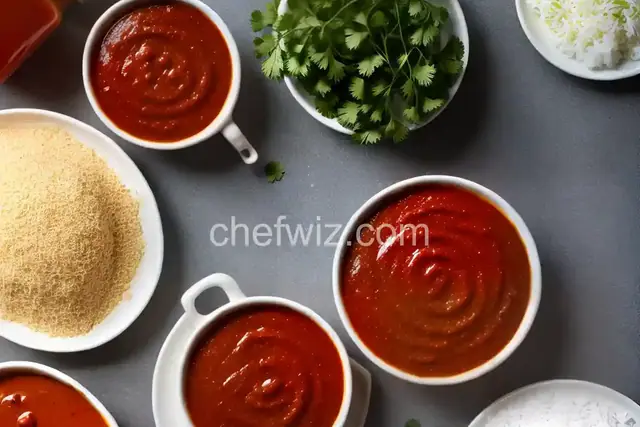
 Trinidadian cuisine is known for its bold and fiery flavors, and at the heart of this flavor explosion is hot pepper sauce.
Put on disposable gloves to protect your hands. Make sure to avoid contact with your eyes and skin.
Roughly chop the habanero peppers.
In a blender, combine the habanero peppers, mango, onion, green onions, and garlic.
Add the vinegar, lime juice, and vegetable oil to the blender.
Cover the blender and pulse until the mixture is finely chopped.
Stop the blender and add dry mustard powder, salt, curry powder, and lime zest.
Blend again until the sauce becomes smooth.
Transfer the sauce into clean jars.
Store the jars in the refrigerator.
Trinidadian cuisine is known for its bold and fiery flavors, and at the heart of this flavor explosion is hot pepper sauce. This condiment is a staple in every Trinidadian household, bringing heat and complexity to dishes of all kinds. In this article, we will delve into the world of hot pepper sauce, exploring its origins, ingredients, and the cultural significance it holds in Trinidadian cuisine.
Hot pepper sauce traces its roots back to the indigenous people of Trinidad, the Amerindians. They were the first to cultivate and use peppers for their potent flavor and medicinal properties. Over time, the hot pepper sauce recipe evolved with the arrival of different cultures, such as the Spanish, French, and African, each adding their own twist to the mix.
Hot pepper sauce typically consists of a few simple ingredients: hot peppers, vinegar, salt, and sometimes garlic and other spices. The choice of pepper can vary depending on personal preference, but the most commonly used pepper in Trinidadian hot pepper sauce is the scotch bonnet. This pepper is known for its intense heat and fruity flavor, which adds a unique dimension to the sauce.
The process of making hot pepper sauce is a labor of love. The peppers are first washed and then blended or crushed to release their fiery essence. The mixture is then combined with vinegar, salt, and other spices, creating a vibrant and pungent concoction. Some recipes call for fermentation to enhance the flavor, while others are made fresh and ready to be enjoyed immediately.
In Trinidad, hot pepper sauce is more than just a condiment; it is a symbol of national pride and identity. It is a testament to the resilience and spirit of the Trinidadian people, who have embraced the heat and flavors of their diverse heritage. Hot pepper sauce is present at every meal, from breakfast to dinner, and is often passed down through generations, preserving the traditions and flavors of the past.
No, hot pepper sauce has gained popularity worldwide and is used in various cuisines. Its fiery kick adds excitement and depth to dishes across different cultures.
The spiciness of hot pepper sauce varies depending on the type of pepper used and the personal preference of the maker. However, Trinidadian hot pepper sauce is known for its intense heat, so be prepared for a fiery experience.
Absolutely! Making hot pepper sauce at home allows you to customize the flavors and heat level according to your liking. Just be cautious when handling hot peppers to avoid any discomfort or irritation.
Hot pepper sauce has a long shelf life due to its high vinegar content, which acts as a natural preservative. It can last for several months when stored in a cool, dark place.
Hot pepper sauce is believed to have several health benefits. Capsaicin, the compound responsible for the heat in peppers, is known to have antioxidant and anti-inflammatory properties. However, moderation is key, as excessive consumption can lead to digestive discomfort.
Definitely! Hot pepper sauce makes an excellent marinade, infusing meat, seafood, and vegetables with its bold flavors. Just be mindful of the heat level and adjust accordingly.
If you're not a fan of spicy food, you can try milder alternatives such as sweet chili sauce or mango chutney. These condiments still add a touch of sweetness and tanginess to your dishes without the intense heat.
Absolutely! Hot pepper sauce is a versatile condiment that can be used as a dipping sauce for various snacks and appetizers. It adds a fiery kick and enhances the overall flavor of your favorite finger foods.
In conclusion, hot pepper sauce is more than just a condiment in Trinidadian cuisine. It represents the rich history, cultural diversity, and love for bold flavors that define Trinidad's culinary landscape. Whether you choose to buy it or make it yourself, hot pepper sauce is a must-try for anyone seeking a taste of the Caribbean's vibrant and spicy cuisine.
AprilCook, recipe developer and the heart of Chefwiz. More about April