Hot and Sour Chinese Eggplant
Rate this recipeBe the first to rate
 By AprilPublished
 Have you ever craved a dish that combines the bold flavors of spicy and tangy?
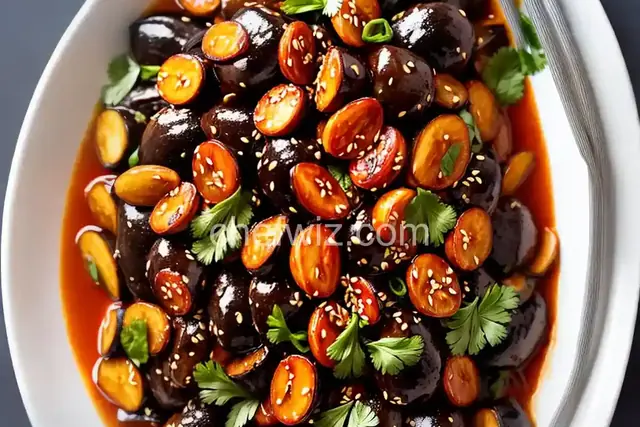 By AprilPublished
 Have you ever craved a dish that combines the bold flavors of spicy and tangy?
Place the eggplant cubes in a large bowl and sprinkle them with salt.
Fill the bowl with enough water to cover the eggplant cubes and let them stand for 30 minutes.
Rinse the eggplant cubes well and drain them on paper towels.
In a small bowl, mix together the soy sauce, red wine vinegar, sugar, chile pepper, cornstarch, and chili oil to make the sauce. Set the sauce aside.
Heat the vegetable oil in a large skillet or wok over medium-high heat.
Fry the eggplant cubes in the hot oil until they are tender and start to brown, which should take about 5 to 10 minutes.
Pour the sauce into the skillet or wok and cook and stir until the sauce thickens and coats the eggplant evenly.
Serve the dish immediately.
Have you ever craved a dish that combines the bold flavors of spicy and tangy? Look no further than hot and sour Chinese eggplant! This delectable dish is a perfect blend of heat and acidity, creating a tantalizing experience for your taste buds. Whether you're a fan of Chinese cuisine or simply love exploring new flavors, this dish is a must-try.
Hot and sour Chinese eggplant stands out from other dishes due to its unique combination of ingredients and flavors. The dish typically features tender eggplant slices, stir-fried to perfection, and coated in a tangy sauce. The sauce is a harmonious blend of vinegar, soy sauce, and spices that give the dish its distinct hot and sour taste.
One of the key ingredients in this dish is Chinese eggplant. Unlike its larger, globe-shaped counterparts, Chinese eggplant is long and slender, with a delicate skin and sweet flesh. This variety of eggplant is perfect for absorbing the flavors of the sauce, resulting in a mouthwatering combination of textures and tastes.
Preparing hot and sour Chinese eggplant is surprisingly simple. Start by slicing the eggplant into thin rounds or long strips, depending on your preference. Next, heat some oil in a pan and stir-fry the eggplant until it turns golden brown and becomes soft and tender.
Once the eggplant is cooked, it's time to prepare the sauce. In a separate bowl, combine vinegar, soy sauce, chili sauce, and sugar. Adjust the quantities of these ingredients according to your desired level of heat and tanginess. Then, pour the sauce over the cooked eggplant and stir-fry for a few more minutes until the flavors meld together.
The versatility of hot and sour Chinese eggplant is truly remarkable. It can be enjoyed as a standalone dish, served with steamed rice or noodles for a satisfying meal. The combination of textures and flavors makes it an excellent choice for vegetarians and vegans alike.
For those who prefer a heartier meal, hot and sour Chinese eggplant can also be paired with other dishes. It complements well with stir-fried vegetables, tofu, or even meat-based dishes like chicken or shrimp. The tanginess of the eggplant adds a refreshing element to any meal, creating a delightful contrast in flavors.
Not only is hot and sour Chinese eggplant a treat for your taste buds, but it also offers several health benefits. Eggplants are rich in antioxidants, which help protect against cell damage and reduce the risk of chronic diseases. Additionally, the tangy sauce is often made with vinegar, which is known to aid digestion and promote healthy gut bacteria.
Moreover, hot and sour Chinese eggplant is a low-calorie and low-fat dish, making it a great option for those watching their weight. The eggplant itself is packed with nutrients and dietary fiber, keeping you feeling satisfied and full for longer.
Absolutely! While Chinese eggplant is the traditional choice for hot and sour Chinese eggplant, you can experiment with other varieties. Just keep in mind that the texture and flavor may differ slightly.
Yes, hot and sour Chinese eggplant is a versatile dish that can accommodate various dietary preferences. It is naturally vegetarian and vegan-friendly. For gluten-free options, ensure that the soy sauce and other condiments used are gluten-free.
Absolutely! The spiciness of hot and sour Chinese eggplant can be adjusted according to your taste preferences. Simply add more or less chili sauce to achieve your desired level of heat.
If you have any leftovers, store them in an airtight container in the refrigerator. The dish can be reheated in a pan or microwave for a quick and delicious meal.
While it is possible to freeze hot and sour Chinese eggplant, the texture of the eggplant may change upon thawing. It is best enjoyed fresh, but if you do decide to freeze it, make sure to thaw it thoroughly before reheating.
If you're feeling adventurous, you can add other ingredients to hot and sour Chinese eggplant, such as bell peppers, mushrooms, or even cashews for an extra crunch. Get creative and make it your own!
If you prefer a milder flavor, you can reduce the amount of vinegar used in the sauce. Alternatively, you can balance the tanginess by adding a bit more sugar or honey.
Hot and sour Chinese eggplant does have a spicy kick to it, but the level of spiciness can be adjusted according to your preference. Adjust the amount of chili sauce to make it milder or spicier.
In conclusion, hot and sour Chinese eggplant is a delightful dish that combines the best of both worlds - heat and tanginess. Its unique flavors, versatility, and health benefits make it a must-try for any food enthusiast. So why wait? Get ready to indulge in a tangy delight that will leave you craving for more!
AprilCook, recipe developer and the heart of Chefwiz. More about April