Honeycomb Candy
Rate this recipeBe the first to rate
 By AprilPublished
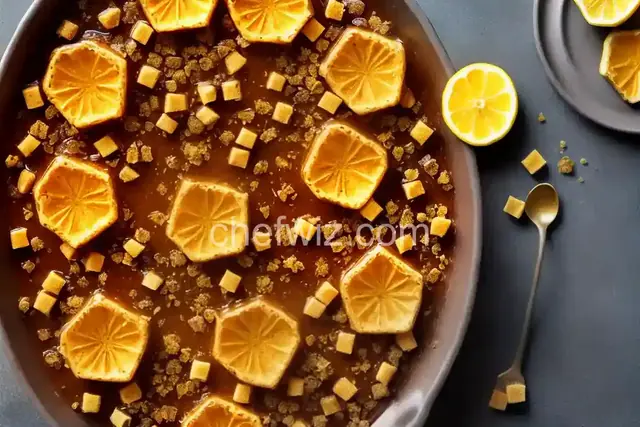
 Picture this: you take a bite of a crunchy, caramelized candy that melts in your mouth, leaving behind a burst of sweetness.
 By AprilPublished
 Picture this: you take a bite of a crunchy, caramelized candy that melts in your mouth, leaving behind a burst of sweetness.
In a large saucepan, combine the sugar and water, and gently mix them together.
Add the honey and corn syrup to the saucepan.
Boil the mixture until it turns amber in color and the sugar resembles caramel.
Add the baking soda to the saucepan.
Using a wooden spoon, gently stir the mixture.
Expect the mixture to foam up significantly.
Pour the foamy mixture onto a silpat or a sheet of parchment paper placed on a sheet pan.
Allow the mixture to cool.
Break the cooled mixture into smaller pieces.
Picture this: you take a bite of a crunchy, caramelized candy that melts in your mouth, leaving behind a burst of sweetness. It's the perfect blend of texture and flavor, and it's called honeycomb candy. In this article, we'll delve into the fascinating world of honeycomb candy, exploring its origins, how it's made, and why it has become a beloved treat for many. So, grab a cup of tea and let's satisfy our curiosity about this delightful confectionary!
Honeycomb candy, also known as sponge candy or cinder toffee, has a rich history that spans centuries. Its exact origins are uncertain, but one thing is clear: it has stood the test of time. Just like honeybees work tirelessly to create their intricate honeycombs, candy makers have perfected the art of crafting this delectable treat.
Have you ever wondered how honeycomb candy gets its unique texture and taste? It's a fascinating process that involves a delicate balance of ingredients and precise timing. Imagine a volcanic eruption of sweet goodness, with hot caramel bubbling and expanding, creating bubbles and pockets of air. These bubbles are what give honeycomb candy its distinct light and airy texture.
Making honeycomb candy is like conducting a science experiment in your kitchen. As the hot caramel mixture reaches a certain temperature, a chemical reaction occurs. Bicarbonate of soda, also known as baking soda, is added to the mixture, causing it to foam and expand rapidly. The resulting carbon dioxide gas gets trapped within the structure, giving honeycomb candy its characteristic porous appearance.
The magic of honeycomb candy lies in its irresistibly crisp texture. When you take a bite, it shatters into delightful fragments, creating a symphony of crunchiness in your mouth. It's like biting into a cloud that has been transformed into a delicious treat. The contrast between the caramelized exterior and the airy interior makes every bite a delightful surprise.
Honeycomb candy is not just a standalone treat; it can be incorporated into a variety of desserts and dishes. Imagine a scoop of creamy vanilla ice cream topped with chunks of honeycomb candy, creating a tantalizing blend of flavors and textures. Or how about crumbling honeycomb candy over a rich chocolate cake, adding both sweetness and crunch? The possibilities are endless!
Honeycomb candy has captured the hearts of many with its unique combination of taste and texture. Its sweet and crunchy nature appeals to those with a penchant for indulgence. Whether you're a fan of toffee, caramel, or just looking for a new treat to try, honeycomb candy is sure to satisfy your cravings.
Honeycomb candy is a confectionary wonder that delights both the taste buds and the imagination. Its origins may be shrouded in mystery, but its popularity is undeniable. The science behind its creation adds an element of intrigue, while its crispy texture and versatile nature make it a favorite among dessert enthusiasts. So, the next time you crave something sweet and satisfying, give honeycomb candy a try. Prepare to be captivated by its honey-sweet allure!
Absolutely! Making honeycomb candy at home is a fun and rewarding experience. All you need are a few simple ingredients and a candy thermometer to ensure the perfect consistency.
Yes, honeycomb candy is typically gluten-free as it doesn't contain any gluten-based ingredients. However, it's always essential to check the specific recipe or product for any potential gluten contamination.
When stored in an airtight container, honeycomb candy can stay fresh for up to two weeks. However, it's so delicious that it often gets devoured long before it has a chance to lose its freshness!
Yes, honeycomb candy can be used as a delightful addition to various baked goods. You can crumble it and sprinkle it over cakes, cookies, or even incorporate it into homemade ice cream.
Honeycomb candy is also known as sponge candy, cinder toffee, and hokey pokey in different parts of the world. Despite the various names, its deliciousness remains the same!
Yes, honeycomb candy is generally considered suitable for vegetarians, as it doesn't contain any animal-derived ingredients. However, it's always wise to check the specific recipe or product to ensure it aligns with your dietary preferences.
Absolutely! While honeycomb candy is delightful on its own, you can experiment with adding different flavorings such as vanilla extract, chocolate, or even a hint of cinnamon. Let your creativity soar!
Yes, there are various variations of honeycomb candy found around the world. Some recipes incorporate different types of sugars, while others add additional ingredients like nuts or dried fruits for added texture and flavor.
AprilCook, recipe developer and the heart of Chefwiz. More about April