Homemade Za'atar
Rate this recipeBe the first to rate
 By AprilPublished
 Do you ever feel like your dishes are missing a certain je ne sais quoi, that burst of flavor that takes them from good to extraordinary?
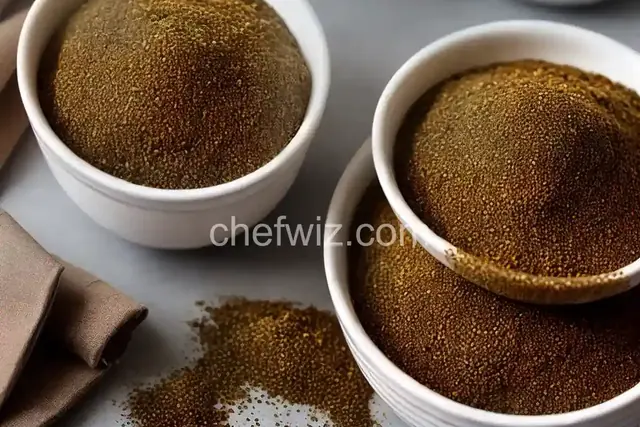 By AprilPublished
 Do you ever feel like your dishes are missing a certain je ne sais quoi, that burst of flavor that takes them from good to extraordinary?
Heat a dry skillet over medium heat and toast sesame seeds until they turn a golden color, which should take approximately 3 to 5 minutes.
In a bowl, combine the toasted sesame seeds with thyme leaves, sumac, and salt. Stir the ingredients together until they are well mixed.
Store the za'atar spice mix in the refrigerator for up to 1 week.
To enjoy the za'atar, sprinkle the spice mixture over a plate of labneh and drizzle it with olive oil.
Serve the labneh and za'atar with pita bread as a dip.
Do you ever feel like your dishes are missing a certain je ne sais quoi, that burst of flavor that takes them from good to extraordinary? Look no further than za'atar, the Middle Eastern spice blend that can transform any meal into a culinary masterpiece. In this article, we will explore the wonders of homemade za'atar, its rich history, and how you can easily make it in the comfort of your own kitchen.
Za'atar has a long and illustrious history, dating back centuries in the Middle East. Its name originates from the Arabic word for "thyme," which is one of the key ingredients in this magical blend. However, za'atar is not just limited to thyme; it is a harmonious combination of herbs, spices, and toasted sesame seeds. Each region and family may have their own unique twist on the recipe, resulting in a plethora of za'atar variations.
Creating your own homemade za'atar is a delightfully simple process, and the best part is that you can customize it to suit your taste preferences. The basic ingredients include thyme, sumac, sesame seeds, and salt. However, you can experiment with additional herbs like oregano, marjoram, or even mint to add your personal touch. The possibilities are endless, and the flavors are guaranteed to transport you to the vibrant streets of the Middle East.
Thyme is the star of the show when it comes to za'atar. Its earthy and slightly minty flavor provides the foundation for this enchanting blend. Not only does thyme add depth to your dishes, but it also offers a myriad of health benefits, including antioxidant and anti-inflammatory properties.
Sumac, a reddish-purple spice made from dried berries, adds a tangy and lemony flavor to za'atar. Its vibrant color and citrusy zing elevate the taste profile, making every bite a burst of freshness. Sumac is not only a flavor enhancer but also a rich source of antioxidants, vitamins, and minerals.
Toasted sesame seeds bring a delightful nutty crunch to the za'atar blend. They add a depth of flavor and a satisfying texture that complements the herbs and spices perfectly. Sesame seeds are also packed with essential nutrients like protein, fiber, and healthy fats, making za'atar not just delicious but also nutritious.
Salt acts as a harmonizing agent in za'atar, bringing all the flavors together in a delicate balance. It enhances the overall taste and ensures that every ingredient shines. However, it's important to use salt sparingly, as za'atar is already a flavorful blend and a little goes a long way.
Making your own za'atar is a breeze, and the rewards are truly worth it. Begin by toasting the sesame seeds to release their nutty aroma. Then, combine all the ingredients in a mortar and pestle or a spice grinder, and gently crush them together. The goal is to achieve a coarse texture that still retains some texture and visual appeal. Once your za'atar is ready, store it in an airtight container and sprinkle it on everything from roasted vegetables to grilled meats, or even use it as a dip with olive oil and bread.
In conclusion, homemade za'atar is a culinary treasure that can elevate your dishes to new heights. Its rich history, diverse flavors, and health benefits make it a must-have in every kitchen. So, why settle for ordinary when you can unleash the flavorful magic of za'atar? Get creative, experiment with different herbs and spices, and let your taste buds embark on a Middle Eastern adventure.
Absolutely! While traditional za'atar uses dried herbs, you can certainly experiment with fresh herbs for a vibrant and aromatic twist.
Yes, za'atar is naturally gluten-free, making it a versatile spice blend suitable for various dietary needs.
Absolutely! Mix za'atar with olive oil, lemon juice, and your choice of protein for a flavorful and aromatic marinade.
Za'atar can be found in specialty food stores, Middle Eastern markets, and even online. However, making it at home allows you to customize the blend to your liking.
When stored in an airtight container in a cool, dry place, homemade za'atar can stay fresh for up to six months.
Absolutely! Sprinkle some za'atar on freshly popped popcorn for a unique and flavorful snack.
Za'atar itself is not spicy. However, the addition of chili flakes or other spicy ingredients can give it a kick if desired.
Certainly! Za'atar can add a delightful twist to bread, crackers, or even pizza dough.
Yes, za'atar is a fantastic addition to vegetarian and vegan dishes, adding depth and flavor without the need for animal products.
AprilCook, recipe developer and the heart of Chefwiz. More about April