Homemade Wine
Rate this recipeBe the first to rate
 By AprilPublished
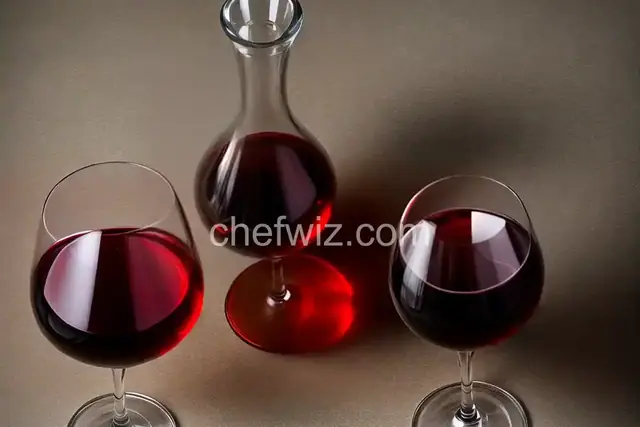
 Are you a wine lover? Have you ever considered making your own wine?
 By AprilPublished
 Are you a wine lover? Have you ever considered making your own wine?
Gather all the necessary ingredients.
In a 1-gallon jug, combine the sugar, juice concentrate, and yeast.
Fill the jug with cold water, making sure to leave some space at the top.
Stir or shake the mixture well until the sugar has completely dissolved and everything is well combined.
Rinse a large balloon and place it over the opening of the jug.
Secure the balloon in place with a rubber band.
Find a cool and dark place to store the jug.
After about a day, you will notice the balloon starting to expand. This is because the sugar is converting into alcohol, releasing gases that inflate the balloon.
Once the balloon has deflated, it means the wine is ready to drink. This usually takes around 6 weeks in total.
For the best results, use a frozen juice concentrate that does not contain any added sweeteners.
Are you a wine lover? Have you ever considered making your own wine? Making homemade wine is a rewarding and enjoyable process that allows you to create a unique and personalized beverage. Whether you're a beginner or an experienced wine enthusiast, this article will provide you with valuable insights and tips on making your own homemade wine.
Imagine the satisfaction of opening a bottle of wine made with your own hands, knowing that every sip is a result of your hard work and passion. Making homemade wine allows you to control the entire winemaking process, from selecting the grapes to aging the wine. It's a creative and fulfilling hobby that brings you closer to the art of winemaking.
Before diving into winemaking, you'll need a few essential tools and ingredients. Don't worry; you don't need a fancy winery setup! With basic equipment like a fermentation vessel, airlock, siphon, and bottles, you're ready to begin. Plus, you'll need grapes or grape juice, yeast, and sugar to start the fermentation process.
Winemaking involves several key steps, each contributing to the final product's flavor and quality. From crushing the grapes to fermenting the juice, every stage requires attention to detail and patience. As the yeast consumes the sugar, it converts it into alcohol, resulting in the delightful taste of wine.
1. Sanitize, sanitize, sanitize! Cleanliness is crucial in winemaking to prevent spoilage and off-flavors.
2. Choose the right yeast strain for the desired wine style. Different strains yield different flavors and aromas.
3. Monitor the temperature during fermentation. Yeast works best within specific temperature ranges.
4. Taste the wine throughout the process to track its progress and make necessary adjustments.
Once the primary fermentation is complete, it's time to age the wine. Aging allows the flavors to develop and harmonize, resulting in a more complex and enjoyable wine. Store the wine in a cool, dark place and be patient. Good things come to those who wait!
There are countless wine varieties to explore when making homemade wine. From classic reds like Cabernet Sauvignon and Merlot to refreshing whites like Chardonnay and Sauvignon Blanc, the choice is yours. Don't be afraid to experiment with different grape varieties and blends to find your signature wine.
Making homemade wine is a delightful journey that combines art and science. It's an opportunity to express your creativity and taste the fruits of your labor. With the right tools, ingredients, and a dash of patience, you can create wines that rival those found in stores. So, why not embark on this winemaking adventure and savor the unique flavors of your own homemade wine?
The winemaking process typically takes several months to a year, depending on the desired style and aging preferences.
Absolutely! You can make wine using fruit juices, such as apple or peach juice. The process is similar to grape winemaking.
While winemaking requires attention to detail, it is a hobby that can be enjoyed by beginners. Start with simple recipes and gradually expand your skills.
To enhance the flavor of your homemade wine, consider using high-quality grapes or juice, experimenting with different yeast strains, and allowing the wine to age for longer periods.
Yes, you can! Making sparkling wine at home involves an additional step called "secondary fermentation" to create those delightful bubbles.
The main difference lies in the grape varieties used and the fermentation process. Red winemaking involves fermenting the grape skins along with the juice, extracting color and tannins. White winemaking focuses on fermenting the juice without the skins.
Absolutely! You can adjust the sweetness level of your homemade wine by controlling the amount of sugar added during fermentation.
Yes, homemade wine can rival store-bought wine in terms of quality and flavor. With practice and experimentation, you can create exceptional wines that suit your taste preferences.
While a wine cellar provides an ideal aging environment, you can still make excellent wine without one. Find a cool, dark place to store your bottles, such as a basement or closet.
AprilCook, recipe developer and the heart of Chefwiz. More about April