Homemade Sauerkraut (Brine method for whole, half or quartered cabbage)
Rate this recipeBe the first to rate
 By AprilPublished
 Have you ever wondered how to make your own homemade sauerkraut?
 By AprilPublished
 Have you ever wondered how to make your own homemade sauerkraut?
Dissolve the salt in hot water until all the grains are no longer visible. Allow the solution to cool completely.
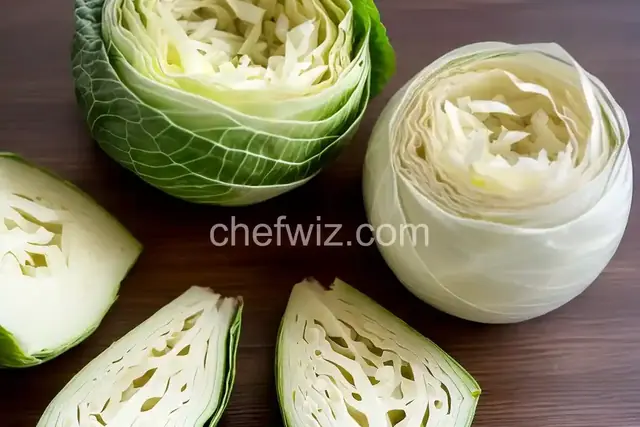
Cut the cabbage in half or quarters. Any type of cabbage can be used.
Place the whole or halved cabbage in a bucket or ceramic crock. Pour the cooled salt brine solution over the cabbage.
Ensure the cabbage is completely submerged in the brine by weighing it down with a plate covered in plastic wrap. Use a heavy weight on top of the plate, such as a jug of water.
Cover the container with a lid or cloth to keep contaminants out.
Allow the sauerkraut to ferment, checking for bubbles every day or two. Remove any bubbles that form on the surface.
Label the date on the sauerkraut to track the fermentation time. Fermentation time varies depending on temperature and personal preference. In winter, ferment for at least 4-6 weeks, in spring/autumn for 2-3 weeks, and in summer for 1-2 weeks (avoid very hot weather).
Test the sauerkraut by removing a piece of cabbage. It should be softened and yellowish in color. If desired, return the cabbage to the crock for further fermentation.
Enjoy different stages of maturity by cutting and consuming portions of the sauerkraut while continuing to ferment the rest. Move the sauerkraut to the
Have you ever wondered how to make your own homemade sauerkraut? Look no further! In this article, we will explore a simple and easy method to create delicious sauerkraut using the brine method. Whether you have a whole, half, or quartered cabbage, this method will work wonders for you. Let's dive in!
Imagine the crisp texture and tangy flavor of sauerkraut enhancing your meals. With the brine method, you can transform a simple cabbage into a delightful accompaniment. This method involves submerging the cabbage in a saltwater solution, allowing beneficial bacteria to ferment the cabbage and create that distinct sauerkraut taste.
Before you embark on your sauerkraut-making journey, ensure you have a clean work surface and all the necessary equipment. Grab a sharp knife, a cutting board, a large glass jar or fermentation crock, and a weight to keep the cabbage submerged in the brine. Now you're ready to go!
Take your cabbage and cut it into the desired size – whole, half, or quartered. The smaller the pieces, the quicker the fermentation process. Sprinkle salt generously over the cabbage, allowing it to draw out the cabbage's natural juices.
Now, pack the cabbage tightly into your chosen jar or crock. Ensure there is enough space at the top for the brine to cover the cabbage completely. Place a weight, such as a clean stone or a smaller jar filled with water, on top of the cabbage to keep it submerged. Seal the jar or crock, and let the magic happen!
Allow the sauerkraut to ferment at room temperature for a few days or weeks, depending on your desired level of tanginess. The longer you wait, the more pronounced the flavor will be. Remember to taste test along the way to find your perfect balance of tangy and crunchy.
Creating your own homemade sauerkraut using the brine method is a rewarding and flavorful experience. With just a few simple steps and some patience, you can enjoy the tangy goodness of sauerkraut in your meals. So why not give it a try? Your taste buds will thank you!
A1: The fermentation process typically takes anywhere from a few days to a few weeks, depending on your taste preferences.
A2: Yes, you can use any type of cabbage, including green or red cabbage, to make sauerkraut. Each variety adds a unique flavor profile to the final product.
A3: While a fermentation crock is an ideal container for making sauerkraut, you can also use a large glass jar or any food-safe container that can be sealed.
A4: Absolutely! Feel free to experiment with different flavors by adding spices, herbs, or even other vegetables to your sauerkraut. Get creative!
A5: If your sauerkraut smells foul, has mold or discoloration, or tastes off, it is best to discard it as it may have spoiled.
A6: Yes, once your sauerkraut is fermented to your liking, transfer it to airtight containers and store it in the refrigerator. It can last for several months.
A7: It is recommended to use non-iodized salt, such as kosher or sea salt, as iodine can inhibit the fermentation process.
A8: Sauerkraut is a versatile ingredient that can be enjoyed on its own, added to sandwiches, salads, or served as a side dish with meats. Get creative and explore various culinary possibilities!
AprilCook, recipe developer and the heart of Chefwiz. More about April