Homemade Rye Bread
Rate this recipeBe the first to rate
 By AprilPublished
 Are you tired of store-bought bread that lacks flavor and freshness?
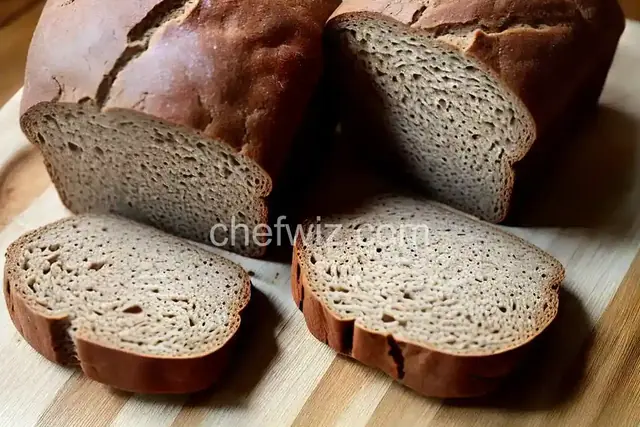 By AprilPublished
 Are you tired of store-bought bread that lacks flavor and freshness?
In the bowl of an electric mixer fitted with a dough hook, combine the yeast, sugar, melted butter, egg, and milk.
Beat the mixture on low speed for 1 minute.
Add the salt, rye flour, all-purpose flour, and caraway seeds to the bowl.
Beat the mixture at low speed until all of the flour is incorporated, approximately 1 minute.
Increase the speed to medium and continue beating until the mixture forms a ball, leaves the sides of the bowl, and climbs up the dough hook.
Remove the dough from the bowl and shape it into a smooth ball using your hands.
Lightly oil a separate bowl and place the dough in it, turning it to coat all sides with oil.
Cover the bowl with plastic wrap and set it aside in a warm, draft-free area for approximately 1 hour, or until the dough doubles in size.
Preheat the oven to 350 degrees F and lightly grease a 5 1/2 by 9-inch baking pan.
Remove the dough from the bowl and place it on a lightly floured surface.
Gently knead the dough several times.
Tuck and roll the dough to hide any seams and place it in the prepared baking pan.
Cover the pan with plastic wrap and set it aside in a warm, draft-free area for approximately 1 hour, or until the dough doubles
Are you tired of store-bought bread that lacks flavor and freshness? Why not try making your own homemade rye bread? It's easier than you think! In this article, we will guide you through the process of making delicious rye bread from scratch, without the need for any fancy equipment or complicated techniques.
There's something truly satisfying about baking your own bread. The aroma that fills your kitchen as it bakes, the anticipation of that first warm slice, and the sense of accomplishment you feel when you take a bite. Homemade rye bread is no exception.
Unlike store-bought bread, homemade rye bread is made with love and care. You have full control over the ingredients, ensuring that only the best quality goes into your loaf. Plus, you can customize it to your liking by adding seeds, nuts, or even a touch of sweetness.
Baking bread is like embarking on a culinary adventure. It's a process that requires time and patience, but the end result is always worth it. Just like a painter with a blank canvas, you have the opportunity to create something unique and delicious.
As you knead the dough and watch it rise, you can't help but feel a sense of connection to the ancient tradition of breadmaking. It's a reminder that even in our modern world, some things are best enjoyed when made by hand.
Rye bread has a distinct flavor that sets it apart from other types of bread. It has a slightly tangy taste and a dense, chewy texture that pairs perfectly with a variety of toppings. Whether you prefer a classic Reuben sandwich or a simple smear of butter, homemade rye bread elevates any meal.
By using high-quality ingredients and following a tried-and-true recipe, you can create a loaf of rye bread that surpasses anything you can buy at the store. The combination of earthy rye flour, a touch of sweetness, and a hint of caraway seeds creates a taste sensation that is truly irresistible.
Homemade rye bread is a delightful treat that is well worth the effort. By taking the time to make your own bread, you can enjoy the satisfaction of creating something delicious and unique. Whether you're a seasoned baker or a beginner, making rye bread at home is a wonderful way to connect with tradition and indulge in the joy of baking. So why not roll up your sleeves, gather your ingredients, and embark on a bread-making adventure?
Absolutely! If you have a bread machine, you can use it to mix and knead the dough for your rye bread. Simply follow the manufacturer's instructions for the best results.
While you can use all-purpose flour in combination with rye flour, it's best to use at least some rye flour to get that distinct rye flavor and texture. Rye flour adds a unique character to the bread that cannot be replicated with all-purpose flour alone.
Homemade rye bread typically stays fresh for about 3-4 days when stored properly in an airtight container or wrapped in plastic wrap. To extend its shelf life, you can also freeze the bread and thaw it as needed.
Absolutely! Rye bread is versatile and can be customized to your taste. You can add seeds like caraway, fennel, or sunflower seeds for extra flavor and texture. You can also experiment with adding nuts, dried fruits, or even a touch of honey or molasses for sweetness.
Yes, you can make rye bread without yeast by using a sourdough starter instead. Sourdough bread has a tangy flavor and a chewy texture that pairs well with rye flour. However, keep in mind that making sourdough bread requires a longer fermentation process.
The best way to determine if your rye bread is fully baked is to use a food thermometer. The internal temperature should reach around 190°F (88°C) when the bread is ready. Additionally, tapping the bottom of the loaf should produce a hollow sound.
Absolutely! Rye bread rolls are a great alternative if you prefer individual servings or if you want to make sandwiches or sliders. Simply divide the dough into smaller portions and shape them into rolls before baking.
Yes, a dutch oven is an excellent tool for baking rye bread. The heavy lid helps trap steam, creating a moist environment that promotes a crispy crust and a tender interior.
Rye flour naturally contains gluten, so it's not possible to make gluten-free rye bread. However, there are gluten-free alternatives available that mimic the taste and texture of rye bread using a combination of gluten-free flours and other ingredients.
AprilCook, recipe developer and the heart of Chefwiz. More about April