Homemade Red Hot Sauce
Rate this recipeBe the first to rate
 By AprilPublished
 Are you tired of store-bought hot sauces that lack flavor and kick?
 By AprilPublished
 Are you tired of store-bought hot sauces that lack flavor and kick?
In a non-reactive saucepan over high heat, combine the peppers, garlic, onions, salt, and oil.
Saute the mixture for 3 minutes.
Add the water and continue cooking, stirring occasionally, for about 20 minutes until the peppers are very soft and most of the liquid has evaporated. Ensure good ventilation while cooking.
Remove the saucepan from heat and let the mixture cool to room temperature.
Transfer the mixture to a food processor and puree for about 15 seconds until smooth.
While the food processor is running, gradually add the vinegar through the feed tube.
Taste the mixture and add more salt if needed, considering the heat level of the peppers and brand of vinegar used.
Strain the mixture through a fine mesh sieve.
Transfer the strained mixture to a sterilized pint jar or bottle and seal with an airtight lid.
Refrigerate the jar or bottle.
Allow the mixture to age for at least 2 weeks before using.
The hot sauce can be stored in the refrigerator for up to 6 months.
Are you tired of store-bought hot sauces that lack flavor and kick? Why not try making your own homemade red hot sauce? Not only will it give you the freedom to customize the heat level and flavor profile, but it's also a fun and rewarding process. In this article, we will guide you through the steps of making your very own red hot sauce from scratch. Let's dive in!
When it comes to making hot sauce, the choice of peppers is crucial. Do you prefer a mild and fruity flavor or a fiery, tongue-tingling experience? Whether you go for jalapenos, habaneros, or ghost peppers, each pepper brings its unique characteristics to the table. Experiment with different combinations to find your perfect balance of heat and flavor.
Vinegar plays a vital role in hot sauce making. It not only enhances the flavor but also acts as a natural preservative. The most commonly used vinegar for hot sauce is white vinegar, but you can also experiment with apple cider vinegar or even balsamic vinegar for a unique twist. The acidity of the vinegar helps to balance the heat of the peppers and create a harmonious flavor profile.
While peppers and vinegar are the main components of hot sauce, adding other ingredients can take your homemade sauce to the next level. Garlic, onions, tomatoes, and even fruits like mango or pineapple can add depth and complexity to the flavor. It's all about finding the right combination that pleases your taste buds.
Once you have selected your peppers, vinegar, and additional ingredients, it's time to blend them together. Using a blender or food processor, puree the ingredients until you achieve a smooth consistency. Remember to exercise caution when working with hot peppers, as they can irritate the skin and eyes. Consider wearing gloves and working in a well-ventilated area.
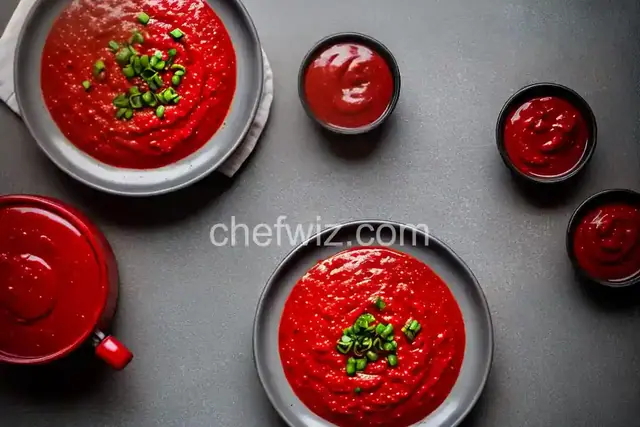
After blending the ingredients, strain the mixture to remove any seeds or large pieces. This step ensures a silky smooth texture. Once strained, transfer the hot sauce into sterilized bottles or jars. Properly sealing the bottles will ensure the sauce stays fresh for several months. Now, you have your very own homemade red hot sauce ready to spice up your meals!
Making your own homemade red hot sauce is a rewarding experience that allows you to unleash your creativity in the kitchen. By choosing the right peppers, experimenting with flavors, and blending them together, you can achieve a personalized hot sauce that perfectly suits your taste buds. So why settle for store-bought when you can savor the satisfaction of homemade heat? Get ready to spice up your meals and embark on a fiery flavor adventure!
Homemade hot sauce can last for several months when stored in a cool, dark place. However, the flavor and heat level may gradually diminish over time.
Absolutely! The beauty of homemade hot sauce is that you have complete control over the heat level. Adjust the amount and type of peppers to achieve your desired spiciness.
Yes, you can use dried peppers if fresh ones are not readily available. Just make sure to rehydrate them before blending to achieve the desired consistency.
Homemade hot sauce allows you to have full control over the ingredients used, avoiding any additives or preservatives. It can be a healthier option compared to some store-bought alternatives.
Absolutely! Hot sauce can add a flavorful kick to marinades, enhancing the taste of meats and vegetables. Just make sure to adjust the amount according to your preference.
Apart from adding heat to your favorite dishes, homemade hot sauce can be used in salad dressings, as a dip for chips and vegetables, or even as a spicy ingredient in cocktails.
If you prefer a thicker hot sauce, you can reduce the vinegar or add a small amount of xanthan gum, a natural thickening agent. Start with a small quantity and adjust to your desired consistency.
Absolutely! Mixing different types of peppers can create a complex and layered flavor profile. Just remember to adjust the quantities based on their heat levels.
Yes, storing homemade hot sauce in the refrigerator can help prolong its shelf life. However, it may thicken slightly when chilled, so let it come to room temperature before using.
AprilCook, recipe developer and the heart of Chefwiz. More about April