Homemade grape wine
Rate this recipeBe the first to rate
 By AprilPublished
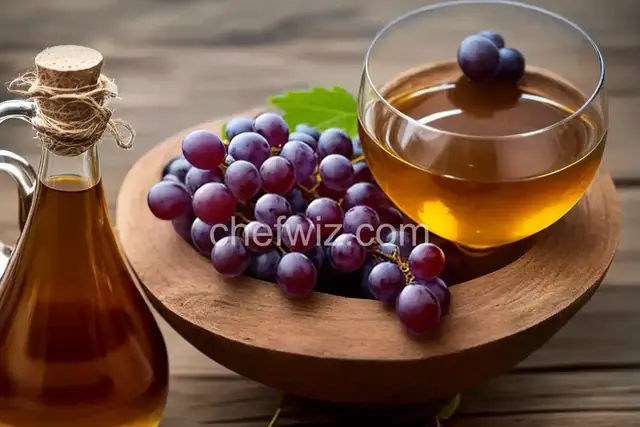
 Have you ever wondered what it would be like to sip on a glass of homemade grape wine, bursting with flavors and crafted with love?
 By AprilPublished
 Have you ever wondered what it would be like to sip on a glass of homemade grape wine, bursting with flavors and crafted with love?
Clean the vessels, spatula, jar, and bottles by washing them with hot water and drying them thoroughly.
Rinse the grapes under running water, repeating this process four times to ensure they are clean. Place the grapes on a clean cotton cloth to dry.
In the jar, mix water and sugar together until the sugar is completely dissolved, stirring well.
Use a grinder to crush the grapes into coarse pieces.
Add the crushed grapes to the sugar-water mixture in the jar.
In a separate bowl, dissolve 1 tsp of sugar in half a cup of lukewarm water and add yeast to it. Stir well and cover the bowl, allowing the yeast to activate for 10 minutes. Look for bubbling and growth on the surface.
Pour the yeast mixture into the jar with the grape-sugar mixture and stir thoroughly. Close the lid tightly and place the jar in a warm location.
After the first day, you will notice bubbling in the mixture. Stir the contents well and cover the jar with a clean cotton cloth, leaving the lid slightly open to allow gases to escape.
Stir the mixture once a day until the bubbling activity subsides, which usually takes about one week.
Use a sieve to strain the mixture and transfer the liquid into a container with a tightly closed lid.
Store the container in a dark place for one month, allowing more sediments to settle during this time
Have you ever wondered what it would be like to sip on a glass of homemade grape wine, bursting with flavors and crafted with love? Making your own wine at home can be an incredibly rewarding experience. It allows you to explore the art of winemaking, experiment with different grape varieties, and create a unique blend that suits your palate. In this article, we will embark on a delightful journey into the world of homemade grape wine, uncovering the secrets of fermentation, the art of aging, and the joy of savoring your own creation.
There's something captivating about the process of turning freshly harvested grapes into a rich, flavorful wine. It's like witnessing the transformation of nature's bounty into a work of art. Making wine at home allows you to be part of this magical process, from pressing the grapes to fermenting the juice and finally bottling the finished product. It's a journey that engages all your senses and leaves you with a deep appreciation for the craftsmanship and patience required to create a good bottle of wine.
Fermentation is the heart and soul of winemaking. It is the process that converts the natural sugars present in grapes into alcohol, giving wine its characteristic taste and aroma. Yeast, a microorganism found on grape skins, plays a crucial role in this transformation. When combined with grape juice and provided with the right conditions of temperature and oxygen, yeast consumes the sugars and produces alcohol as a byproduct. This magical process takes time and requires careful monitoring to ensure a successful fermentation.
Just like a fine piece of art, wine needs time to develop and mature. Aging is a critical step in the winemaking process, as it allows the flavors to harmonize and the tannins to soften. During this period, the wine undergoes chemical reactions that enhance its complexity and depth. The choice of aging vessel, such as oak barrels or stainless steel tanks, can also influence the flavor profile of the wine. Patience is key when it comes to aging wine, as the rewards are often well worth the wait.
After months of anticipation, the time has finally come to taste the fruits of your labor. Pouring a glass of your homemade grape wine is like opening a window into the world of flavors you have crafted. With every sip, you can savor the unique characteristics of the grape variety, the nuances of the fermentation process, and the influence of aging. Whether you choose to enjoy your wine with a hearty meal, during a special occasion, or simply as a moment of relaxation, it is a testament to your creativity and dedication.
Making homemade grape wine is a journey that combines art, science, and passion. From the moment you harvest the grapes to the time you savor the final product
In many countries, it is legal to make a certain amount of wine for personal consumption. However, it's important to check the specific regulations in your region before embarking on your winemaking journey.
While different grape varieties can be used to make wine, certain varieties are better suited for winemaking due to their sugar content, acidity, and flavor profiles. It's advisable to choose grape varieties that are commonly used for winemaking to ensure the best results.
The winemaking process can take several months from start to finish. It includes steps such as harvesting the grapes, fermenting the juice, aging the wine, and bottling the final product. The exact duration may vary depending on factors such as the grape variety, fermentation conditions, and desired level of aging.
While it is possible to make wine with minimal equipment, having some essential tools can greatly simplify the winemaking process. Items such as a fermentation vessel, airlock, hydrometer, and siphoning equipment are commonly used by home winemakers.
Making good wine requires attention to detail and adherence to best practices. It's important to follow a reliable recipe or guide, maintain proper hygiene throughout the process, and monitor the fermentation closely. Taking notes and learning from each batch can also help you improve your winemaking skills over time.
While homemade wine may not have the same consistency and refinement as commercially produced wine, it can certainly rival the flavors and enjoyment of many store-bought bottles. With practice and experimentation, you can develop your own unique style and create wines that are truly exceptional.
Proper storage is essential to maintain the quality of your homemade wine. It's important to store the bottles in a cool, dark place with a consistent temperature. Avoid exposing the wine to excessive heat, light, or fluctuations in temperature, as these can negatively impact the flavors and aromas.
Yes, homemade wine can improve with age, just like commercially produced wine. However, not all wines are meant to be aged. It's important to understand the aging potential of the grape variety you are using and make decisions accordingly. Proper storage conditions and patience are crucial for allowing the wine to develop and reach its full potential.
AprilCook, recipe developer and the heart of Chefwiz. More about April