Homemade Fresh Pasta Recipe
Rate this recipeBe the first to rate
 By AprilPublished
 Do you dream of enjoying a plate of delicate, flavorful pasta straight from Italy?
 By AprilPublished
 Do you dream of enjoying a plate of delicate, flavorful pasta straight from Italy?
Start by pouring flour on a large, clean work surface and create a well in the center.
In the well, add whole eggs, egg yolks, and salt. Use a fork to beat the ingredients thoroughly.
Gradually incorporate the flour into the eggs until a wet, sticky dough forms.
Use a bench knife to scrape excess dough from the fork and fingers. Fold additional flour into the dough with the bench knife, turning it 45 degrees each time, until the dough feels firm and dry.
Press the heel of your hand into the dough, pushing forward and down. Rotate the dough 45 degrees and repeat. Continue until the dough becomes smooth and elastic, similar to Play-Doh.
If the dough feels too wet, add flour gradually. If it feels too dry, add water slowly using a spray bottle.
Wrap the dough tightly in plastic wrap and let it rest on the countertop for 30 minutes.
Place a sheet of parchment paper on a tray or cutting board and lightly dust it with flour.
Unwrap the rested dough and cut it into quarters. Keep one quarter on the work surface and re-wrap the remaining dough.
Use a rolling pin to flatten the quarter of dough into an oblong shape, about 1/2 inch thick.
Set the pasta maker to the widest setting and pass the dough through the machine three times at this setting.
Place the dough
Do you dream of enjoying a plate of delicate, flavorful pasta straight from Italy? Well, you don't have to book a flight to savor the authentic taste of homemade pasta. With just a few simple ingredients and a little bit of patience, you can recreate the magic of Italian cuisine right in your own kitchen. In this article, we will guide you through the process of making homemade fresh pasta, step by step.
Making pasta from scratch is an art form that has been passed down through generations in Italy. It requires precision and passion, as well as a deep understanding of the ingredients and techniques involved. But don't be intimidated! With a little practice, you'll soon be rolling out silky, tender pasta like a true Italian nonna.
Before we dive into the process, let's talk about the key ingredients you'll need. Pasta is a simple dish that relies on just a few basic elements. You'll need:
That's it! With these humble ingredients, you can create a world of pasta possibilities.
1. Start by creating a well in the center of your mound of flour, and crack the eggs into it. Add a pinch of salt to enhance the flavor.
2. Gently whisk the eggs with a fork, gradually incorporating the flour from the sides of the well. As the mixture thickens, switch to using your hands to knead the dough.
3. Continue kneading the dough until it becomes smooth and elastic. This may take around 10-15 minutes. If the dough feels too dry, add a little water. If it's too sticky, sprinkle some flour.
4. Once the dough is ready, cover it with a clean kitchen towel and let it rest for at least 30 minutes. This allows the gluten to relax and makes the dough easier to work with.
5. After the resting period, divide the dough into smaller portions and roll them out with a rolling pin or a pasta machine. Aim for a thickness of about 1/8 inch.
6. Cut the rolled-out dough into your desired pasta shape. You can go for classic options like spaghetti or fettuccine, or get creative with shapes like ravioli or farfalle.
7. Cook the freshly made pasta in a large pot of boiling salted water for just a few minutes. The cooking time will vary depending on the thickness and shape of your pasta, so be sure to taste it for doneness.
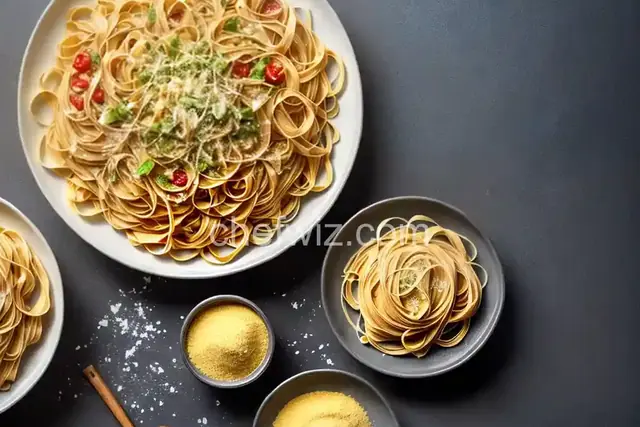
8. Once the pasta is al dente, drain it and toss it with your favorite sauce. Whether you prefer a simple tomato and basil sauce or a rich carbonara, the choice is yours.
Making homemade fresh pasta is a labor of love that rewards you with a truly exceptional culinary experience. From the moment you mix the ingredients to the first bite of perfectly cooked pasta, you'll feel a sense of accomplishment and satisfaction. So, why not gather your ingredients, roll up your sleeves, and embark on a pasta-making adventure in your own kitchen?
Yes, you can use gluten-free flour to make fresh pasta. However, keep in mind that the texture and taste may differ from traditional wheat-based pasta.
Homemade fresh pasta can be stored in an airtight container in the refrigerator for up to 3 days. You can also freeze it for up to 2 months.
Yes, you can make pasta without eggs by using semolina flour and water. This type of pasta is commonly known as "eggless pasta" or "pasta senza uova" in Italian.
No, you don't necessarily need a pasta machine to make fresh pasta. While a pasta machine makes the rolling process easier and ensures even thickness, you can also roll the dough by hand with a rolling pin.
Absolutely! You can add various flavors to your pasta dough, such as spinach, beetroot, or herbs. Just puree the desired ingredient and incorporate it into the dough.
To prevent your pasta from sticking together, make sure to generously flour the dough while rolling it out and separate the strands immediately after cutting.
Yes, you can use all-purpose flour instead of semolina to make fresh pasta. However, keep in mind that semolina flour provides a slightly firmer texture and a more authentic taste.
If your dough is too dry, gradually add small amounts of water until it reaches the desired consistency. Be careful not to add too much water, as it can make the dough too sticky.
AprilCook, recipe developer and the heart of Chefwiz. More about April