Homemade cream cheese with powdered milk
Rate this recipeBe the first to rate
 By AprilPublished
 Have you ever wondered if you can make your own cream cheese at home?
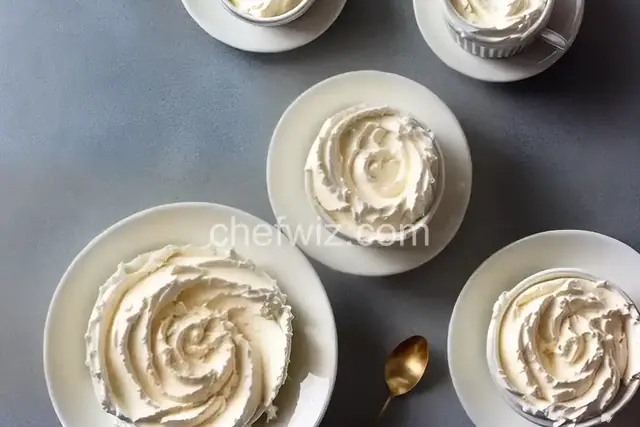 By AprilPublished
 Have you ever wondered if you can make your own cream cheese at home?
In a pot, combine the milk and water, and use a whisk to stir until there are no lumps.
Place the pot on the stove under medium heat and bring the milk to a simmer, stirring often.
Once the milk starts simmering, reduce the heat to a medium controlled heat.
Gradually add the vinegar, one tablespoon at a time, while stirring with a wooden spoon. Stir for about a minute before adding another spoonful.
As you add the vinegar, you will notice the milk beginning to curdle. Add the remaining vinegar and continue stirring until the curds separate from the whey.
Remove the pot from the heat and let it sit for a few minutes to allow complete separation.
Place a sieve over a bowl and line it with a cheese or muslin cloth.
Pour the curd into the sieve, allowing the whey to strain into the bowl.
Rinse the curd with water to remove the sour taste of the vinegar. Let it sit for a few minutes to strain out the water or gently squeeze out the excess water.
Break the curd into smaller pieces and transfer it to a food processor or blender jar.
Add salt and process until you achieve a smooth and creamy consistency. If it is too thick, add a spoonful of whey to loosen it to the desired consistency.
Store the cream cheese in an airtight container in the
Have you ever wondered if you can make your own cream cheese at home? Well, the good news is that you absolutely can! And the best part is, you can even make it using powdered milk. In this article, we will guide you through the process of making delicious homemade cream cheese using just a few simple ingredients. So, let's get started!
Before we dive into the process of making cream cheese, let's make sure we have all the necessary ingredients. You will need powdered milk, lemon juice or vinegar, salt, and water. That's it! These ingredients are easily accessible and you may already have them in your pantry. Now, let's move on to the next step.
First, take a bowl and add the powdered milk, salt, and water. Mix everything together until you have a smooth and creamy consistency. Make sure there are no lumps in the mixture. Once you have achieved the desired consistency, it's time to move on to the next step.
To curdle the mixture, add lemon juice or vinegar to the bowl. Mix it well and let it sit for about 10-15 minutes. During this time, the mixture will start to curdle and thicken. This is exactly what we want! The curdling process is essential for creating the creamy texture of cream cheese.
Now that our mixture has curdled, it's time to strain it. Take a cheesecloth or a clean kitchen towel and place it over a strainer or a colander. Pour the curdled mixture onto the cheesecloth and let it drain for a few hours or overnight. The longer you let it drain, the thicker your cream cheese will be. Patience is key here!
Once the cream cheese has drained to your desired consistency, transfer it to a container and refrigerate it for a few hours to allow it to set. And voila! Your homemade cream cheese is ready to be enjoyed. Spread it on bagels, use it as a dip, or incorporate it into your favorite recipes. The possibilities are endless!
Making homemade cream cheese with powdered milk is a fun and rewarding process. With just a few simple ingredients and some patience, you can create your own creamy and delicious cream cheese at home. Experiment with different flavors and enjoy the satisfaction of knowing exactly what goes into your spread. So why not give it a try? Your taste buds will thank you!
Absolutely! While this article focuses on making cream cheese with powdered milk, you can definitely use fresh milk as well. The process may vary slightly, but the end result will still be delicious homemade cream cheese.
Homemade cream cheese can last for about 1-2 weeks in the refrigerator. Just make sure to store it in an airtight container to maintain its freshness.
Absolutely! You can get creative and add various flavors to your cream cheese. Some popular options include herbs, garlic, chives, or even fruits like strawberries or blueberries. Let your imagination run wild!
Yes, you can freeze homemade cream cheese. However, keep in mind that the texture may change slightly after thawing. It's best to use frozen cream cheese in recipes rather than as a spread.
Absolutely! Lime juice can be a great alternative to lemon juice or vinegar. It will still help in the curdling process and give your cream cheese a unique flavor.
Curdling the mixture is an essential step in the cream cheese-making process. It helps create the creamy texture that we associate with cream cheese. Skipping this step may result in a different texture and taste.
While it's possible to use a blender, it's best to mix the ingredients by hand. This allows you to have better control over the consistency and prevents over-mixing, which can affect the final texture of the cream cheese.
Yes, you can! If you prefer or require dairy-free options, you can use powdered milk alternatives like almond milk powder or soy milk powder. Follow the same process as mentioned earlier, and you'll have homemade cream cheese without dairy.
AprilCook, recipe developer and the heart of Chefwiz. More about April