Homemade Butter and Buttermilk
Rate this recipeBe the first to rate
 By AprilPublished
 Have you ever wondered what it would be like to make your own butter and buttermilk at home?
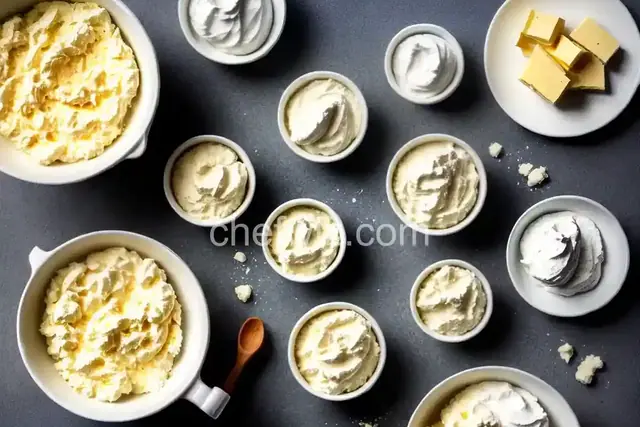 By AprilPublished
 Have you ever wondered what it would be like to make your own butter and buttermilk at home?
Pour the cream into the bowl of a 5-quart electric stand mixer fitted with a whisk attachment.
Cover the top of the bowl and the mixer with plastic wrap, making sure it is tightly sealed.
Beat the cream at a moderately high speed until it reaches soft peaks, which should take around 10 to 12 minutes.
Increase the speed to high and continue beating until the mixture separates into thick, pale-yellow butter and thin, liquid buttermilk. This should take approximately 5 minutes.
Set a colander over a large bowl and strain the mixture through it to separate the butter and buttermilk.
Using your hands, vigorously knead the butter in the colander to squeeze out any remaining buttermilk. Continue kneading until the butter becomes dense and creamy, which should take about 5 minutes.
Transfer the butter to a large bowl, setting aside the buttermilk for later use.
Knead the salt into the butter using your hands.
Shape the butter into logs and wrap them in plastic wrap, or transfer it to an airtight container and refrigerate. The butter can be stored in the refrigerator for up to 1 week, or frozen for up to 1 month.
Strain the buttermilk through a fine-mesh sieve and refrigerate it in a covered container for up to 1 week.
Have you ever wondered what it would be like to make your own butter and buttermilk at home? There's something truly satisfying about creating these creamy delights from scratch. Not only do they taste incredible, but the process also allows you to have full control over the ingredients, ensuring a healthier and more flavorful end product. So, let's dive into the wonderful world of homemade butter and buttermilk!
Imagine a time when people relied on their own physical strength to churn butter. It was a laborious process that required patience and perseverance. Today, with modern appliances, we can achieve the same result in a fraction of the time. All you need is some heavy cream and a mixer or blender.
When you whip the cream, the fat molecules separate from the liquid, creating butter and buttermilk. This transformation is like witnessing a culinary miracle. After a few minutes of whisking or blending, you'll notice the cream thickening and turning into a soft, fluffy mass.
Once the butter has formed, it's time to remove the excess buttermilk. You can do this by straining the mixture through a fine sieve or cheesecloth. The liquid that drains out is the precious buttermilk, which can be used in various recipes or enjoyed as a refreshing drink.
Buttermilk is not only a byproduct of butter-making; it's also a versatile ingredient in its own right. With its tangy flavor and creamy texture, buttermilk adds a delightful twist to both sweet and savory dishes. From fluffy pancakes to tender fried chicken, the possibilities are endless.
When used in baking, buttermilk acts as a natural leavening agent, making your cakes and breads incredibly moist and tender. The acidity of buttermilk reacts with the baking soda or powder, creating bubbles that give your baked goods a light and airy texture.
On a hot summer's day, there's nothing quite like a glass of ice-cold buttermilk. Its tangy flavor and creamy consistency make it a refreshing and satisfying drink. Add a pinch of salt and a sprinkle of herbs, and you've got yourself a healthy and delicious alternative to sugary beverages.
Making your own butter and buttermilk at home is a rewarding experience that allows you to savor the true essence of these dairy delights. From the churning process to the versatility of buttermilk, the possibilities are endless. So why not embark on this culinary adventure and discover the joy of homemade goodness?
Ideally, you should use heavy cream with a high fat content for best results.
It usually takes around 5-10 minutes of mixing or blending to form butter.
You can use buttermilk in baking, marinades, salad dressings, or even enjoy it as a refreshing drink.
Absolutely! You can add herbs, spices, or even honey to your homemade butter for a personalized touch.
Homemade butter can last for about 2-3 weeks when stored in an airtight container in the refrigerator.
While making buttermilk requires the fermentation of milk, you can create a substitute by adding lemon juice or vinegar to regular milk.
Homemade butter allows you to control the ingredients, avoiding any additives or preservatives found in store-bought options.
Spread it on fresh bread, melt it over cooked vegetables, or use it as a flavorful addition to your favorite recipes.
AprilCook, recipe developer and the heart of Chefwiz. More about April