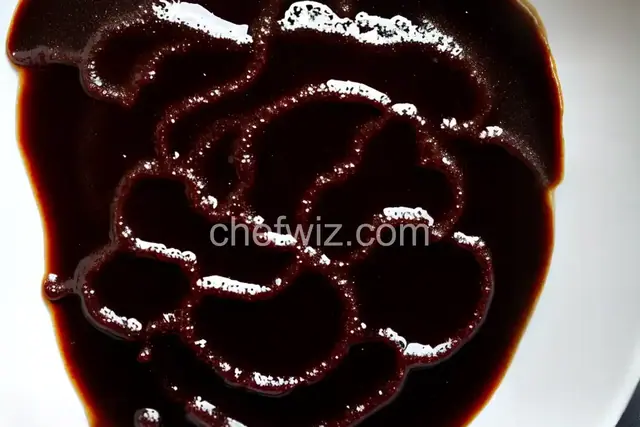
Have you ever wondered how to make that delicious, tangy balsamic glaze that you often find drizzled over salads, grilled vegetables, or even desserts? Look no further! In this article, we will explore the art of making homemade balsamic glaze, also known as balsamic reduction. It's surprisingly simple and requires just a few ingredients and a little bit of time. So, let's dive in and unlock the secrets to creating this versatile and mouthwatering condiment!
The Magic of Balsamic Glaze
Before we delve into the process of making balsamic glaze, let's take a moment to appreciate the magic it brings to our taste buds. Imagine a velvety smooth, slightly sweet, and tangy elixir that elevates the flavors of any dish it touches. That's balsamic glaze for you! It adds a depth of flavor and a touch of sophistication to both savory and sweet dishes, making them truly unforgettable.
The Elixir of Simplicity
Creating homemade balsamic glaze is a simple process that requires just two main ingredients: balsamic vinegar and a sweetener of your choice. By slowly simmering the vinegar, you allow it to reduce and thicken into a syrupy consistency, intensifying its flavors along the way. The sweetener helps balance out the acidity of the vinegar and adds a touch of sweetness to the glaze.
Choosing the Right Vinegar
When it comes to choosing the balsamic vinegar for your glaze, opt for a high-quality one. The better the vinegar, the more complex and rich the flavors will be. Look for aged balsamic vinegar, preferably one that has been aged for at least a few years. This will ensure a deeper, more robust taste in your glaze.
The Process Unveiled
Now that we understand the basic principles of balsamic glaze, let's walk through the process of making it step by step:
1Step 1Gather Your Ingredients
For this recipe, you will need:
- 1 cup balsamic vinegar
- 2 tablespoons of sweetener (such as honey, maple syrup, or brown sugar)
Make sure you have these ingredients ready before you begin.
2Step 2Simmer and Reduce
In a small saucepan, pour in the balsamic vinegar and add the sweetener of your choice. Stir gently to combine.
Place the saucepan on the stove over medium heat. Allow the mixture to come to a gentle boil, then reduce the heat to low. Let it simmer uncovered for about 15-20 minutes, or until the glaze has thickened to your desired consistency.
3Step 3The Glaze Test
To check if your glaze is ready, dip a spoon into the mixture and lift it up. If the glaze coats the back of the spoon and slowly drips off, it's done! If it's still too thin, continue simmering for a few more minutes until it reaches the desired consistency.
4Step 4Cool and Store
Once your glaze has reached the perfect consistency, remove it from the heat and let it cool for a few minutes. It will thicken slightly as it cools.
Transfer the glaze to a glass jar or airtight container. It can be stored in the refrigerator for up to a month, so you can enjoy its deliciousness anytime you want!
Frequently asked questions
- Q1: Can I use any type of vinegar to make balsamic glaze?
A1: While you can experiment with different types of vinegar, it's best to use balsamic vinegar for an authentic and traditional flavor.
- Q2: Is balsamic glaze the same as balsamic vinegar?
A2: Balsamic glaze is made by reducing balsamic vinegar, so it has a thicker consistency and enhanced flavors compared to regular balsamic vinegar.
- Q3: Can I use a different sweetener instead of honey?
A3: Absolutely! Feel free to use maple syrup, brown sugar, or any other sweetener of your choice.
- Q4: How long does it take for the glaze to cool down?
A4: The glaze will cool down within 10-15 minutes after removing it from the heat.
- Q5: Can I reheat the glaze if it becomes too thick?
A5: Yes, you can gently reheat the glaze on low heat and add a little warm water to thin it out if needed.
- Q6: Can I use balsamic glaze as a salad dressing?
A6: Absolutely! Balsamic glaze works wonderfully as a salad dressing, especially when combined with olive oil and other ingredients.
- Q7: Can I use balsamic glaze on desserts?
A7: Yes, balsamic glaze adds a delightful twist to desserts like strawberries, ice cream, and even chocolate cake!
- Q8: Can I make a larger batch of glaze and store it for a longer period?
A8: Yes, you can easily double or triple the recipe and store the glaze in the refrigerator for up to a month.
So there you have it! Making homemade balsamic glaze is as simple as simmering, reducing, and enjoying the fruits of your labor. Get creative and drizzle it over your favorite dishes, experiment with different flavors, and let your taste buds dance with joy!
Remember, balsamic glaze is a versatile condiment that adds a touch of magic to any meal. So why settle for store-bought when you can easily create your own homemade version? Give it a try and let the flavors of this delectable glaze take center stage in your culinary adventures!
 By AprilPublished