High-Altitude Challah
Rate this recipeBe the first to rate
 By AprilPublished
 Are you a baking enthusiast looking to perfect your challah recipe at high altitudes?
 By AprilPublished
 Are you a baking enthusiast looking to perfect your challah recipe at high altitudes?
In a measuring cup, combine warm water, 1/2 teaspoon of sugar, and yeast. Allow it to sit for 5 to 10 minutes until the yeast dissolves and starts to foam.
In a large bowl, beat 2 eggs. In a separate measuring cup, mix the egg yolks with enough milk to make a total of 1/3 cup. Add this mixture to the beaten eggs.
Stir in the yeast mixture, butter, salt, and remaining sugar into the egg mixture.
Gradually add flour to the mixture, stirring until the dough becomes firm enough to handle.
Knead the dough on a floured surface until it no longer sticks to your hands. You may need to use additional flour while kneading.
Place the dough into an oiled bowl, turning it to coat. Cover the bowl and let the dough rise until it doubles in size, approximately 1 hour.
Cut the dough into 3 or 4 even portions and roll each portion into a long rope.
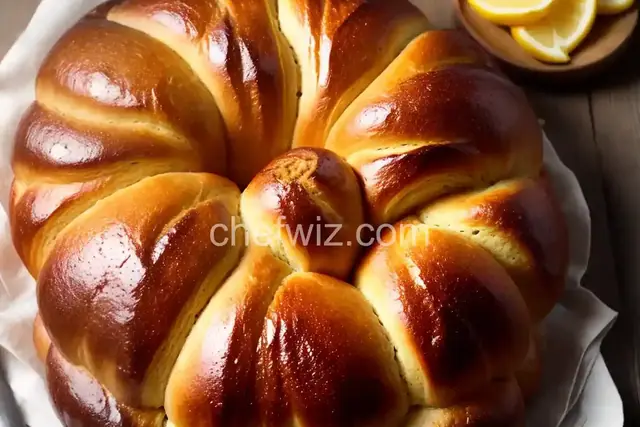
Braid the ropes together, tucking the ends under, and place the loaf on a baking sheet. Loosely cover the loaf with plastic wrap and let it rise in a warm place.
Preheat the oven to 350 degrees F (175 degrees C).
In a cup, whisk the remaining egg with a fork. Brush this mixture onto the loaf to give it a golden color
Are you a baking enthusiast looking to perfect your challah recipe at high altitudes? Baking at high altitudes can be quite challenging, but fear not! In this article, we will guide you through the process of baking a delicious and fluffy challah that will turn out perfectly every time, even at high altitudes.
Baking at high altitudes can be tricky due to the changes in atmospheric pressure and temperature. At higher elevations, there is less air pressure, which affects the rising process of the dough. The lower air pressure causes the dough to rise quicker, resulting in a lighter and less flavorful final product. Additionally, the drier climate at higher altitudes can cause the dough to dry out faster.
1. Adjust the yeast: Use slightly less yeast than the recipe calls for. This will help control the rising process and prevent the dough from overproofing.
2. Increase the liquid: Add a bit more liquid to the dough to compensate for the drier climate. This will help keep the dough hydrated and prevent it from drying out too quickly.
3. Decrease the sugar: Reduce the amount of sugar in the recipe. Sugar has a tendency to speed up fermentation, and at high altitudes, this can result in an overly risen and less flavorful challah.
4. Increase the baking temperature: Increase the oven temperature slightly to help the bread bake faster and develop a better crust.
5. Adjust the bake time: Keep a close eye on the challah while it's baking, as it may require less time in the oven than the recipe suggests. This will prevent the bread from becoming dry or overbaked.
Baking challah at high altitudes requires some trial and error. Each elevation is unique, and it may take a few attempts to find the perfect adjustments for your specific altitude. Don't be discouraged if your first few loaves don't turn out as expected. Keep experimenting and adapting the recipe until you achieve the desired results.
Baking challah at high altitudes may pose some challenges, but with the right adjustments and practice, you can achieve a delicious and fluffy loaf. Remember to adapt the recipe to your specific altitude, adjust yeast and liquid measurements, and keep an eye on the baking time. Enjoy the process and savor the delightful results of your high-altitude challah!
Yes, you can substitute instant yeast for active dry yeast. However, keep in mind that instant yeast may require slightly different measurements and proofing times.
Absolutely! High-altitude challah freezes well. Just make sure to wrap it tightly in plastic wrap and place it in an airtight container or freezer bag. Thaw it at room temperature when you're ready to enjoy it.
To achieve a shiny crust, you can brush the challah with an egg wash before baking. This will give it a beautiful golden sheen.
Of course! High-altitude challah can be customized with various flavors. You can add ingredients like chocolate chips, raisins, or herbs to enhance the taste and texture.
Yes, you can use a bread machine to make high-altitude challah. Follow your bread machine's instructions for the best results.
High-altitude challah stays fresh for about 2-3 days when stored in an airtight container at room temperature. You can also freeze it for longer storage.
Yes, you can make high-altitude challah without eggs. There are various egg substitutes available, such as applesauce, mashed bananas, or flaxseed meal mixed with water.
Absolutely! You can use whole wheat flour for high-altitude challah. Keep in mind that whole wheat flour absorbs more liquid than all-purpose flour, so you may need to adjust the liquid measurements accordingly.
AprilCook, recipe developer and the heart of Chefwiz. More about April