Hibachi Steak
Rate this recipeBe the first to rate
 By AprilPublished
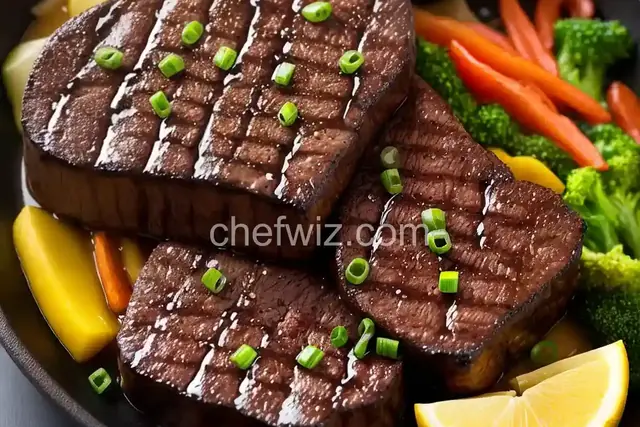
 Have you ever experienced that mouthwatering moment when a sizzling plate of perfectly cooked steak is placed in front of you?
 By AprilPublished
 Have you ever experienced that mouthwatering moment when a sizzling plate of perfectly cooked steak is placed in front of you?
Heat a large skillet over medium-high heat and add half of the oil.
Once the oil is hot, add the vegetables and stir-fry them until they are almost cooked, approximately 5 minutes.
Meanwhile, heat a second skillet over high heat and add the remaining oil.
Cut the steak into small cubes and stir-fry them in the second skillet until they are browned on all sides, which should take about 4 to 5 minutes.
In a large pot, bring salted water to a boil over medium heat.
Separate the egg roll wrappers into two piles and roll each pile into a log shape.
Slice the logs into thin strips, about 1/4-inch thick, and separate them into individual noodles.
Place half of the noodles into the boiling water and cook for 3 minutes.
Drain the cooked noodles and transfer them to a serving bowl or platter. Save the remaining noodles for another recipe.
In a small bowl, combine the soy sauce, vinegar, garlic, and cornstarch. Set this mixture aside.
Add the cooked steak, along with any juices, to the skillet with the vegetables.
Stir the cornstarch mixture into the vegetables and cook until the sauce thickens, which should take about 2 to 3 minutes.
Stir in the butter. Save 2 cups of this mixture for another recipe.
Pour the steak
Have you ever experienced that mouthwatering moment when a sizzling plate of perfectly cooked steak is placed in front of you? The aroma, the sound, the anticipation - it's a sensory overload that excites the taste buds. Hibachi steak, a popular Japanese dish, is a true delight for meat lovers. In this article, we will explore the magic behind hibachi steak and why it has captured the hearts (and stomachs) of people around the world.
Hibachi cooking is an art form that combines culinary skills with a captivating performance. The word "hibachi" refers to a traditional Japanese charcoal grill, which is used to cook a variety of ingredients, including steak. What sets hibachi steak apart is the unique combination of flavors and textures that are created through the skilled manipulation of the grill.
When the hibachi grill is fired up, the flames dance and roar, creating a spectacle that is as visually stunning as it is delicious. The searing heat of the grill quickly locks in the juices of the steak, resulting in a tender and juicy piece of meat. The caramelization of the steak's surface adds a delightful charred flavor that complements the natural richness of the beef.
One of the most captivating aspects of hibachi cooking is the interactive dining experience it offers. At a hibachi restaurant, skilled chefs perform mesmerizing tricks and techniques while cooking your meal right in front of you. The sizzle of the steak hitting the grill, the expert knife skills, and the flipping of the ingredients - it's like a culinary ballet that keeps you engaged and entertained throughout the meal.
To create a truly exceptional hibachi steak, quality ingredients are key. The cut of beef used can vary, but it is typically a tender and well-marbled piece, such as ribeye or filet mignon. The chef's choice of seasonings, sauces, and vegetables also play a crucial role in enhancing the flavor profile of the dish.
The hibachi chef's knife skills are a sight to behold. With precision and dexterity, they expertly slice, dice, and chop the ingredients with lightning speed. This not only ensures even cooking but also adds an element of showmanship to the dining experience.
The true art of hibachi steak lies in the delicate balance of flavors. The chef carefully seasons the meat with a combination of soy sauce, garlic, ginger, and other secret ingredients. The umami-rich flavors of the sauce complement the natural beefiness of the steak, creating a harmonious taste sensation with every bite.
Hibachi steak is not just a dish; it's an experience. The combination of skillful cooking, interactive dining, and tantalizing flavors make it a favorite among meat lovers. Whether you're dining at a hibachi restaurant or recreating the experience at home, hibachi steak is sure to satisfy your cravings for a sizzling and succulent meal. So, the next time you're in the mood for a culinary adventure, treat yourself to the sizzle and delight of hibachi steak.
The best cut of beef for hibachi steak depends on personal preference. Ribeye and filet mignon are popular choices due to their tenderness and marbling.
Yes, you can request the level of doneness for your hibachi steak. Whether you prefer rare, medium-rare, medium, or well-done, the chef will accommodate your preference.
Hibachi steaks can be made gluten-free by using gluten-free soy sauce and ensuring that the seasonings and sauces used do not contain any gluten-based ingredients.
While hibachi steak is traditionally cooked on a charcoal grill, it is possible to recreate the flavors and experience at home using a stovetop griddle or a cast-iron skillet.
Common side dishes to accompany hibachi steak include fried rice, stir-fried vegetables, miso soup, and a variety of dipping sauces.
Hibachi steak can be a healthy choice when prepared with lean cuts of beef and a variety of vegetables. However, it's important to moderate portion sizes and be mindful of the sauces and seasonings used.
Yes, most hibachi restaurants offer vegetarian options, such as tofu, grilled vegetables, and vegetable fried rice.
Hibachi steak can be enjoyed by individuals with dietary restrictions by communicating their specific needs to the chef. Many hibachi restaurants are accommodating and can make adjustments to suit various dietary requirements.
AprilCook, recipe developer and the heart of Chefwiz. More about April