Herbed Prime Rib Roast with Red Wine Sauce
Rate this recipeBe the first to rate
 By AprilPublished
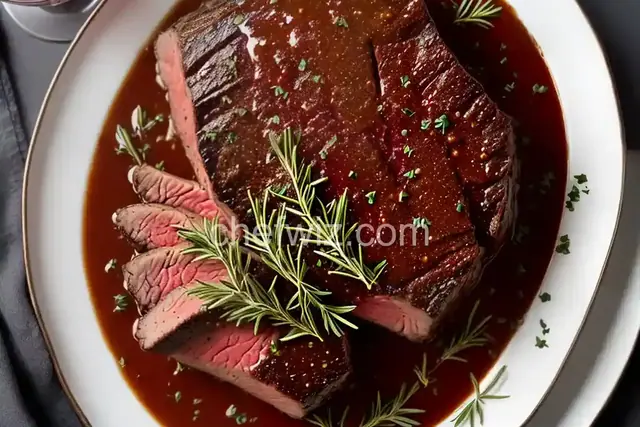
 When it comes to a show-stopping centerpiece for a special occasion, few dishes can rival the grandeur of a perfectly cooked prime rib roast.
 By AprilPublished
 When it comes to a show-stopping centerpiece for a special occasion, few dishes can rival the grandeur of a perfectly cooked prime rib roast.
Place a Reynolds® Oven Bag in a roasting pan that is at least 2 inches deep.
In the bag, combine wine, shallot, olive oil, Worcestershire sauce, garlic, flour, rosemary, sage, thyme, salt, and black pepper. Gently knead to mix the ingredients.
Add the beef rib roast to the bag and close it with the tie that is included in the package.
Marinate the roast in the refrigerator for 6 to 24 hours, turning the bag occasionally.
Preheat the oven to 325 degrees F.
Cut six 1/2-inch slits in the top of the bag to allow steam to escape. Insert an oven-safe meat thermometer through one of the slits into the center of the roast, making sure it does not touch the bone. Tuck the ends of the bag into the pan.
Place the pan in the oven, leaving enough space for the bag to expand during cooking without touching the heating elements, wall, or racks. The bag should not hang over the pan.
Roast the meat until it reaches the desired doneness. For medium rare, it should take 1 3/4 to 2 1/4 hours (the internal temperature should be 135 degrees F), and for medium, it should take 2 1/4 to 2 3/4 hours (the internal temperature should be
When it comes to a show-stopping centerpiece for a special occasion, few dishes can rival the grandeur of a perfectly cooked prime rib roast. The tender, juicy meat, infused with aromatic herbs and served with a rich red wine sauce, is sure to impress even the most discerning palates. In this article, we will explore the art of preparing a delectable herbed prime rib roast and the secrets to making a mouthwatering red wine sauce that complements the meat perfectly.
Before diving into the cooking process, it's essential to select the right cut of meat for your prime rib roast. Look for a well-marbled, bone-in roast to ensure maximum tenderness and flavor. The bone not only adds flavor but also helps to keep the meat moist during cooking.
One of the secrets to a delicious prime rib roast is a flavorful herb rub that infuses the meat with aromatic goodness. Create a mixture of fresh herbs such as rosemary, thyme, and garlic, along with salt, pepper, and a touch of olive oil. Rub this mixture all over the roast, making sure to evenly coat every inch of the meat.
For a tender and juicy prime rib roast, slow roasting is the way to go. Preheat your oven to a low temperature, around 275°F (135°C), and place the roast on a rack in a roasting pan. Cook the roast for several hours, depending on the size of the cut, until it reaches your desired level of doneness.
No prime rib roast is complete without a luscious red wine sauce to accompany it. While the roast is resting, take the pan drippings and deglaze the roasting pan with a splash of red wine. Simmer the mixture until it reduces and thickens, then strain it to remove any solids. The resulting sauce will be rich, savory, and the perfect complement to the succulent meat.
The cooking time for a prime rib roast depends on its size and desired level of doneness. As a general guideline, plan for about 15 minutes of cooking time per pound for a roast cooked at 275°F (135°C). Use a meat thermometer to ensure the roast reaches an internal temperature of 135°F (57°C) for medium-rare.
While fresh herbs provide the best flavor, you can substitute dried herbs if necessary. Keep in mind that dried herbs are more concentrated, so use about half the amount called for in the recipe.
Yes, it's crucial to let the roast rest for at least 15-20 minutes before carving. This allows the juices to redistribute throughout the meat, resulting in a more tender and flavorful roast.
While red wine is the traditional choice for the sauce, you can experiment with different types of wine to suit your taste. Just keep in mind that the flavor profile of the wine will affect the overall taste of the sauce.
Using a meat thermometer is the most accurate way to determine the doneness of a prime rib roast. For medium-rare, the internal temperature should read 135°F (57°C), while medium is around 145°F (63°C).
While it's best to cook the roast on the day of serving for optimal flavor and texture, you can prepare the herb rub and refrigerate the roast overnight. Just make sure to bring the roast to room temperature before cooking.
A prime rib roast pairs beautifully with a variety of side dishes. Traditional accompaniments include creamy mashed potatoes, roasted vegetables, Yorkshire pudding, and a fresh green salad.
Yes, you can freeze leftovers from a prime rib roast. Slice the meat into portions and wrap tightly in plastic wrap or foil before placing them in a freezer-safe container. Frozen leftovers can be reheated in the oven or stovetop for future enjoyment.
In conclusion, mastering the art of preparing a herbed prime rib roast with a delectable red wine sauce is a surefire way to impress your guests and create a memorable dining experience. With a little patience and attention to detail, you can achieve a perfectly cooked roast that will have everyone coming back for seconds. So, why not elevate your next special occasion with this classic and flavorful dish?
AprilCook, recipe developer and the heart of Chefwiz. More about April