Healing Pumpkin Seeds
Rate this recipeBe the first to rate
 By AprilPublished
 Did you know that pumpkin seeds are not just a tasty snack, but also a powerhouse of health benefits?
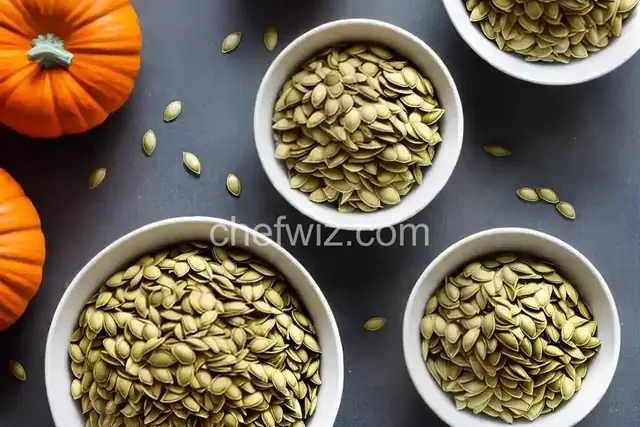 By AprilPublished
 Did you know that pumpkin seeds are not just a tasty snack, but also a powerhouse of health benefits?
Preheat the oven to 300 degrees F (150 degrees C).
Prepare a baking sheet by lining it with parchment paper.
In a small bowl, combine coconut oil, turmeric, black pepper, cayenne pepper, and ginger.
Place pumpkin seeds in a separate bowl.
Pour the coconut oil mixture over the pumpkin seeds and mix well to ensure all seeds are coated.
Spread the coated pumpkin seeds evenly on the prepared baking sheet.
If there is any remaining oil, drizzle it over the seeds.
Bake in the preheated oven for approximately 15 minutes, or until the seeds turn lightly golden.
Turn off the oven.
Stir the seeds to flip them over.
Leave the seeds inside the oven as it cools.
Did you know that pumpkin seeds are not just a tasty snack, but also a powerhouse of health benefits? These tiny seeds are packed with essential nutrients that can improve your overall well-being. So, if you're ready to uncover the healing properties of pumpkin seeds, keep reading!
Pumpkin seeds are rich in magnesium, iron, zinc, and protein, making them a nutrient-dense food. Just a handful of these seeds can provide you with a significant amount of your daily recommended intake of these essential nutrients. Magnesium, for example, is involved in over 300 biochemical reactions in the body, including energy production and muscle function.
Not only are pumpkin seeds rich in nutrients, but they also contain powerful antioxidants like vitamin E and phenolic acids. These antioxidants help protect your cells from damage caused by free radicals, reducing your risk of chronic diseases such as heart disease and certain types of cancer.
Yes, they can! Pumpkin seeds contain an amino acid called tryptophan, which is necessary for the production of serotonin in the brain. Serotonin is a neurotransmitter that regulates mood, sleep, and appetite. By including pumpkin seeds in your diet, you can potentially boost your serotonin levels and improve your overall mood.
Pumpkin seeds are a heart-healthy snack. They are rich in monounsaturated and polyunsaturated fats, which are known to reduce bad cholesterol levels and promote heart health. Additionally, the high levels of magnesium and antioxidants in pumpkin seeds can help lower blood pressure and reduce inflammation, further protecting your cardiovascular system.
Absolutely! Pumpkin seeds are a great source of dietary fiber, which aids in healthy digestion. Fiber adds bulk to your stool and helps prevent constipation. It also feeds the beneficial bacteria in your gut, promoting a healthy gut microbiome and improving overall digestive health.
Yes, they do! Pumpkin seeds contain various antioxidants and phytochemicals that have anti-inflammatory properties. These compounds can help reduce inflammation in the body, which is often linked to chronic diseases such as arthritis, heart disease, and certain types of cancer. Including pumpkin seeds in your diet may help alleviate inflammation and its associated symptoms.
Pumpkin seeds are rich in zinc, a mineral that plays a vital role in immune function. Zinc helps your immune system fight off infections and supports the growth and development of immune cells. By incorporating pumpkin seeds into your diet, you can give your immune system a natural boost.
While pumpkin seeds are not a magic weight loss solution, they can certainly be a valuable addition to a balanced diet. These seeds are rich in protein and fiber, both of which can promote feelings of fullness and help control your appetite. By including pumpkin seeds in your meals or snacks, you may feel more satisfied and less likely to overeat.
Pumpkin seeds are incredibly versatile and can be enjoyed in various ways. You can eat them raw or roasted as a snack, sprinkle them on salads or soups for added crunch, or blend them into smoothies for an extra nutritional boost. Experiment with different recipes and find creative ways to incorporate these healing seeds into your daily meals.
Pumpkin seeds are generally safe to eat for most people. However, some individuals may experience an allergic reaction to these seeds. If you notice any adverse symptoms such as itching, swelling, or difficulty breathing after consuming pumpkin seeds, it's best to consult with a healthcare professional.
Pumpkin seeds are more than just a delicious snack. They offer a wide range of health benefits, from improving heart health and digestion to boosting your mood and immune system. By incorporating these healing seeds into your diet, you can nourish your body with essential nutrients and support your overall well-being. So, why not start enjoying the incredible healing power of pumpkin seeds today?
A1: Absolutely! Pumpkin seeds are a nutritious snack for pregnant women. They provide essential nutrients like iron and magnesium, which are crucial during pregnancy.
A2: While roasting pumpkin seeds can slightly reduce their nutrient content, they are still a healthy snack choice. Just be mindful of the amount of oil and salt used during the roasting process.
A3: Pumpkin seeds contain nutrients like zinc and vitamin E, which are beneficial for hair health. Including them in your diet may support healthy hair growth.
A4: Pumpkin seeds contain a small amount of omega-3 fatty acids, but they are not as concentrated as in fatty fish like salmon. However, they still offer many other health benefits.
A5: Yes, pumpkin seeds are a good source of magnesium, which is important for bone health. Including them in your diet may contribute to the prevention of osteoporosis.
A6: Yes, pumpkin seeds are plant-based and can be enjoyed as part of a vegan or vegetarian diet. They provide valuable nutrients often lacking in plant-based diets, such as iron and zinc.
A7: Pumpkin seeds are low in carbohydrates and contain fiber, protein, and healthy fats, which can help stabilize blood sugar levels. However, moderation is key.
A8: Some studies suggest that pumpkin seeds may help alleviate symptoms like hot flashes and joint pain commonly experienced during menopause. However, further research is needed.
AprilCook, recipe developer and the heart of Chefwiz. More about April