Hawaiian Shoyu Musubi
Rate this recipeBe the first to rate
 By AprilPublished
 Have you ever tried the deliciousness that is Hawaiian Shoyu Musubi?
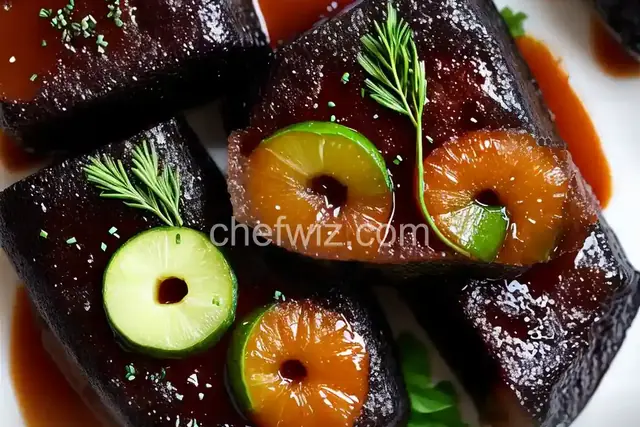 By AprilPublished
 Have you ever tried the deliciousness that is Hawaiian Shoyu Musubi?
Cut the Spam into 6 slices and pat them dry with paper towels.
Wash and dry the Spam can, then line the inside with a sheet of plastic wrap.
In a small bowl, whisk together the soy sauce and brown sugar.
Heat the oil in a large skillet over medium-high heat.
Add the Spam slices to the skillet and cook for about 3 minutes per side, until they are evenly brown and crispy. Flip them once during cooking.
Reduce the heat to medium and add the soy sauce mixture to the skillet. Make sure to scrape in all of the sugar. Quickly flip the Spam slices to coat them with the sauce.
Turn off the heat and leave the Spam in the skillet to continue absorbing the sauce as it cools.
Add 3 tablespoons of rice to the Spam can, dipping the tablespoon measure in cold water as needed to prevent sticking. Use the back of the tablespoon to pack the rice into a level, compact layer.
Top the rice with a generous pinch of furikake and a slice of Spam.
Add 3 more tablespoons of rice and pack it into an even layer.
Grasp the plastic wrap to lift the rice-Spam stack out of the can.
Place a sheet of nori on a clean work surface with the rough-side facing up.
Transfer the rice-Spam stack to the center of the nori so that its
Have you ever tried the deliciousness that is Hawaiian Shoyu Musubi? If not, you're in for a treat! This popular Hawaiian snack combines the flavors of soy sauce and grilled Spam, all wrapped up in a neat little package. It's like a sushi roll, but with a unique twist.
Shoyu Musubi is a popular snack in Hawaii that originated from the Japanese dish called Onigiri. It consists of a block of rice topped with a slice of grilled Spam and then wrapped in a strip of nori seaweed. The real secret to its deliciousness lies in the marinade for the Spam, which is made with soy sauce, sugar, and other savory ingredients.
The name "Shoyu" in Shoyu Musubi refers to the soy sauce used in the marinade for the Spam. "Musubi" means "to wrap" or "to tie" in Japanese, which perfectly describes the process of wrapping the rice and Spam in nori seaweed.
Making Hawaiian Shoyu Musubi is quite simple. All you need are a few basic ingredients and some kitchen tools. First, cook some sushi rice according to the package instructions. While the rice is cooking, prepare the marinade for the Spam by combining soy sauce, sugar, garlic, and ginger in a bowl. Then, grill the Spam slices until they are nicely browned and caramelized.
Now comes the fun part - assembling the Musubi! Start by placing a sheet of plastic wrap on a Musubi mold or a clean surface. Place a strip of nori seaweed on top of the plastic wrap, and then scoop a small amount of cooked rice into the mold. Press the rice down firmly, and then remove the mold. Next, place a slice of grilled Spam on top of the rice, and wrap the nori seaweed tightly around the rice and Spam.
While the classic Shoyu Musubi is made with rice, Spam, and nori seaweed, you can get creative and add your own twist to the recipe. Some popular variations include adding a slice of omelet or avocado to the Musubi. You can also experiment with different types of marinades for the Spam, such as teriyaki or sweet chili sauce.
If you're lucky enough to be in Hawaii, you can find Shoyu Musubi at local convenience stores, food trucks, and even some restaurants. It's a popular snack among locals and visitors alike. But don't worry if you're not in Hawaii - you can easily make it at home and enjoy the flavors of the islands wherever you are!
Shoyu Musubi is not only delicious but also portable. Its compact size makes it the perfect snack to take with you on a hike, to the beach, or even to work. It's a filling and satisfying treat that will keep you going throughout the day.
Hawaiian Shoyu Musubi is a delectable snack that combines the flavors of soy sauce, grilled Spam, and nori seaweed. It's a unique twist on the traditional Japanese Onigiri and has become a beloved treat in Hawaii. Whether you're on the islands or far away, you can easily make this delicious snack at home and enjoy the taste of Hawaii.
Yes, you can definitely use a different protein of your choice. Grilled chicken, teriyaki beef, or even tofu can be great alternatives to Spam.
Absolutely! You can skip the meat altogether and use grilled vegetables or marinated tofu instead.
Yes, you can store Shoyu Musubi in an airtight container in the refrigerator for up to two days. Just make sure to wrap each Musubi individually in plastic wrap to keep them fresh.
While it's not recommended to freeze Shoyu Musubi, you can freeze the grilled Spam slices separately and assemble the Musubi when needed. This way, you can enjoy the flavors of Shoyu Musubi anytime.
Yes, you can use brown rice instead of sushi rice for a healthier option. Just make sure to cook the brown rice according to its package instructions before assembling the Musubi.
No, Shoyu Musubi is not gluten-free as it contains soy sauce, which is typically made from wheat. However, you can look for gluten-free soy sauce alternatives to make a gluten-free version of Shoyu Musubi.
While sushi rice is traditionally used for Shoyu Musubi, you can experiment with other types of rice, such as jasmine or basmati, to add a unique flavor profile to your Musubi.
Yes, you can make Shoyu Musubi in advance for a party. Just make sure to assemble the Musubi close to the serving time to keep the nori seaweed crispy.
AprilCook, recipe developer and the heart of Chefwiz. More about April