Who doesn't love a plate of delicious hash browns? The crispy exterior, the soft and fluffy interior, and the endless possibilities for customization. One of the most popular ways to enjoy hash browns is "scattered, smothered, and covered". But what does that mean? In this article, we'll explore the origins of this mouthwatering dish and uncover the secrets to making the perfect hash browns. So grab your spatula and let's dive in!
The Origins of "Scattered, Smothered, and Covered"
Hash browns have a rich history that dates back centuries. Originally, they were a way to use up leftover potatoes, creating a simple and satisfying dish. Over time, hash browns evolved and became a beloved breakfast staple.
The term "scattered, smothered, and covered" gained popularity in the southern United States, particularly at a famous diner chain. It refers to the method of preparing hash browns by scattering them on the griddle, then smothering them with onions and finally covering them with melted cheese.
Making the Perfect Hash Browns
Creating the perfect hash browns requires a few key steps. First, you'll need to start with the right potatoes. Russet potatoes are a popular choice due to their high starch content, which helps achieve that crispy exterior and fluffy interior.
After peeling and grating the potatoes, it's important to remove excess moisture. This can be done by squeezing the grated potatoes in a clean kitchen towel or using a potato ricer.
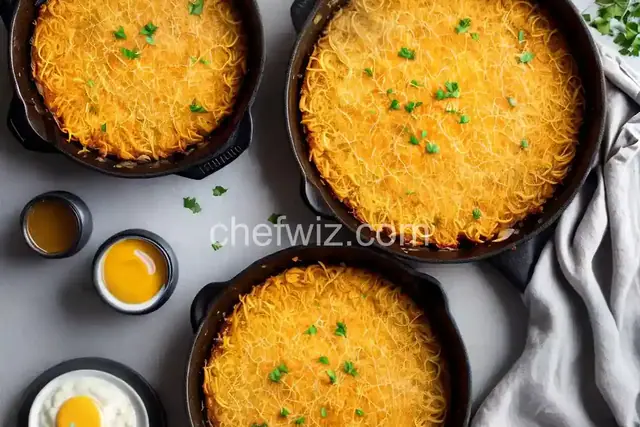
Once the excess moisture is removed, it's time to cook the hash browns. Heat a skillet or griddle over medium-high heat and add a generous amount of oil or butter. Spread the grated potatoes evenly on the cooking surface, pressing them down gently to form a cohesive layer.
Cook the hash browns for a few minutes until they develop a golden brown crust. Flip them using a spatula and continue cooking until the other side is equally crispy and browned.
Customizing Your Hash Browns
Now that you have the basic technique down, it's time to get creative with your hash browns. "Scattered, smothered, and covered" is just the beginning!
Consider adding additional toppings such as crispy bacon, diced ham, or sautéed vegetables. You can also experiment with different types of cheese, from gooey melted cheddar to tangy feta.
For a spicy kick, sprinkle some hot sauce or diced jalapeños on top. And if you're feeling particularly indulgent, why not top your hash browns with a fried egg or two?
Frequently asked questions
- . Can I use sweet potatoes instead of russet potatoes?
Absolutely! Sweet potatoes can be a delicious and nutritious alternative to russet potatoes. They have a slightly different texture and flavor, but they work just as well for making hash browns.
- . What are some vegan options for "smothered" and "covered"?
If you're following a vegan diet, you can still enjoy "scattered, smothered, and covered" hash browns. Instead of cheese, you can use dairy-free alternatives like vegan cheese or nutritional yeast for a cheesy flavor. For the "smothered" component, sautéed mushrooms or caramelized onions can add rich and savory flavors.
- . Can I make hash browns ahead of time?
Absolutely! If you want to save time in the morning, you can prepare the grated potatoes ahead of time and store them in cold water in the refrigerator. When you're ready to cook, simply drain and squeeze out the excess moisture. This will help the hash browns retain their texture and prevent them from turning brown.
- . Are there any gluten-free options for "scattered, smothered, and covered" hash browns?
Yes, there are plenty of gluten-free options for this delicious dish. Instead of using regular flour to bind the grated potatoes, you can use gluten-free flour alternatives such as almond flour or cornstarch.
- . Can I make hash browns in the oven?
While the traditional method for making hash browns is on the stovetop, you can also make them in the oven. Simply spread the grated potatoes on a baking sheet lined with parchment paper, drizzle with oil, and bake at a high temperature until crispy and golden brown.
- . Can I freeze leftover hash browns?
Absolutely! If you have leftover hash browns, you can freeze them for later use. Place them in an airtight container or freezer bag and store in the freezer for up to 3 months. When you're ready to enjoy them, simply reheat them in a skillet or oven until they're crispy and heated through.
- . What are some alternative seasonings for hash browns?
While salt and pepper are the classic seasonings for hash browns, you can get creative with different flavors. Consider adding smoked paprika, garlic powder, or even a sprinkle of cayenne pepper for a spicy kick.
- . Can I use frozen hash browns instead of making them from scratch?
Yes, using frozen hash browns can be a convenient option when you're short on time. Simply follow the instructions on the package for cooking them on the stovetop or in the oven. However, making hash browns from scratch allows for more customization and control over the final result.
In conclusion, hash browns "scattered, smothered, and covered" are a delicious and customizable breakfast treat. Whether you choose to stick with the classic combination of onions and cheese or get creative with your toppings, there's no denying the appeal of a plate of perfectly cooked hash browns. So next time you're in the mood for a hearty breakfast, why not give this iconic dish a try?
 By AprilPublished