harvest potatoes
Rate this recipeBe the first to rate
 By AprilPublished
 Potatoes are a versatile and delicious staple in many cuisines around the world.
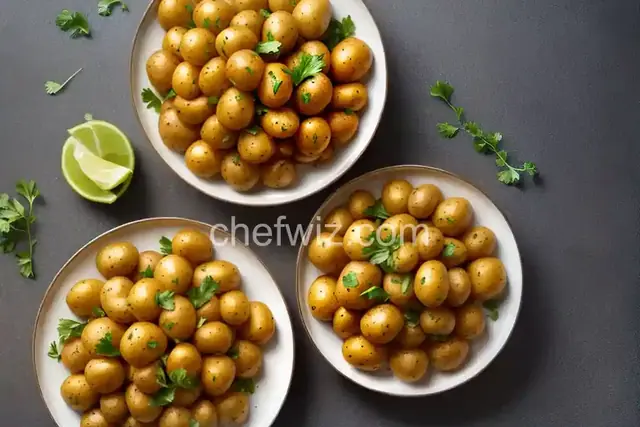 By AprilPublished
 Potatoes are a versatile and delicious staple in many cuisines around the world.
Preheat the oven to 350�.
Use non-stick cooking spray to coat a 13 x 9 casserole dish.
In a skillet, melt the butter and add the onion. Cook until the onion is translucent.
In a large mixing bowl, combine the potatoes, cheese, sour cream, and soup. Mix well, then add the melted butter/onion mixture. Stir until well-combined.
Pour the mixture into the greased casserole dish and spread it evenly.
Place the skillet back on the burner and melt the other stick of butter.
Crush the cornflakes in a zip lock bag, then add them to the melted butter. Stir well.
Sprinkle the cornflake mixture on top of the potato mixture in the casserole dish.
Bake in the oven for 45 minutes or until bubbly.
Remove from the oven and let it cool for a few minutes before serving.
Potatoes are a versatile and delicious staple in many cuisines around the world. Whether you prefer them mashed, roasted, or fried, there's no denying the satisfaction of digging up your own homegrown potatoes. In this article, we'll explore some tips and techniques to help you have a bountiful potato harvest.
Just like there are different varieties of apples, there are also various types of potatoes. Some are better suited for baking, while others are perfect for frying. Before you start planting, consider your culinary preferences and choose the varieties that best align with your taste buds.
Before you can plant your potatoes, you need to prepare the soil. Potatoes prefer well-draining soil that is rich in organic matter. Start by removing any weeds or grass from the area where you plan to plant. Then, loosen the soil with a garden fork or tiller to a depth of about 8 inches. This will help the roots penetrate the soil easily and promote healthy growth.
Once your soil is ready, it's time to plant the potatoes. Cut your seed potatoes into chunks, making sure each piece has at least one "eye" or bud. Plant the chunks about 4 inches deep and 12 inches apart, with the eyes facing up. Cover the potatoes with soil and gently pat it down to ensure good soil-to-potato contact.
As your potato plants grow, it's important to provide them with proper care to ensure a successful harvest. Here are a few tips to keep in mind:
Potatoes need consistent moisture, especially during the growing season. Aim to keep the soil evenly moist but not waterlogged. Overwatering can lead to rot and disease, while underwatering can result in small, misshapen potatoes.
Regular fertilization is essential for healthy potato plants. Start by incorporating compost or well-rotted manure into the soil before planting. Then, apply a balanced organic fertilizer once the plants start to grow. This will provide the necessary nutrients for vigorous growth and a plentiful harvest.
One of the most exciting parts of growing potatoes is harvesting them. But how do you know when they're ready? Generally, potatoes are ready to be harvested when the plants start to die back and the leaves turn yellow. Gently dig around the base of the plant to check the size and maturity of the potatoes. If they're the desired size and the skins are firm, it's time to harvest.
After you've harvested your potatoes, it's important to store them properly to extend their shelf life. Store them in a cool, dark place with good ventilation. Avoid storing them near onions or other fruits and vegetables that release ethylene gas, as this can cause your potatoes to spoil faster.
Growing your own potatoes can be a rewarding and fulfilling experience. By choosing the right varieties, preparing the soil, providing proper care, and knowing when to harvest, you can enjoy a bountiful crop of delicious spuds. Whether you're a seasoned gardener or a novice, give potato cultivation a try and savor the joy of harvesting your own homegrown potatoes!
Yes, you can grow potatoes in containers. Make sure the container is large enough to accommodate the growing plants and provide proper drainage.
The time it takes for potatoes to grow depends on the variety and growing conditions. On average, it takes about 70-120 days from planting to harvest.
It's generally recommended to use fresh, certified seed potatoes each year to ensure disease-free plants and a good harvest.
It's best to avoid eating potatoes with green skin, as it indicates the presence of a toxic compound called solanine. Cut away the green parts before consuming.
Yes, you can plant sprouted potatoes. Each sprout can be cut into pieces and planted separately to grow new plants.
To protect your potatoes from pests, consider using row covers, planting companion plants like marigolds, and practicing crop rotation.
Yes, you can harvest baby potatoes by gently digging around the base of the plant and removing the small tubers. These are delicious in salads or as a side dish.
Potato leaves are not typically consumed, as they contain higher levels of solanine. Stick to enjoying the delicious tubers instead!
AprilCook, recipe developer and the heart of Chefwiz. More about April