Harira
Rate this recipeBe the first to rate
 By AprilPublished
 When it comes to Moroccan cuisine, one dish that stands out for its rich flavors and cultural significance is Harira.
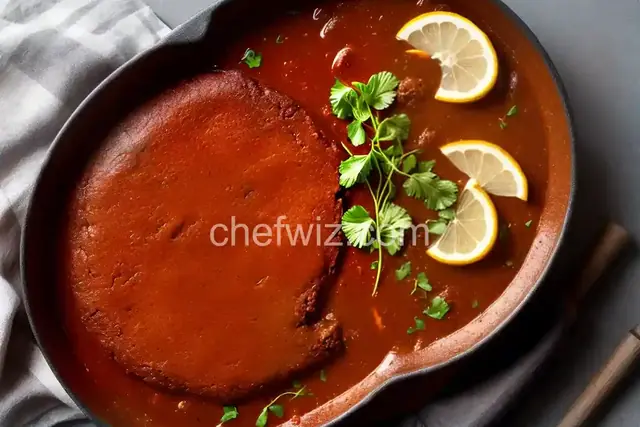 By AprilPublished
 When it comes to Moroccan cuisine, one dish that stands out for its rich flavors and cultural significance is Harira.
In a large soup pot over low heat, combine the lamb, turmeric, black pepper, cinnamon, ginger, cayenne, butter, celery, onion, and cilantro. Stir frequently for 5 minutes.
Add the tomatoes (reserving the juice) to the mixture and simmer for 15 minutes.
Pour the reserved tomato juice, 7 cups of water, and lentils into the pot. Bring the mixture to a boil, then reduce the heat and simmer. Cover the pot and let the soup simmer for 2 hours.
About 10 minutes before serving, increase the heat to medium-high and add the chickpeas and noodles to the soup. Cook for approximately 10 minutes or until the noodles are al dente.
Stir in lemon juice and eggs, allowing the eggs to cook for 1 minute.
When it comes to Moroccan cuisine, one dish that stands out for its rich flavors and cultural significance is Harira. But what exactly is Harira? Imagine a warm, hearty soup that takes you on a culinary journey through the bustling streets of Marrakech, with its vibrant spices and fragrant aromas. This traditional Moroccan soup is not only a staple during Ramadan but also a beloved comfort food that brings families together.
Harira has a fascinating history that reflects the multicultural influences of Morocco. It is believed to have originated in the 9th century, during the reign of the Fatimid Caliphate. Over the centuries, Harira has evolved and adapted to include various ingredients and cooking techniques from different regions of Morocco.
The beauty of Harira lies in its diverse flavors and textures. Each spoonful tells a story of carefully selected ingredients that harmonize to create a symphony of taste. From the earthy sweetness of tomatoes to the earthy richness of lentils and chickpeas, every bite is a delight.
Preparing Harira is like taking a trip to the vibrant spice bazaars of Morocco. The soup is infused with a blend of spices that adds depth and complexity to the dish. From the warm aroma of cinnamon to the zesty kick of ginger and turmeric, each spice brings its unique charm to the pot.
Harira is not just a soup; it's a cultural experience. In Morocco, it is traditionally served to break the fast during Ramadan. The soup is often accompanied by dates and a variety of traditional Moroccan bread. The act of sharing a bowl of Harira with loved ones fosters a sense of community and togetherness.
Harira is not only a delicious and comforting dish but also a nourishing one. Packed with protein from the lentils and chickpeas, it provides a sustainable source of energy. The combination of vegetables and spices adds a nutritional boost, making it a wholesome choice for any time of the year.
In Moroccan culture, hospitality is highly valued, and Harira exemplifies this. It is often served to guests as a gesture of warm welcome and hospitality. The aromatic flavors and warm embrace of Harira make it a symbol of Moroccan generosity and kindness.
While Harira is traditionally enjoyed during Ramadan, it is not limited to this time of the year. Moroccan households savor this soup throughout the year, adapting it to suit different occasions and preferences. Whether it's a cozy winter evening or a festive gathering, Harira adds a touch of Moroccan magic to the table.
Just as Moroccan cuisine is known for its diverse influences, Harira has its own regional variations. Some recipes include the addition of lamb or beef, while others focus on the vegetarian elements. Modern twists on Harira can incorporate ingredients like quinoa or even seafood, showcasing the adaptability of this beloved dish.
As Moroccan cuisine gains popularity around the world, Harira is finding its place on international menus. From upscale restaurants to cozy cafes, the flavors of Harira are delighting taste buds far beyond the borders of Morocco. It has become a symbol of the rich culinary heritage that Morocco has to offer.
Harira is more than just a soup; it's a sensory journey that captures the essence of Moroccan cuisine. Its flavors, traditions, and nourishing qualities make it a culinary treasure worth exploring. So, the next time you crave a taste of Morocco, indulge in a steaming bowl of Harira and let its warmth transport you to the vibrant streets of this enchanting country.
No, Harira can be prepared with or without meat. Vegetarian versions often include lentils and chickpeas as the main protein sources.
Harira is typically seasoned with a blend of spices such as cinnamon, ginger, turmeric, and paprika.
Yes, Harira can be frozen for future consumption. Just make sure to cool it down completely before transferring it to a freezer-safe container.
Harira is traditionally served with dates and a variety of Moroccan bread, such as Khobz.
Absolutely! Harira is a versatile dish, and you can add or substitute ingredients based on your preferences and dietary restrictions.
While Harira doesn't contain gluten inherently, some variations may include ingredients like wheat flour. It's best to check the recipe or inquire about the ingredients if you have gluten sensitivities.
The cooking time for Harira can vary depending on the recipe and the desired consistency. On average, it takes about 1-2 hours to prepare.
Yes, as the popularity of Moroccan cuisine grows, Harira can be found in Moroccan restaurants around the world. You may also find variations of Harira in other North African countries.
AprilCook, recipe developer and the heart of Chefwiz. More about April