Happy Shrimp
Rate this recipeBe the first to rate
 By AprilPublished
 Have you ever wondered what makes shrimp so happy? Is it their vibrant colors or their playful nature?
 By AprilPublished
 Have you ever wondered what makes shrimp so happy? Is it their vibrant colors or their playful nature?
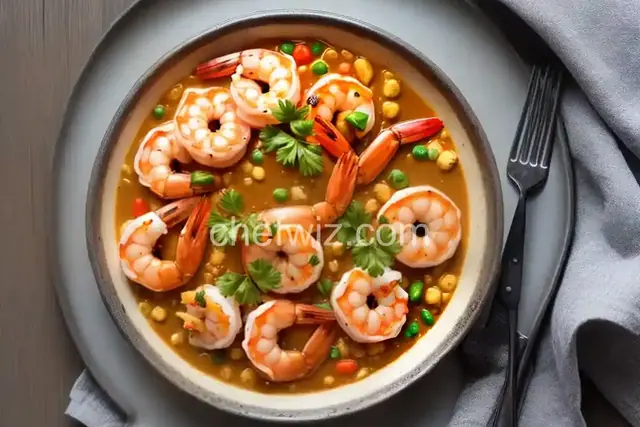
Heat the butter in a large skillet over medium-high heat until melted.
Add the shrimp, garlic, and green onions to the skillet. Cook and stir until the shrimp turn pink on the outside and are no longer translucent in the center, which should take about 5 minutes.
Remove the shrimp from the skillet and set them aside. In the same skillet, pour in the wine, cream, tomatoes, basil, and cayenne pepper.
Bring the mixture to a simmer, then reduce the heat to medium-low and let it simmer for about 10 minutes, or until the sauce thickens enough to coat the back of a spoon.
Stir the shrimp back into the sauce and season with salt and pepper to taste. Heat everything through and serve.
Have you ever wondered what makes shrimp so happy? Is it their vibrant colors or their playful nature? Well, the truth is, there's more to their happiness than meets the eye. In this article, we will delve into the fascinating world of shrimp and discover what keeps them smiling. So, let's dive in!
Shrimp, with their delicate bodies and graceful movements, are like the ballet dancers of the sea. They come in various sizes, from tiny to jumbo, and their colors range from pale pink to deep red. But what sets shrimp apart is their ability to adapt and thrive in different environments.
Just like humans, shrimp need a happy place to call home. They prefer clean and well-oxygenated water, where they can swim freely without any worries. In these environments, they can find an abundance of food and shelter, which contributes to their overall happiness.
Shrimp are social creatures that thrive in the company of others. They form tight-knit communities where they can interact, communicate, and even play together. This sense of community brings them joy and fulfillment, much like the friendships we humans cherish.
When shrimp are in a happy community, they are more active, eat better, and even reproduce more efficiently. It's as if their happiness is contagious, spreading from one shrimp to another. So, next time you see a group of shrimp happily swimming together, remember the power of community.
Just like us, shrimp need a balanced diet to stay happy and healthy. Their diet consists of various small organisms, such as algae and plankton, which provide essential nutrients. These nutrients are crucial for their growth, vibrant colors, and overall well-being.
Imagine a happy shrimp as a gourmet chef, carefully selecting the finest ingredients for a delicious meal. They search for the tastiest morsels, ensuring they get all the necessary nutrients. This helps them thrive and maintain their radiant appearance, making them a sight to behold.
Shrimp may seem like simple creatures, but they hold the secret to happiness within their tiny bodies. From finding their happy place to thriving in a community, shrimp teach us valuable lessons about the importance of a balanced diet and the power of companionship.
So, the next time you spot a shrimp happily swimming by, take a moment to appreciate their joy and remember that happiness can be found in the most unexpected places.
Shrimp typically live for 1 to 2 years, depending on the species and environmental conditions.
Yes, shrimp can change color depending on their mood, surroundings, and even to attract mates.
Yes, most shrimp are safe to eat. However, it's essential to ensure they are sourced from reputable suppliers and properly cooked.
Shrimp may exhibit different behaviors and preferences, suggesting they have individual personalities.
While shrimp have a basic nervous system, their ability to feel pain is still a topic of debate among scientists.
Shrimp are surprisingly fast swimmers and can reach speeds of up to 10 inches per second!
While most shrimp species are edible, some may not be as tasty or commercially viable.
The largest shrimp ever recorded was a massive 16 inches long!
AprilCook, recipe developer and the heart of Chefwiz. More about April