Halva (Iranian Dessert)
Rate this recipeBe the first to rate
 By AprilPublished
Have you ever tried a dessert that is both rich and satisfying?
 By AprilPublished
Have you ever tried a dessert that is both rich and satisfying?
In a saucepan, heat 3/4 cup plus 2 tablespoons of oil over medium heat.
Add flour to the saucepan and reduce heat to medium-low. Stir frequently until the mixture turns golden and thickens, which should take around 10 to 15 minutes.
Allow the mixture to cool briefly.
In a separate saucepan, combine water and sugar over medium-high heat. Bring the mixture to a boil.
Stir in rose water and saffron.
Add the flour mixture to the saucepan and cook, stirring, until thickened. This should only take about 1 to 2 minutes.
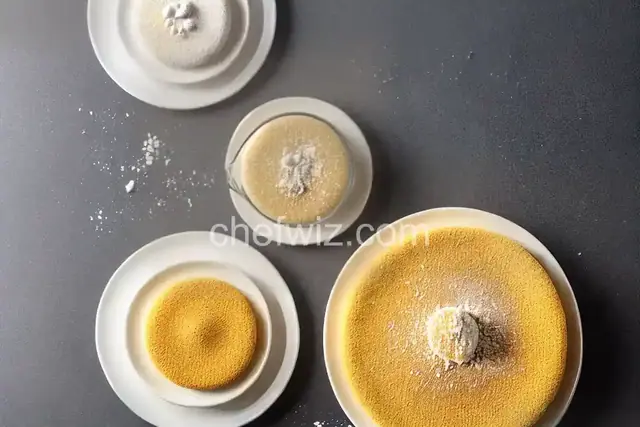
Serve the halva with crushed pistachios and almonds sprinkled on top.
Have you ever tried a dessert that is both rich and satisfying? A dessert that melts in your mouth and leaves you craving for more? Look no further than Halva, the beloved Iranian dessert that has captured the hearts and taste buds of people around the world. In this article, we will explore the history, flavors, and cultural significance of Halva, and discover why it is a sweet delight that is worth savoring.
Halva, also spelled as "Halwa" or "Halava," is a dessert that has a long and rich history. It is believed to have originated in the Middle East and spread to different parts of the world through trade routes. The word "Halva" itself means "sweet" in Arabic, which perfectly describes this delectable treat.
Halva comes in various forms and flavors, depending on the region. In Iran, it is traditionally made with ingredients such as tahini (sesame paste), sugar, rosewater, and saffron. These ingredients are combined and cooked to create a smooth and creamy dessert that is often garnished with nuts and dried fruits. The result is a dessert that is both decadent and fragrant.
One of the reasons why Halva has gained popularity worldwide is its diverse range of flavors. From the classic tahini-based Halva to the more modern variations like chocolate and pistachio, there is a flavor for every palate.
The traditional Iranian Halva, made with tahini, has a subtle nutty flavor that is perfectly balanced with the sweetness of sugar and the floral notes of rosewater. The addition of saffron gives it a vibrant yellow color and adds a touch of earthiness to the dessert.
If you have a sweet tooth, you might enjoy the chocolate Halva, which combines the richness of cocoa with the smoothness of tahini. It is a match made in dessert heaven, with the chocolate adding a delightful twist to the traditional recipe.
For those who love the combination of sweet and salty, the pistachio Halva is a must-try. The creamy tahini base is studded with crunchy pistachios, creating a delightful contrast of textures and flavors.
Halva holds a special place in Iranian culture and is often associated with celebrations and special occasions. It is a dessert that brings people together, symbolizing joy and abundance.
In Iran, Halva is commonly served during religious holidays such as Nowruz (Persian New Year) and Ramadan. It is also a staple at weddings and other festive gatherings, where it is shared among family and friends as a symbol of hospitality and goodwill.
Halva is not just a dessert; it is a reflection of Iranian heritage and traditions. By savoring a piece of Halva, one can experience the rich flavors and cultural significance of Iran.
Halva is more than just a dessert; it is a sweet delight that captivates the senses and brings people together. Whether you prefer the classic tahini flavor or want to explore the various modern variations, Halva is sure to leave you craving for more.
So why not indulge in a piece of Halva and experience the rich history, diverse flavors, and cultural significance of this beloved Iranian dessert? It's time to treat yourself to a sweet delight worth savoring.
Yes, the traditional Iranian Halva is vegan-friendly as it is made with plant-based ingredients like tahini and sugar.
Absolutely! With a few simple ingredients and some patience, you can make delicious Halva right in your own kitchen.
Yes, Halva is naturally gluten-free as it does not contain any wheat or gluten-containing ingredients.
Halva should be stored in an airtight container at room temperature. It can last for several weeks if stored properly.
Yes, you can freeze Halva for longer storage. Just make sure to wrap it tightly in plastic wrap or place it in an airtight container before freezing.
Absolutely! Halva is a versatile dessert that can be customized with various flavors like chocolate, pistachio, or even fruit extracts.
While Halva is delicious, it is also high in calories and sugar. It should be enjoyed in moderation as part of a balanced diet.
Yes, Halva is popular worldwide and can be found in specialty stores or online shops that specialize in Middle Eastern cuisine.
AprilCook, recipe developer and the heart of Chefwiz. More about April