Halo-Halo
Rate this recipeBe the first to rate
 By AprilPublished
 Are you craving for a refreshing and delightful treat? Look no further than halo-halo, the ultimate Filipino dessert that will transport you to a tropical paradise.
 By AprilPublished
 Are you craving for a refreshing and delightful treat? Look no further than halo-halo, the ultimate Filipino dessert that will transport you to a tropical paradise.
In a blender, combine lime zest, lime juice, mango nectar, half of the mangoes, and a pinch of salt. Blend until smooth.
In a small saucepan, heat gelatin and ½ cup water over medium heat. Stir constantly until gelatin is dissolved. Remove from heat and stir in mango puree.
Pour the jelly mixture into a 9x5 loaf pan. Carefully add the remaining mangoes and stir to combine. Cover the pan tightly and chill in the refrigerator until set, which should take around 20-30 minutes.
Preheat the oven to 350° and place a rack in the middle. In a small saucepan, cook sugar and 1 Tbsp. water over medium heat until the sugar is dissolved. Then, cook undisturbed, swirling the pan occasionally and brushing down the sides with a wet pastry brush as needed, until the mixture turns a deep amber color (7-9 minutes). Scrape the caramel into another 9x5 loaf pan.
In a medium bowl, whisk together egg yolks, coconut milk, condensed milk, vanilla, and salt. Pour the mixture through a fine-mesh sieve into the loaf pan with caramel. Cover with foil and place it inside a roasting pan. Carefully pour hot water into the roasting pan, filling it halfway up the sides of the loaf pan.
Bake the flan in the preheated
Are you craving for a refreshing and delightful treat? Look no further than halo-halo, the ultimate Filipino dessert that will transport you to a tropical paradise. This colorful and indulgent dessert is a symphony of flavors and textures that will surely satisfy your sweet tooth. In this article, we will explore the fascinating origins of halo-halo, its mouthwatering ingredients, and why it has become a beloved dessert not only in the Philippines but also around the world.
Have you ever wondered how halo-halo got its name? In Filipino, "halo" means mix, and that's exactly what this dessert is all about. It is a delightful mishmash of various ingredients meticulously layered and mixed together to create a harmonious blend of flavors and textures. The origins of halo-halo can be traced back to the Japanese-inspired shaved ice dessert called "kakigori" that was introduced to the Philippines during the American colonial period. Filipino ingenuity and creativity then gave birth to halo-halo, a dessert that is uniquely Filipino.
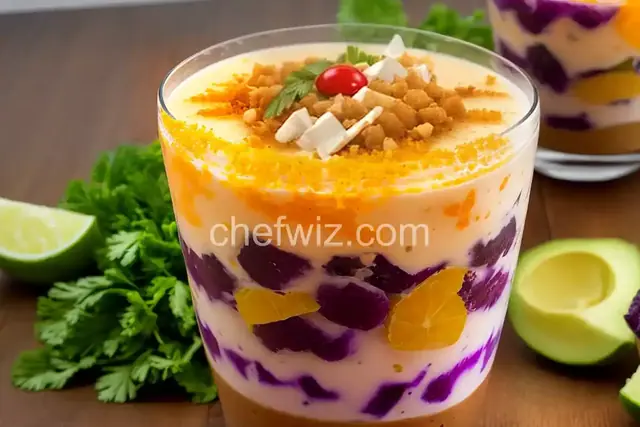
Now, let's dive into the mouthwatering ingredients that make up halo-halo. Imagine a tall glass filled with finely shaved ice. As you take your first bite, you will encounter a delightful medley of sweetened fruits such as jackfruit, bananas, and beans. The addition of creamy leche flan and ube (purple yam) adds a touch of richness and decadence. To top it all off, a generous drizzle of sweetened condensed milk and a scoop of creamy ice cream complete this heavenly dessert.
Have you ever tasted the sweet and fragrant jackfruit? This tropical fruit adds a burst of flavor to halo-halo with its juicy and luscious texture. It perfectly complements the other ingredients and adds a refreshing twist to the dessert. With each spoonful of halo-halo, you will be transported to a tropical paradise, savoring the taste of the sun-kissed jackfruit.
What makes halo-halo truly unique is the presence of ube, a vibrant purple yam that is widely celebrated in Filipino cuisine. Ube adds not only a stunning visual appeal but also a distinct flavor that is both earthy and sweet. Its creamy texture blends effortlessly with the other ingredients, creating a delightful symphony of flavors in every bite. Ube truly is the crown jewel of halo-halo.
Did you know that halo-halo has gained popularity beyond the shores of the Philippines? This delectable dessert has captured the hearts and taste buds of people from different cultures and backgrounds. In countries like the United States, halo-halo can be found in Filipino restaurants and even in mainstream dessert shops. Its unique combination of flavors and textures has made it a beloved treat for both Filipinos and non-Filipinos alike.
Halo-halo is more than just a dessert. It is a celebration of Filipino ingenuity and creativity. With its vibrant colors, delightful flavors, and refreshing textures, halo-halo is a dessert that brings people together and sparks joy. So the next time you're in the mood for a delightful treat, why not give halo-halo a try? It's a taste of paradise in a glass.
"Halo-halo" means mix in Filipino, referring to the way the dessert is prepared by layering and mixing various ingredients together.
Absolutely! One of the great things about halo-halo is its versatility. You can add or remove ingredients according to your preference.
While halo-halo is undeniably delicious, it is not considered a health food. It is best enjoyed in moderation as an occasional indulgence.
Yes, you can! There are many recipes available online that provide step-by-step instructions on how to make halo-halo from scratch.
No, halo-halo has gained popularity worldwide. It can now be found in various countries, especially in areas with a significant Filipino community.
The best way to enjoy halo-halo is to mix all the ingredients together before taking a spoonful. This ensures that you get a taste of all the flavors in every bite.
While ube is a key ingredient in halo-halo, you can substitute it with other flavors if you can't find it. Some popular alternatives include mango, chocolate, and pandan.
Halo-halo is traditionally served cold, making it a perfect dessert for hot summer days. The shaved ice provides a refreshing and cooling sensation.
AprilCook, recipe developer and the heart of Chefwiz. More about April