Haemul Pajeon
Rate this recipeBe the first to rate
 By AprilPublished
 Are you a seafood lover? Do you enjoy the crispy texture of pancakes?
 By AprilPublished
 Are you a seafood lover? Do you enjoy the crispy texture of pancakes?
To make the dipping sauce, combine soy sauce, gochugaru, rice vinegar, sesame seeds, ginger, scallions, and garlic in a small bowl. Set aside.
For the pancakes, start by heating 1 inch of water in a medium saucepan until boiling. Add mussels or clams, cover with a lid, and cook for about 5 minutes until the shells open and the meat is cooked. Drain and let cool slightly. Remove the meat from the shells and discard the shells.
In a large bowl, mix together all-purpose flour, rice flour, potato starch, sesame oil, and egg. Add ice water and whisk until well combined. The batter should have a loose consistency similar to heavy cream. Add shrimp, squid, scallions, chili, shallot, garlic, chives, salt, and the mussel or clam meat. Mix well.
Heat 2 tablespoons of canola oil in a medium nonstick skillet over medium-high heat. Add 1/2 cup of batter to the skillet and spread it evenly to form a single layer. Lower the heat to medium and cook until the sides are crisp and small bubbles form on top, approximately 3 to 4 minutes. Flip the pancake and cook the other side until brown and crispy, another 3 to 4 minutes. Flip the pancake twice more, once on each side, and cook for 30 seconds per side to ensure crispiness, if needed. Repeat with the remaining
Are you a seafood lover? Do you enjoy the crispy texture of pancakes? If so, then you're in for a treat! Haemul Pajeon is a traditional Korean dish that combines the best of both worlds – delectable seafood and a satisfying pancake. In this article, we will explore the origins of Haemul Pajeon, its key features, and why it has become a favorite among food enthusiasts worldwide.
Haemul Pajeon, also known as "seafood scallion pancake," originated in Korea and has a rich history that dates back centuries. The dish was traditionally enjoyed during the Joseon Dynasty, where it was often served as a royal delicacy. Over time, Haemul Pajeon made its way from the royal courts to the streets of Korea, becoming a popular street food enjoyed by locals and tourists alike.
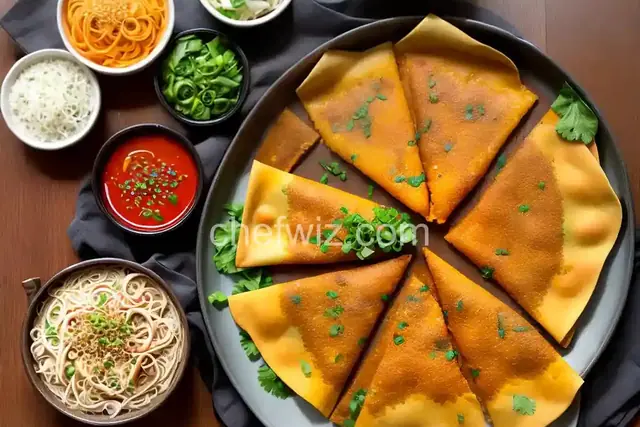
Haemul Pajeon stands out for its unique blend of flavors and textures. The pancake itself is made from a batter consisting of flour, eggs, and water, resulting in a light and crispy texture. The addition of scallions adds a refreshing and slightly pungent flavor, while the seafood toppings – typically shrimp, squid, and clams – provide a satisfying umami taste.
One of the reasons why Haemul Pajeon has gained popularity worldwide is its versatility. It can be enjoyed as a main dish, an appetizer, or even as a snack. The combination of seafood and pancake makes it a crowd-pleaser, appealing to both seafood enthusiasts and pancake lovers. Additionally, the vibrant colors and enticing aroma of Haemul Pajeon make it visually appealing, further enhancing the dining experience.
Haemul Pajeon is a delightful Korean seafood pancake that offers a perfect combination of flavors and textures. Whether you're a seafood lover or simply enjoy a good pancake, Haemul Pajeon is sure to satisfy your cravings. Its rich history, versatility, and visual appeal make it a favorite dish worldwide. So why not give it a try and experience the crispy goodness for yourself?
Haemul Pajeon can be easily made at home. All you need is a few simple ingredients and a hot pan. Mix the batter, add the scallions and seafood, then cook it until golden brown on each side. Serve it with a dipping sauce, and you're good to go!
Absolutely! While shrimp, squid, and clams are the traditional seafood toppings, you can experiment with other types of seafood like mussels, scallops, or even fish. Feel free to get creative and customize the dish to your liking.
Haemul Pajeon is not gluten-free, as it contains flour in the batter. However, you can try using gluten-free flour alternatives if you have dietary restrictions.
Yes, you can make Haemul Pajeon without eggs. Simply omit the eggs from the batter and adjust the consistency with water or other liquid alternatives. The resulting pancake may have a slightly different texture, but it will still be delicious.
There are several variations of Haemul Pajeon, depending on the region and personal preferences. Some popular variations include adding kimchi or cheese to the batter, which adds an extra layer of flavor. You can also experiment with different dipping sauces to enhance the taste.
While it's best to enjoy Haemul Pajeon fresh, you can freeze any leftovers for later consumption. Make sure to wrap the pancakes tightly in plastic wrap or place them in an airtight container before freezing. To reheat, simply thaw them and heat them in a pan until crispy.
Haemul Pajeon is not inherently spicy, but you can add a spicy kick by incorporating gochugaru (Korean red pepper flakes) or gochujang (Korean red pepper paste) into the batter or the dipping sauce. Adjust the amount according to your spice tolerance.
Yes, you can make a vegan version of Haemul Pajeon by substituting the seafood with vegetables like mushrooms, zucchini, or carrots. You can also use plant-based alternatives for the batter, such as chickpea flour or rice flour.
AprilCook, recipe developer and the heart of Chefwiz. More about April