Habanero Salsa
Rate this recipeBe the first to rate
 By AprilPublished
 Are you a fan of spicy food? Do you enjoy the fiery sensation that lingers on your taste buds?
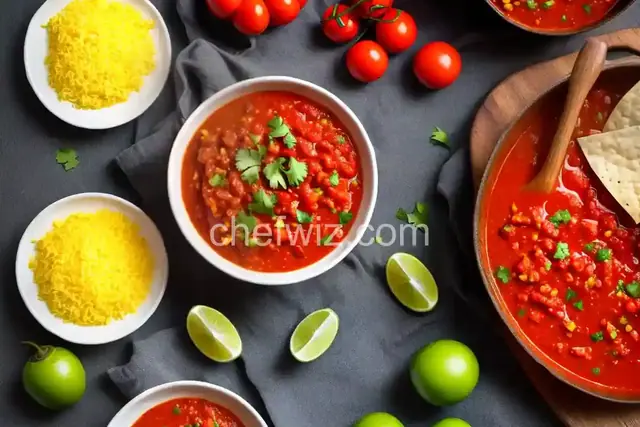 By AprilPublished
 Are you a fan of spicy food? Do you enjoy the fiery sensation that lingers on your taste buds?
Roast jalapenos over a grill or gas burner until they turn completely black.
Transfer the roasted jalapenos to a plastic bag or a bowl covered with plastic wrap and let them steam until the skins become loose.
Once the jalapenos have cooled down, remove the skin, stem, and seeds.
In a blender or food processor, combine the jalapenos, onions, garlic, sugar, salt, and pepper. Pulse the ingredients until they are chopped and blended.
Pour the mixture into a large bowl and add the can of green chiles, cilantro, and lime juice. Mix everything well.
Blend the tomatoes in batches to your desired size, then add them to the green chile mixture.
Take one cup of the chopped tomatoes and blend them with the habanero until smooth.
Strain the habanero-tomato puree to remove any large pieces of habanero, and add it to the tomatoes.
Mix everything well, cover the bowl, and refrigerate for at least one hour to allow the flavors to blend together.
Are you a fan of spicy food? Do you enjoy the fiery sensation that lingers on your taste buds? If so, then habanero salsa is the perfect condiment for you. With its intense heat and vibrant flavors, this salsa will add an extra kick to any dish. Whether you're a seasoned spice lover or just starting to explore the world of hot sauces, habanero salsa is sure to satisfy your craving for heat.
What makes habanero salsa so hot? It's all thanks to the habanero pepper, one of the spiciest peppers in the world. With its Scoville heat rating ranging from 100,000 to 350,000 units, the habanero pepper packs a serious punch. But don't let the heat scare you away. The habanero's flavor profile is just as impressive as its spiciness. It has a fruity and slightly sweet taste that balances out the intense heat, making it a favorite among chili enthusiasts.
Creating the perfect habanero salsa requires a delicate balance of ingredients. The key is to enhance the natural flavors of the habanero pepper without overpowering them. Tomatoes, onions, garlic, and cilantro are commonly used to complement the heat of the habanero. These ingredients add depth and complexity to the salsa, creating a harmonious blend of flavors.
If you prefer a milder salsa, there are a few tricks you can try. Removing the seeds and membranes from the habanero peppers can help reduce the heat. You can also add ingredients like mango, pineapple, or avocado to mellow out the spiciness. The sweetness of these fruits can act as a natural fire extinguisher, cooling down the salsa without sacrificing flavor.
Habanero salsa is a versatile condiment that can be enjoyed in numerous ways. Here are a few ideas to get you started:
Habanero salsa is not for the faint of heart. Its intense heat will leave you feeling alive and invigorated, while its bold flavors will keep you coming back for more. So, if you're ready to spice up your meals and embark on a culinary adventure, give habanero salsa a try. Just remember to start small and gradually increase the amount to find your perfect level of heat.
Habanero salsa can typically be stored in the refrigerator for up to two weeks. However, its heat may mellow over time.
Yes, habanero salsa can be frozen for future use. Just make sure to store it in an airtight container to prevent freezer burn.
Habanero peppers are rich in vitamins A and C, as well as capsaicin, a compound known for its potential health benefits.
Removing the seeds and membranes from the habanero peppers, as well as adding ingredients like fruit or avocado, can help reduce the spiciness of the salsa.
Absolutely! Habanero salsa can add a fiery flavor to marinades for meats, seafood, or even tofu.
Yes, habanero salsa is typically vegetarian and vegan-friendly. However, it's always a good idea to check the label to be sure.
Yes, you can adjust the heat level of habanero salsa by adding more or fewer habanero peppers to the recipe.
Habanero salsa pairs well with a variety of dishes, including tacos, nachos, grilled meats, seafood, and even roasted vegetables.
AprilCook, recipe developer and the heart of Chefwiz. More about April