Gyoza (Japanese Potstickers)
Rate this recipeBe the first to rate
 By AprilPublished
 Are you craving a delicious and savory dish that is also fun to make?
 By AprilPublished
 Are you craving a delicious and savory dish that is also fun to make?
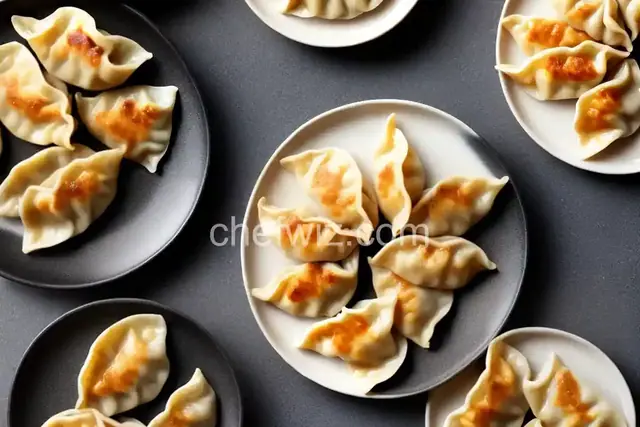
To prepare the potstickers, mix together ground pork, napa cabbage, green onions, egg, ginger, garlic, soy sauce, Sriracha, and sesame oil in a bowl.
Place gyoza wrappers on a flat surface. Put 1 teaspoon of the pork mixture in the center of each wrapper. Moisten the edges with your finger or a brush. Fold the sides up to create a semicircle and press the edges to seal.
Heat oil in a heavy skillet over medium-high heat. Add 12 to 15 gyoza to the skillet and cook until the bottom turns golden brown, approximately 2 minutes. Pour in 1/2 cup water, cover, and cook until the water is absorbed, around 5 to 7 minutes. Transfer the cooked gyoza to a plate. Repeat this step with the remaining gyoza.
For the dipping sauce, mix together soy sauce, rice vinegar, sesame oil, and Sriracha. Serve the sauce alongside the gyoza for dipping.
To make hanetsuki gyoza (crispy wing gyoza), a popular dish in Japan, add 1 1/2 teaspoons to 1 tablespoon of flour to the water before pouring it into the skillet in Step 3.
If desired, you can substitute 3 garlic chives for the green onions and garlic clove.
The sauce
Are you craving a delicious and savory dish that is also fun to make? Look no further than gyoza, the Japanese potstickers that will satisfy your taste buds and impress your friends and family. Whether you are a seasoned cook or a beginner in the kitchen, making gyoza is an enjoyable culinary adventure that anyone can embark on.
One of the most intriguing aspects of gyoza is the intricate folding technique used to seal the dumplings. It's like creating little edible presents. Each fold is carefully crafted, resulting in a beautiful, pleated dumpling that is both visually appealing and delicious. As you fold each gyoza, you can't help but feel a sense of accomplishment and pride.
When you take your first bite into a gyoza, you are greeted with a burst of flavors. The crispy and golden brown bottom, achieved through pan-frying, provides a satisfying crunch. The filling, typically a mixture of ground meat and vegetables, is seasoned with a combination of soy sauce, ginger, garlic, and other aromatic ingredients. Every bite is a harmonious blend of savory, umami, and slightly sweet flavors.
Gyoza can be enjoyed as an appetizer, a main dish, or even a snack. They are perfect for gatherings, parties, or a cozy night in. You can serve them with a dipping sauce or pair them with a bowl of steamed rice and a side of stir-fried vegetables. The possibilities are endless, and you can easily customize the filling to suit your preferences and dietary restrictions.
Here are a few tips and tricks to ensure your gyoza turn out perfect every time:
Using the right gyoza wrapper is crucial for a successful outcome. Look for round, thin wrappers specifically labeled for gyoza or potstickers. These wrappers are pliable and produce a delicate dumpling with a satisfying texture.
When filling and folding the gyoza, it's important to keep the wrappers moist to prevent them from drying out and cracking. Place a damp kitchen towel over the wrappers to retain moisture as you work.
To ensure a tight seal, apply a small amount of water or egg wash to the edge of the wrapper before folding. This will help the gyoza stay sealed during cooking and prevent any delicious filling from escaping.
Pan-frying the gyoza creates a crispy bottom while keeping the top soft and tender. Heat a non-stick pan over medium-high heat, add a small amount of oil, and arrange the gyoza in a single layer. Allow them to cook until the bottoms are golden brown, then carefully pour water into the pan and cover to steam the tops. This two-step cooking method ensures a perfect texture.
Absolutely! Gyoza can be made ahead of time and frozen for later use. Simply arrange the uncooked gyoza in a single layer on a baking sheet lined with parchment paper and place them in the freezer. Once frozen, transfer them to a freezer-safe bag or container. When you're ready to cook, there's no need to thaw them. Just increase the cooking time slightly.
Definitely! While the classic gyoza filling consists of ground pork, cabbage, and garlic chives, you can get creative with the filling. Try using ground chicken, shrimp, or even tofu for a vegetarian option. Add in your favorite vegetables and seasonings to create a unique flavor combination.
Absolutely! Steaming gyoza is a healthier alternative to pan-frying. Simply arrange the filled gyoza in a steamer basket, making sure they don't touch each other. Steam them for about 8-10 minutes until the wrappers are translucent and the filling is cooked through. Serve with a dipping sauce, and you have a delicious steamed version of gyoza.
The most common sauce for gyoza is a simple mixture of soy sauce, rice vinegar, and a touch of sesame oil. However, you can customize the sauce to your liking by adding chili oil, garlic, or even a squeeze of lime for a tangy twist.
Absolutely! Look for gluten-free gyoza wrappers, or you can make your own using a gluten-free flour blend. As for the filling, use gluten-free soy sauce or tamari and ensure that all seasonings and ingredients are gluten-free. With a few adjustments, you can enjoy delicious gluten-free gyoza.
To prevent gyoza from sticking to the pan, make sure to use a non-stick pan and heat it properly before adding the gyoza. Also, be patient and let the gyoza cook undisturbed until the bottoms are golden brown. If you try to move them too early, they may stick to the pan.
While baking gyoza is not the traditional method, you can certainly give it a try. Preheat your oven to 400°F (200°C) and arrange the gyoza on a baking sheet lined with parchment paper. Brush them with a little oil to help with browning and bake for about 15-20 minutes, or until the wrappers are golden and crispy.
Although gyoza and Chinese potstickers share similarities, they have slight differences in their fillings and wrappers. Gyoza wrappers are typically
AprilCook, recipe developer and the heart of Chefwiz. More about April