Gunk on Noodles
Rate this recipeBe the first to rate
 By AprilPublished
 Have you ever opened a package of noodles, only to find a slimy, gunky residue coating them?
 By AprilPublished
 Have you ever opened a package of noodles, only to find a slimy, gunky residue coating them?
Start by bringing a large pot of water to a boil and adding a pinch of salt.
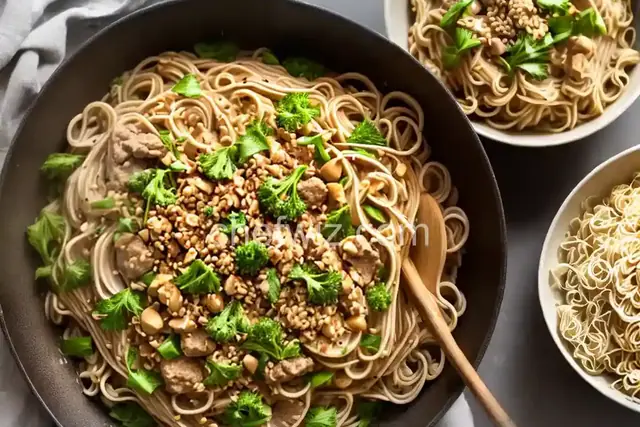
Add the egg noodles to the boiling water and cook them for 6 to 8 minutes, or until they become al dente.
Once the noodles are cooked, drain them and set them aside.
In a large skillet, heat it over medium-high heat and cook the ground beef for about 10 minutes, or until it is evenly browned.
Add the diced onion and minced garlic to the skillet and cook until the onion becomes tender.
Stir in the tomato paste, mushrooms (sliced or chopped), juice (such as tomato juice or broth), sugar, butter, and Worcestershire sauce.
Season the mixture with salt and pepper to taste.
Continue cooking and stirring the mixture for 5 more minutes, or until it becomes bubbly and heated through.
Serve the beef mixture over the cooked egg noodles.
Have you ever opened a package of noodles, only to find a slimy, gunky residue coating them? It's a frustrating experience, especially when you're looking forward to a delicious meal. But what causes this gunk, and is it safe to eat? In this article, we'll explore the reasons behind gunk on noodles and provide some tips on how to prevent it.
The gunk on noodles is primarily caused by starch. Starch is a complex carbohydrate found in many grains, including wheat, rice, and corn. When noodles are cooked, the starch molecules break down and swell, creating a gel-like substance. This substance can sometimes cling to the noodles, giving them a slimy texture.
Additionally, the gunk can also be a result of overcooking. When noodles are cooked for too long, they can become mushy and release excess starch into the cooking water. If this starchy water is not drained properly, it can mix with the noodles, leading to the formation of gunk.
Fortunately, there are several ways to prevent gunk from forming on your noodles:
After cooking your noodles, rinse them under cold water. This helps remove any excess starch and prevents the formation of gunk. Be sure to drain them thoroughly before using them in your recipe.
When cooking noodles, use just enough water to cover them. Using excess water can result in more starch being released, increasing the chances of gunk formation.
Cook your noodles until they are al dente, which means they are cooked but still firm to the bite. Overcooking can lead to mushy noodles and more starch being released.
While cooking your noodles, make sure to stir them occasionally. This helps prevent them from clumping together and reduces the chances of gunk formation.
Before cooking your noodles, add a small amount of oil to the boiling water. This can help prevent the noodles from sticking together and reduce the chances of gunk formation.
The gunk on noodles is generally safe to eat. It is primarily composed of starch, which is a natural component of many grains. However, it can affect the texture and taste of your dish. If you find the gunk unappetizing, it's best to rinse it off or start over with a fresh batch of noodles.
Gunk on noodles can be a frustrating experience, but understanding its causes and prevention methods can help you enjoy a perfect plate of noodles every time. Remember to rinse the noodles, use less water, cook them al dente, stir while cooking, and add a little oil. By following these tips, you can say goodbye to gunk and hello to delicious, gunk-free noodles!
The gunk on noodles is generally safe to eat, but it can affect the texture and taste of your dish.
You can prevent gunk by rinsing the noodles with cold water, using less water when cooking, cooking them al dente, stirring while cooking, and adding a little oil.
Noodles become slimy when cooked due to the breakdown and swelling of starch molecules, which create a gel-like substance.
Noodles become mushy when overcooked. Cooking them until they are al dente helps prevent mushiness.
Yes, rinsing the noodles with cold water immediately after cooking helps remove excess starch and prevents gunk formation.
It's best to use cold water to rinse the noodles as hot water can cause them to become stickier.
It's not recommended to reuse the starchy water as it can contribute to gunk formation and affect the taste of your dish.
Yes, you can use other types of oil such as vegetable oil or sesame oil to prevent gunk formation on noodles.
AprilCook, recipe developer and the heart of Chefwiz. More about April