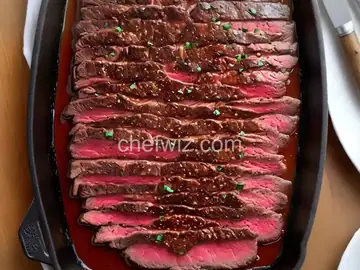
Grilling Thick Steaks - The Reverse Sear
Rate this recipeBe the first to rate
 By AprilPublished
 Are you ready to take your steak grilling game to the next level?
 By AprilPublished
 Are you ready to take your steak grilling game to the next level?
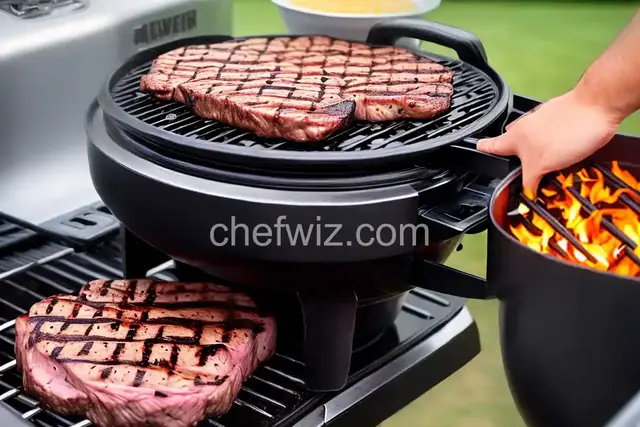
Prepare the smoker box of your gas grill by placing wood chips according to the manufacturer's instructions.
Preheat one side of the grill to approximately 250 degrees F (121 degrees C).
Season both sides of the steak generously with sea salt and black pepper.
Place the seasoned steak on the cool side of the preheated grill.
Cook the steak for around 25 to 30 minutes, or until an instant-read thermometer inserted into the center shows a temperature of about 100 degrees F (37 degrees C).
Transfer the cooked steak to a plate and brush it with olive oil. Cover it with aluminum foil.
Increase the heat on the grill to 600 degrees F (315 degrees C) by turning both burners up to the maximum.
Return the steak to the hot grill and cook for about 3 minutes per side, or until a crust forms and the temperature reaches 125 degrees F (52 degrees C) when measured with an instant-read thermometer.
Transfer the cooked steak to a clean plate and cover it with aluminum foil. Let it rest for approximately 5 minutes before serving.
If preferred, you can use a strip or rib-eye steak instead of the mentioned steak.
This recipe yields a medium-rare steak. To achieve a rare steak, lower the temperature by 10 degrees F in step 6. For a medium steak, increase the temperature by 10 degrees F.
Are you ready to take your steak grilling game to the next level? Look no further than the reverse sear method. This technique allows you to achieve a perfectly cooked, juicy steak with a beautiful crust on the outside. In this article, we'll explore the ins and outs of grilling thick steaks using the reverse sear method.
The reverse sear method is the opposite of the traditional sear and cook method. Instead of searing the steak first and then finishing it off in the oven, the reverse sear method involves slow cooking the steak at a low temperature in the oven or on a grill and then searing it at the end to develop a flavorful crust.
Think of it as a slow dance rather than a sprint. By cooking the steak slowly, you allow the heat to evenly penetrate the meat, resulting in a perfectly cooked steak from edge to center. This method is particularly effective for thick cuts of steak, such as ribeye or porterhouse.
Now that you understand the concept, let's dive into the steps of reverse searing a steak:
And there you have it! A perfectly cooked steak using the reverse sear method. The slow cooking process ensures that the steak is cooked to the desired doneness without any gray, overcooked areas.
The reverse sear method is effective for a few reasons:
It's like a symphony of flavors and textures coming together in perfect harmony.
While the reverse sear method is best suited for thick steaks, you can still use it for thinner cuts. Just adjust the cooking time accordingly to prevent overcooking.
While a meat thermometer is not necessary, it helps ensure that you achieve the desired level of doneness. It's a handy tool to have in the kitchen.
Yes, you can reverse sear frozen steaks. Just increase the cooking time in the oven or on the grill to account for the frozen state.
Yes, it's important to let the steak rest for a few minutes after the final sear. This allows the juices to redistribute, resulting in a more flavorful and tender steak.
Absolutely! The reverse sear method works well on both charcoal and gas grills. Just make sure to adjust the heat accordingly.
Salt and pepper are classic seasonings that enhance the natural flavors of the steak. However, you can get creative and experiment with different herbs and spices to suit your taste.
Yes, the oven is a great option for reverse searing a steak. Just make sure to monitor the internal temperature to avoid overcooking.
The best way to determine the doneness of the steak is by using a meat thermometer. The internal temperature should reach the desired level for rare, medium-rare, medium, etc.
In conclusion, the reverse sear method is a game-changer when it comes to grilling thick steaks. It allows for even cooking, tenderization, and flavor development. So, why not give it a try and elevate your steak grilling skills to new heights?
AprilCook, recipe developer and the heart of Chefwiz. More about April