Greens and Beans
Rate this recipeBe the first to rate
 By AprilPublished
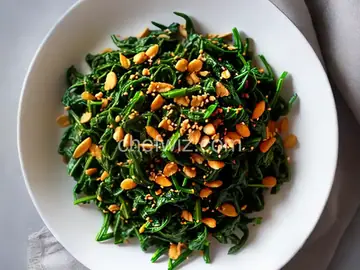
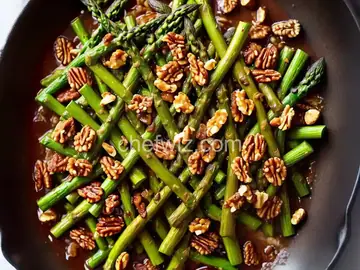
 When it comes to healthy eating, greens and beans are a dynamic duo that can give your body the nutritious boost it needs.
 By AprilPublished
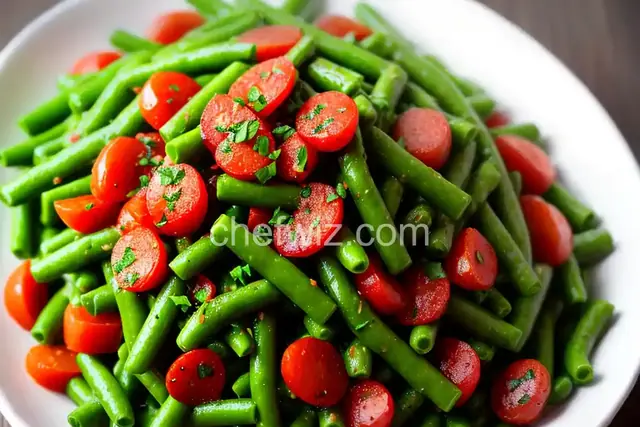
 When it comes to healthy eating, greens and beans are a dynamic duo that can give your body the nutritious boost it needs.
Fill a large pot with enough water to be about 2 inches deep.
Bring the water to a boil.
Stir 1 teaspoon of salt into the boiling water.
Add the escarole to the pot.
Cook the escarole at a boil, pushing it further into the water as it wilts.
Continue cooking until the escarole is fork-tender, which should take around 3 to 5 minutes.
Drain the cooked escarole.
Pour olive oil into the pot and place it over medium heat.
Cook and stir garlic, 1 teaspoon salt, black pepper, and red pepper flakes in the hot oil until the garlic is soft, which should take around 3 to 5 minutes.
Stir in the drained escarole and cannellini beans into the garlic mixture.
Cook and stir until the beans are hot, which should take around 5 to 10 minutes.
Just before serving, sprinkle Parmesan cheese over the mixture.
Note: If you are using the magazine version of this recipe, you should also add chicken stock.
When it comes to healthy eating, greens and beans are a dynamic duo that can give your body the nutritious boost it needs. These two food groups are not only delicious but also packed with vitamins, minerals, and fiber. In this article, we will explore the benefits of incorporating greens and beans into your diet and how they can contribute to your overall well-being.
Green vegetables, such as spinach, kale, and broccoli, are nutritional powerhouses. They are rich in vitamins A, C, and K, as well as folate, iron, and calcium. These nutrients play a vital role in maintaining a healthy immune system, promoting bone health, and supporting optimal brain function.
Additionally, greens are low in calories and high in fiber, making them an excellent choice for weight management. The fiber content in greens helps keep you full for longer, reducing the chances of overeating and aiding in digestion.
Beans, on the other hand, are an excellent source of plant-based protein and complex carbohydrates. They provide a steady release of energy and help stabilize blood sugar levels. This makes them an ideal food for individuals with diabetes or those looking to maintain stable energy throughout the day.
Beans are also high in fiber, aiding in digestion and promoting a healthy gut. They contain a variety of vitamins and minerals, including folate, iron, and magnesium. Additionally, beans are a great source of antioxidants, which help reduce inflammation and protect against chronic diseases.
Now that we know the benefits of greens and beans, let's explore how you can easily incorporate them into your daily meals.
Instead of sticking to the traditional lettuce-based salad, add a variety of greens such as kale, spinach, or arugula. Mix in some beans like chickpeas or black beans for an extra protein boost. Top it off with your favorite dressing and enjoy a nutritious and satisfying meal.
Add a handful of chopped greens and beans to your favorite soup or stew recipe. These ingredients not only enhance the flavor but also add a nutritional punch. Whether it's a hearty minestrone or a comforting lentil soup, greens and beans are sure to elevate your dish.
Prepare a vibrant stir-fry by sautéing a mix of greens and beans with your choice of protein and spices. The combination of textures and flavors will create a delicious and wholesome meal. Serve it over a bed of brown rice or quinoa for a complete and balanced dish.
Greens and beans are a winning combination when it comes to nourishing your body. With their abundance of vitamins, minerals, and fiber, they offer numerous health benefits. Incorporating greens and beans into your diet can be as simple as adding them to salads, soups, or stir-fries. So why not start enjoying the goodness of greens and beans today?
A1: While all greens and beans offer health benefits, some varieties may have higher nutrient content. For example, dark leafy greens like kale and Swiss chard are rich in vitamins and minerals. When it comes to beans, options like black beans and kidney beans are loaded with fiber and protein.
A2: Absolutely! Greens and beans are versatile and can be enjoyed by individuals following various dietary patterns, including vegan, vegetarian, gluten-free, and dairy-free diets.
A3: It is recommended to include greens and beans in your diet at least a few times a week to reap their benefits. However, feel free to enjoy them more frequently if you desire.
A4: Yes, you can cook greens and beans together. For example, you can simmer beans with chopped greens in a flavorful broth to create a hearty and nutritious dish.
A5: While greens and beans are generally safe to consume, some individuals may experience gas or bloating due to their high fiber content. Gradually increasing your intake and drinking plenty of water can help minimize these effects.
A6: Yes, canned beans and frozen greens are convenient options that can be used in various recipes. Just make sure to choose low-sodium canned beans and opt for frozen greens without added sauces or seasonings.
A7: If you're looking for alternatives to beans, other plant-based protein sources include lentils, quinoa, tofu, tempeh, and edamame.
A8: Absolutely! You can add greens like spinach or kale to your morning smoothies or scramble eggs with beans and veggies for a protein-packed breakfast.
AprilCook, recipe developer and the heart of Chefwiz. More about April