Greek Pasta
Rate this recipeBe the first to rate
 By AprilPublished
 Are you craving a flavorful and hearty meal that will transport you to the sunny shores of the Mediterranean?
 By AprilPublished
 Are you craving a flavorful and hearty meal that will transport you to the sunny shores of the Mediterranean?
Fill a large pot with water and add a pinch of salt. Bring the water to a boil.
Place the whole tomatoes in the boiling water for a short time, until the skin starts to peel. Use a slotted spoon to remove the tomatoes and transfer them to a bowl of cold water.
Add the pasta to the boiling water and cook for 8 to 10 minutes, or until it is cooked but still firm to the bite. Drain the pasta.
Peel the blanched tomatoes and chop them into small pieces.
Heat olive oil in a large skillet over medium heat. Add the garlic and mushrooms, and sauté them until the mushrooms release their juices.
Stir in the chopped tomatoes and oregano, and continue cooking until the tomatoes become tender.
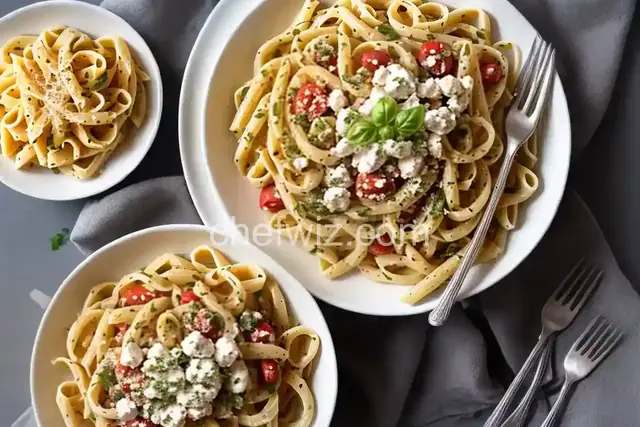
To serve, place the cooked pasta on a plate. Spoon the hot tomato sauce over the pasta and sprinkle with feta cheese and olives.
Are you craving a flavorful and hearty meal that will transport you to the sunny shores of the Mediterranean? Look no further than Greek pasta! This delectable dish combines the richness of Italian pasta with the vibrant flavors of Greek cuisine, resulting in a truly unforgettable dining experience. Let's dive into the world of Greek pasta and discover why it has become a favorite among food lovers around the globe.
Greek pasta is a wonderful example of how food can bring different cultures together. It takes the best elements from both Greek and Italian cuisines and combines them in a harmonious way. Picture al dente pasta tossed in a luscious tomato sauce infused with fragrant herbs like oregano and basil. Add to that a generous serving of feta cheese, olives, and fresh vegetables, and you have a dish that is bursting with Mediterranean flavors.
One of the things that sets Greek pasta apart is the bold and vibrant flavors that dance on your taste buds. The tanginess of the feta cheese contrasts beautifully with the sweetness of the tomatoes, creating a symphony of flavors in every bite. The addition of Kalamata olives adds a touch of saltiness, while the fresh vegetables provide a refreshing crunch. With each mouthful, you'll be transported to the cobblestone streets of a quaint Greek village.
Not only is Greek pasta a delight for the taste buds, but it also packs a nutritional punch. Olive oil, a staple in Greek cuisine, is rich in heart-healthy monounsaturated fats. The abundance of fresh vegetables provides essential vitamins and minerals, while feta cheese adds protein and calcium. This dish is a wholesome and well-rounded meal that will leave you feeling satisfied and nourished.
One of the things that makes Greek pasta so appealing is its versatility. You can customize the dish to suit your preferences and dietary needs. Feel like adding some protein? Grill up some juicy chicken or shrimp to toss into the pasta. Want to make it vegetarian? Skip the meat and load up on more vegetables and cheese. Whether you're hosting a dinner party or cooking for yourself, Greek pasta is a crowd-pleaser that can be easily adapted to any occasion.
Now that you know the wonders of Greek pasta, it's time to bring this culinary masterpiece to your own table. Gather your ingredients, put on some Greek music, and let the aromas of the Mediterranean fill your kitchen. Whether you're savoring it on a warm summer evening or cozying up by the fireplace in the winter, Greek pasta is a dish that will transport you to the idyllic shores of Greece with every bite.
Yes, you can use any type of pasta you prefer. Traditional Greek pasta dishes often use penne or spaghetti, but feel free to experiment with different shapes and sizes.
Absolutely! There are many gluten-free pasta options available in the market today. Look for brands that offer gluten-free alternatives, such as rice or quinoa pasta.
While feta cheese is a key ingredient in Greek pasta, you can certainly substitute it with another cheese if you prefer. Goat cheese or ricotta can be excellent alternatives that still provide a creamy and tangy flavor.
No, Greek pasta is not typically spicy. However, if you enjoy a bit of heat, you can add some red pepper flakes or a dash of hot sauce to give it a kick.
It is not recommended to freeze Greek pasta, as the texture and flavors may be compromised. It is best enjoyed fresh, but you can store leftovers in the refrigerator for a day or two.
Absolutely! Grilled chicken, shrimp, or even lamb can be delicious additions to Greek pasta. Cook your meat separately and toss it into the pasta before serving.
While Greek pasta is best enjoyed fresh, you can prepare the components ahead of time and assemble the dish when you're ready to serve. Cook the pasta, make the sauce, and chop the vegetables in advance for a quick and easy meal.
Greek salad, roasted vegetables, or a crusty baguette are all excellent side dishes that complement Greek pasta. These additions will enhance the overall Mediterranean experience and make your meal even more satisfying.
In conclusion, Greek pasta is a delightful fusion of Greek and Italian flavors that will transport you to the shores of the Mediterranean. With its vibrant taste and endless versatility, it's no wonder that this dish has become a favorite among food lovers worldwide. So why not bring a taste of Greece to your kitchen and indulge in the wonders of Greek pasta?
AprilCook, recipe developer and the heart of Chefwiz. More about April