Greek Easter Bread
Rate this recipeBe the first to rate
 By AprilPublished
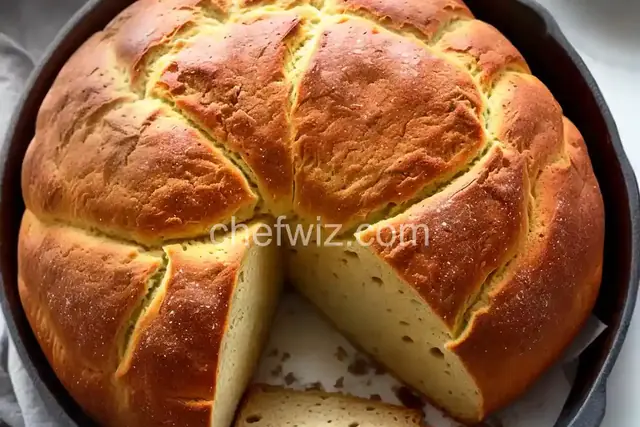
 When it comes to holiday traditions, few are as beloved as the Greek Easter bread.
 By AprilPublished
 When it comes to holiday traditions, few are as beloved as the Greek Easter bread.
Pour 1/3 cup of hot water (around 110 degrees F) into the bowl of a stand mixer. Whisk in the yeast, 1 tablespoon of flour, and 1 tablespoon of sugar. Cover and set aside for 5 to 10 minutes until the mixture becomes bubbly.
In a small saucepan, heat the milk over medium heat until bubbles start to form around the edges (about 6 minutes). Remove from heat and stir in the butter, remaining sugar, and salt. Let it cool for about 5 minutes.
Using the paddle attachment of the stand mixer, mix the milk mixture into the yeast mixture. Add the beaten eggs and gradually mix in the remaining flour, fennel seed, and almond extract. Beat until a soft dough forms and pulls away from the sides of the bowl (about 5 minutes).
Take the dough out of the bowl and knead it on a lightly floured surface for about 5 minutes, adding more flour as needed, until it becomes smooth.
Place the dough in a lightly buttered bowl, cover it, and let it rise in a warm spot until it doubles in size (about 1 1/2 hours).
Punch down the dough and place it on a lightly floured surface. Divide it into three equal parts and gently roll each piece into a 16-inch-long rope.
Line a wide-lipped cookie sheet with parchment paper. Transfer
When it comes to holiday traditions, few are as beloved as the Greek Easter bread. This delightful treat, also known as Tsoureki, is a staple in Greek households during the Easter season. With its soft texture, sweet flavor, and delightful aroma, it's no wonder that this bread has become a favorite among both young and old.
Just like any holiday dish, Greek Easter bread is rich in symbolism. The most notable feature of this bread is the red-dyed eggs that are nestled within the braided dough. These eggs represent new life and the resurrection of Jesus Christ. As the bread bakes, the eggs take on a beautiful marbled effect, adding to the overall appeal of the loaf.
But it's not just the eggs that hold symbolism. The braided shape of the bread symbolizes the Holy Trinity, while the red color represents the blood of Christ. With each bite of this bread, Greeks are reminded of the significance of Easter and the joyous celebration of Christ's resurrection.
Creating a perfect Greek Easter bread requires time, patience, and a few key ingredients. The dough is made from flour, yeast, milk, sugar, butter, and aromatic spices such as orange zest and mahleb. The addition of these spices gives the bread its distinct flavor and tantalizing aroma.
One of the secrets to achieving the perfect texture is to give the dough enough time to rise. This allows the yeast to work its magic, creating a light and fluffy bread. The braiding technique used for the dough is also essential. It takes skill and practice to achieve the perfect braid, but the result is a visually stunning loaf that is sure to impress.
Greek Easter bread is not just a treat for the eyes – it's also a delight for the taste buds. The sweet, buttery flavor pairs perfectly with a cup of coffee or tea. Whether enjoyed as a breakfast treat or as an afternoon snack, this bread is guaranteed to satisfy your cravings.
Traditionally, Greek Easter bread is served on Holy Saturday, the day before Easter Sunday. It is often enjoyed alongside other Greek delicacies, such as lamb, feta cheese, and olives. The bread is typically shared with family and friends, symbolizing unity and the importance of communal gatherings.
Greek Easter bread, or Tsoureki, is more than just a delicious treat. It's a symbol of tradition, unity, and the joyous celebration of Easter. The combination of delicate flavors, beautiful presentation, and rich symbolism make this bread a true delight for both the eyes and the palate. So why not try your hand at making your own Greek Easter bread this year? It's the perfect way to add a touch of Greek tradition to your holiday celebrations.
Absolutely! Greek Easter bread freezes well and can be enjoyed at a later date. Just make sure to wrap it tightly in plastic wrap or foil before placing it in the freezer.
While it is possible to use a bread machine, traditionalists argue that hand-kneaded bread produces a superior texture and flavor. However, if you're short on time or prefer the convenience of a bread machine, you can certainly give it a try.
While the traditional recipe calls for mahleb and orange zest, you can experiment with different spices to suit your taste. Some people like to add cardamom or cinnamon for an extra kick of flavor.
When stored in an airtight container, Greek Easter bread can stay fresh for up to a week. However, it's best enjoyed within the first few days when it's still at its softest.
Absolutely! Adding nuts or dried fruit can add a delightful crunch and burst of flavor to the bread. Just make sure to chop the nuts and fruit into small pieces before incorporating them into the dough.
While Greek Easter bread requires some skill and patience, it is not overly difficult to make. With a little practice and attention to detail, you'll be able to create a beautiful and delicious loaf.
While the braided shape is traditional, you can certainly experiment with different shapes if you prefer. Some people like to shape the dough into a wreath, while others create individual rolls.
Yes, you can use gluten-free flour as a substitute. However, keep in mind that the texture and flavor may be slightly different from the traditional version.
AprilCook, recipe developer and the heart of Chefwiz. More about April