Grated Tomato Sauce
Rate this recipeBe the first to rate
 By AprilPublished
 Are you tired of using the same old tomato sauce for your dishes?
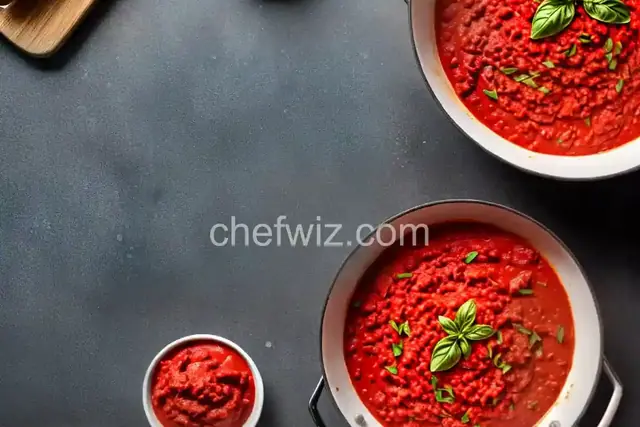 By AprilPublished
 Are you tired of using the same old tomato sauce for your dishes?
Slice a thin round off the bottom of each tomato.
Grate the tomatoes on the largest holes of a grater over a medium bowl, starting from the cut end, until only the flattened tomato skin and stem are left; discard these.
Season the grated flesh with several generous pinches of salt.
Heat oil in a large skillet over medium heat.
Cook the garlic in the skillet, tossing occasionally, until it turns golden brown, approximately 3 minutes.
Add the rosemary to the skillet and cook, tossing, until it becomes fragrant and starts to brown around the edges, about 1 minute.
Reduce the heat to medium-low and add the grated tomatoes to the skillet.
Bring the mixture to a simmer and cook, stirring often, until it slightly thickens, which should take around 5 to 10 minutes.
Remove the skillet from the heat and add the butter, stirring until it melts.
Taste the sauce and season with more salt if needed.
If preparing in advance, the sauce can be made up to 3 days ahead. Allow it to cool, then cover and chill.
Are you tired of using the same old tomato sauce for your dishes? Do you crave a burst of freshness and flavor that will elevate your meals to a whole new level? Look no further than grated tomato sauce! This versatile and easy-to-make sauce will revolutionize your cooking experience.
Grated tomato sauce is a simple and refreshing alternative to traditional tomato sauces. It involves grating fresh tomatoes to create a flavorful base for your dishes. Unlike store-bought tomato sauces, grated tomato sauce is made from scratch, allowing you to control the ingredients and flavors in your dishes.
Grating tomatoes may seem like an unconventional method, but it offers numerous benefits. By grating tomatoes, you release their natural juices, intensifying their flavor. This technique also ensures that the sauce has a smooth and silky consistency, perfect for coating pasta or topping pizzas.
Making grated tomato sauce is a breeze. Start by selecting ripe and juicy tomatoes. Cut off the stem and grate the tomatoes using a box grater or a food processor. Collect the grated tomatoes in a bowl, and discard the skins. Add a pinch of salt, a drizzle of olive oil, and any desired herbs or spices. Mix well, and your grated tomato sauce is ready to be used!
Grated tomato sauce can be used in a variety of dishes, adding a burst of freshness and flavor. Here are some delicious ways to incorporate this sauce into your meals:
Add grated tomato sauce to your favorite pasta dishes for a vibrant and tangy flavor.
Spread grated tomato sauce over pizza dough, and top with your favorite ingredients for a homemade pizza that will impress.
Top toasted baguette slices with grated tomato sauce, fresh basil, and a drizzle of olive oil for a delicious appetizer.
Use grated tomato sauce as a base for a comforting and flavorful tomato soup.
What sets grated tomato sauce apart from traditional tomato sauces is its freshness. The process of grating the tomatoes releases their natural juices, resulting in a sauce that is bursting with flavor. It's like taking a bite of a juicy tomato straight from the garden!
When you use grated tomato sauce in your dishes, you infuse them with a vibrant and tangy taste that can't be replicated by store-bought sauces. Your taste buds will thank you for the explosion of freshness and flavor.
Grated tomato sauce is a game-changer in the kitchen. Its fresh and tangy flavor elevates any dish, from pasta to pizza. By grating tomatoes, you unlock their full potential, creating a sauce that bursts with freshness and taste. So, why settle for ordinary tomato sauce when you can experience the vibrant flavors of grated tomato sauce? Give it a try and see the difference it makes in your meals!
A1: While any tomato can be used, it is best to choose ripe and juicy tomatoes for maximum flavor.
A2: Grated tomato sauce can be stored in the refrigerator for up to 3 days or frozen for later use.
A3: Absolutely! Grated tomato sauce adds depth and freshness to slow-cooked dishes.
A4: While it's a matter of personal preference, the natural sweetness of ripe tomatoes usually balances the acidity without the need for additional sugar.
A5: Yes, grated tomato sauce works wonderfully as a marinade for meat, adding a burst of flavor and tenderizing the meat.
A6: Grated tomato sauce can be used as a dressing or a flavorful addition to salads, giving them a refreshing twist.
A7: While fresh tomatoes are recommended for the best flavor, canned tomatoes can be used as a substitute if fresh tomatoes are not available.
A8: Absolutely! Grated tomato sauce can add a tangy and fresh element to Mexican dishes like tacos, enchiladas, and burritos.
AprilCook, recipe developer and the heart of Chefwiz. More about April