Grandmother's Polish Cabbage and Noodles
Rate this recipeBe the first to rate
 By AprilPublished
 There's something special about the recipes passed down from generation to generation.
 By AprilPublished
 There's something special about the recipes passed down from generation to generation.
Heat butter in a large skillet over medium-low heat until melted. Cook and stir cabbage and onion until they become very tender, which usually takes around 30 minutes.
In a large pot, fill it with water that has been lightly salted. Bring the water to a rolling boil. Add bow tie pasta and bring it back to a boil. Cook the pasta for about 12 minutes or until it becomes tender but still slightly firm. Drain the pasta well and set it aside.
Add water and cooked ham to the cabbage mixture. Heat the mixture through. Thoroughly incorporate sugar into the mixture.
Gently stir the bow tie pasta into the ham and cabbage mixture. Heat the entire mixture through.
There's something special about the recipes passed down from generation to generation. They carry with them the love and memories of those who came before us. One such recipe that holds a special place in my heart is my grandmother's Polish cabbage and noodles. This simple yet flavorful dish is a staple in our family gatherings and never fails to bring comfort and warmth to our hearts. So, let's dive into the story of my grandmother's recipe and discover the magic within.
As a child, I would watch in awe as my grandmother gracefully prepared this dish in her cozy kitchen. The aroma of sautéed cabbage and onions filled the air, instantly making my mouth water. She would lovingly stir in the tender egg noodles, coating them with the flavors of the caramelized vegetables. The sight of her working her magic with humble ingredients always fascinated me.
My grandmother would often share stories of her own childhood, growing up in Poland. She explained that this dish, known as "Haluski," was a traditional comfort food in her hometown. It was a hearty and affordable meal that brought families together around the dinner table. Through her recipe, my grandmother connected me to our Polish heritage and instilled in me a deep appreciation for the power of food to create lasting memories.
Creating my grandmother's cabbage and noodles is like embarking on a culinary journey to the heart of Poland. The ingredients are simple, yet their combination creates a symphony of flavors that dance on your taste buds. The key is in the slow and careful cooking process, allowing each ingredient to release its full potential.
First, you start by sautéing onions in a generous amount of butter until they turn golden and fragrant. This step forms the foundation of the dish, imparting a sweet and savory base that complements the cabbage perfectly. Next, you add the thinly sliced cabbage, allowing it to soften and caramelize in the buttery goodness. The cabbage becomes tender yet retains a slight crunch, adding texture and depth to the dish.
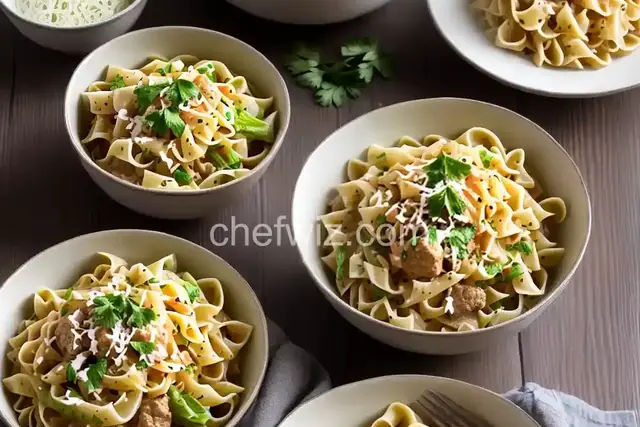
Finally, the cooked egg noodles join the party, absorbing the flavors of the caramelized onions and cabbage. As you gently toss the noodles with the vegetables, you can almost taste the love and history that went into this recipe. The dish is complete when the flavors have melded together, creating a harmonious blend of sweet, savory, and slightly tangy notes.
Now, you may be wondering why you should give this seemingly simple dish a try. Well, let me tell you, it's more than just cabbage and noodles. It's a taste of tradition, a connection to the past, and a comforting embrace on a cold winter's day.
Imagine sitting around the table with your loved ones, sharing stories and laughter, while enjoying a plate of steaming cabbage and noodles. The warmth of the dish spreads through your body, filling you with a sense of contentment and nostalgia. It's a meal that nourishes not only your body but also your soul.
Moreover, this dish is incredibly versatile. You can serve it as a main course, a side dish, or even as a delicious vegetarian option. It pairs well with a variety of proteins, such as grilled chicken or sausages, adding a touch of comfort to any meal. Its simplicity allows you to experiment with different flavors and spices, making it uniquely yours.
Grandmother's Polish cabbage and noodles hold a special place in my heart, connecting me to my heritage and the love of generations past. This humble yet extraordinary dish has the power to transport you to a cozy kitchen in Poland, where family and food intertwine in perfect harmony. So, gather your loved ones, tie on your apron, and embark on a culinary adventure that will create memories to last a lifetime.
Yes! While traditional Polish cabbage and noodles use green cabbage, you can experiment with other varieties such as savoy or red cabbage for a twist in flavor and color.
Absolutely! This dish reheats beautifully, making it a perfect make-ahead option for gatherings or busy weeknights. Simply store it in an airtight container in the refrigerator and reheat it on the stovetop or in the microwave.
Certainly! Adding cooked bacon, smoked sausage, or even shredded chicken can add a delicious protein boost to the dish. Just ensure that the meat is fully cooked before combining it with the cabbage and noodles.
If you're following a vegan diet, you can substitute the butter with a plant-based oil or vegan margarine. Additionally, you can use egg-free noodles or even replace them with zucchini noodles for a lighter option.
Yes, you can freeze any leftovers for future enjoyment. Simply let the dish cool completely, portion it into freezer-safe containers, and store them in the freezer. When you're ready to enjoy it again, thaw it in the refrigerator overnight and reheat it on the stovetop or in the microwave.
Absolutely! Feel free to get creative and add other vegetables such as bell peppers, carrots, or even mushrooms to the sautéed cabbage and onions. Just make sure to adjust the cooking time accordingly to ensure they reach the desired tenderness.
Yes, you can easily make this dish gluten-free by using gluten-free egg noodles or substituting them with rice noodles or another gluten-free pasta alternative.
Definitely! You can experiment with spices and herbs such as garlic, thyme, paprika, or caraway seeds to add an extra layer of flavor to the dish. Adjust the quantity according to your personal taste preferences.
AprilCook, recipe developer and the heart of Chefwiz. More about April