Grandma-Style Pizza Dough
Rate this recipeBe the first to rate
 By AprilPublished
 When it comes to pizza, there are countless variations and styles to choose from.
 By AprilPublished
 When it comes to pizza, there are countless variations and styles to choose from.
In the bowl of a stand mixer, combine yeast and 1¾ cups of warm water (105–110°). Allow the yeast to foam for approximately 10 minutes.
Add 2 tablespoons of oil, followed by salt and 2 cups of flour. Mix using the dough hook attachment until just combined. Remember to scrape down the sides of the bowl.
Gradually add another 2 cups of flour, one cup at a time, and continue mixing until all the flour is incorporated and a shaggy dough forms. This should take around 3 minutes.
Increase the mixer speed to medium and continue mixing for 5–6 minutes, or until the dough becomes soft, elastic, and starts to pull away from the sides of the bowl. The dough may still be slightly sticky.
Transfer the dough to a lightly oiled bowl and cover it with plastic wrap. Refrigerate for 24 hours.
Spread the remaining ½ cup of oil onto an 18x13 rimmed baking sheet.
Take the chilled dough out of the refrigerator and place it on the prepared baking sheet. Let it sit for 10 minutes to remove the chill.
Gently and gradually stretch the dough until it covers the entire baking sheet, reaching the edges and all four corners. If the dough springs back or is difficult to work with, let it rest for a few minutes before continuing. You may need to repeat this resting process more
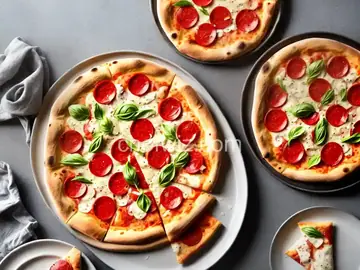
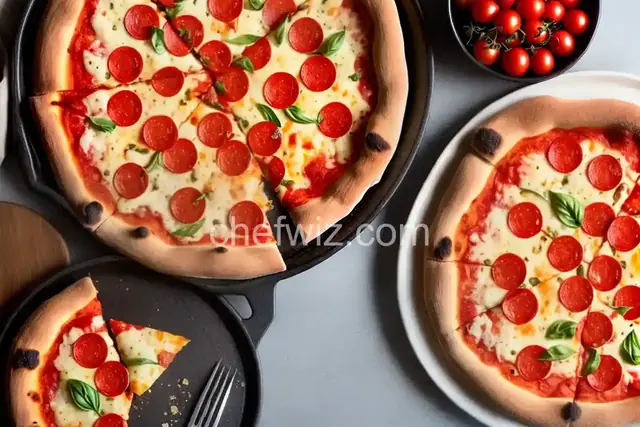
When it comes to pizza, there are countless variations and styles to choose from. One style that stands out is grandma-style pizza. It's a thin, square pizza with a crispy crust and a simple yet flavorful sauce. But what makes grandma-style pizza truly special is the dough. In this article, we'll dive deep into the world of grandma-style pizza dough and explore its secrets.
Grandma-style pizza dough has a texture and taste that sets it apart from other pizza doughs. It's soft and chewy on the inside, yet crispy on the outside. The secret lies in the way it's prepared and handled. The dough is typically made with high-protein flour, which gives it a sturdy structure and helps it retain its shape during baking.
Unlike traditional pizza dough, grandma-style dough is not stretched or tossed in the air. Instead, it is gently pressed into a baking pan, allowing it to rise and develop its unique texture. The dough is then topped with a simple tomato sauce, a sprinkle of cheese, and any desired toppings.
Making grandma-style pizza dough is an art that requires patience and attention to detail. The dough needs time to rise and develop flavor, so it's best to prepare it in advance. Many pizza enthusiasts recommend letting the dough rise overnight in the refrigerator. This slow fermentation process not only enhances the flavor but also makes the dough easier to handle.
Once the dough has risen, it's time to shape it into a square. This can be done by gently pressing the dough into a greased baking pan, making sure to spread it evenly. The dough should be about 1/4 to 1/2 inch thick, depending on personal preference. After shaping the dough, it's important to let it rest for a while to relax the gluten and prevent it from shrinking during baking.
To achieve the best results with grandma-style pizza dough, here are a few tips and tricks:
While all-purpose flour can be used, high-protein flour is recommended for the best texture and structure.
It's best to let the dough rise overnight in the refrigerator for optimal flavor development.
Yes, you can freeze the dough after it has risen. Just make sure to wrap it tightly in plastic wrap or a freezer bag.
Grandma-style pizza is versatile, and you can top it with your favorite ingredients. Popular choices include fresh basil, sliced tomatoes, and mozzarella cheese.
Yes, you can substitute high-protein gluten-free flour for regular flour to make a gluten-free version of grandma-style pizza dough.
To achieve a crispy crust, make sure to bake the pizza in a preheated oven at a high temperature, such as 475°F (245°C).
While grandma-style pizza is traditionally baked in a pan, you can use a pizza stone if desired. Just make sure to preheat the stone before placing the dough on it.
The dough should be about 1/4 to 1/2 inch thick, depending on personal preference. Thinner dough will result in a crispier crust.
While grandma-style pizza is typically square, you can experiment with different shapes, such as rectangles or circles, if desired.
While a simple tomato sauce is traditional for grandma-style pizza, you can use any sauce you like, such as pesto or barbecue sauce, to add your own twist.
Yes, you can make the dough in advance and freeze it after it has risen. Just make sure to thaw it in the refrigerator before using.
Yes, you can use instant yeast as a substitute for active dry yeast. However, you may need to adjust the rising time accordingly.
While yeast is traditionally used to make pizza dough, you can make a yeast-free version using baking powder or baking soda as a leavening agent.
While olive oil adds flavor and richness to the dough, you can make it without if desired. Just keep in mind that the texture and taste may be slightly different.
Yes, a stand mixer with a dough hook attachment can be used to knead the dough. It can save time and effort compared to kneading by hand.
Yes, you can add herbs or spices to the
AprilCook, recipe developer and the heart of Chefwiz. More about April