Graham Cracker Crust
Rate this recipeBe the first to rate
 By AprilPublished
 Are you a fan of delicious desserts? If so, then you've probably encountered graham cracker crusts in your culinary adventures.
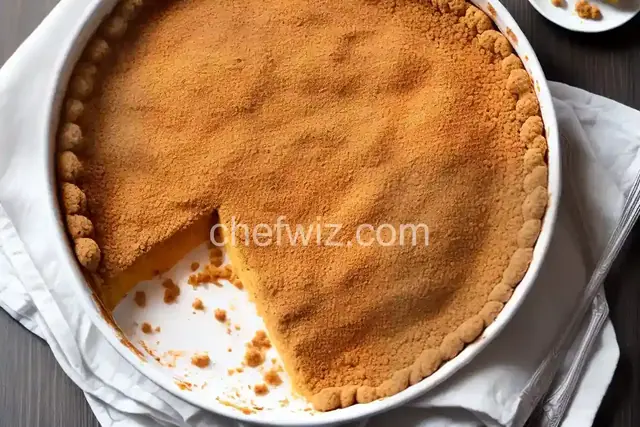 By AprilPublished
 Are you a fan of delicious desserts? If so, then you've probably encountered graham cracker crusts in your culinary adventures.
Combine graham cracker crumbs, white sugar, melted butter, and optional cinnamon in a mixing bowl.
Mix the ingredients until they are well blended.
Press the mixture into the bottom and up the sides of an 8- or 9-inch pie plate.
If you want a baked crust, bake in a 375°F oven for 7 minutes and then cool before filling.
If you prefer a no-bake crust, chill in the refrigerator for 1 hour before filling.
Follow the specific directions for your chosen crust type in your recipe.
Are you a fan of delicious desserts? If so, then you've probably encountered graham cracker crusts in your culinary adventures. These delectable crusts are a staple in many popular desserts, adding a perfect balance of sweetness and crunch to complement your favorite fillings. In this article, we'll dive into the world of graham cracker crusts, exploring their history, versatility, and why they are loved by so many. Let's get started!
Before we delve into the many uses of graham cracker crusts, let's take a moment to appreciate their humble beginnings. Graham crackers, which serve as the base for these crusts, were first created in the early 19th century by Reverend Sylvester Graham, a Presbyterian minister. He believed in the importance of a healthy diet and developed a type of cracker made from whole wheat flour. These crackers were initially bland and unsweetened, but over time, their popularity grew and they became a beloved snack.
One of the reasons graham cracker crusts have become so popular is their incredible versatility. They can be used as a base for a wide range of desserts, from pies to cheesecakes and even ice cream cakes. The sweet and crumbly texture of the crust adds a delightful contrast to creamy fillings, making them an irresistible treat for any occasion.
Imagine a luscious, creamy pie filling atop a sturdy and flavorful base. That's exactly what a graham cracker crust provides. It acts as the perfect foundation, holding all the deliciousness together and providing a satisfying crunch with every bite. Whether you're making a classic key lime pie or a decadent chocolate mousse tart, a graham cracker crust will elevate your dessert to a whole new level.
Now that you understand the versatility of graham cracker crusts, it's time to explore why they are loved by so many dessert enthusiasts:
In conclusion, graham cracker crusts are a delightful addition to any dessert. Their versatility, ease of preparation, and ability to enhance the flavors of fillings make them a favorite among bakers and dessert lovers alike. So, the next time you're planning to whip up a delicious treat, consider using a graham cracker crust to take your dessert to the next level!
While traditional graham crackers are often used, you can experiment with different flavors and variations, such as cinnamon or chocolate graham crackers, to add a unique twist to your crust.
Butter is a key ingredient in graham cracker crusts as it helps bind the crumbs together and adds flavor. However, you can try using alternative fats like coconut oil or margarine if you prefer a dairy-free option.
To prevent a soggy crust, you can bake it in the oven for a few minutes before adding the filling. This helps to set the crust and create a barrier that prevents moisture from seeping in.
Yes, you can freeze a graham cracker crust. Simply wrap it tightly in plastic wrap or place it in an airtight container before freezing. Thaw it in the refrigerator when ready to use.
Absolutely! Graham cracker crusts are perfect for no-bake pies as they provide a stable base for the filling without requiring baking.
While graham cracker crusts are primarily used for sweet desserts, you can experiment with savory fillings like cheesecake with a savory twist or a quiche with a graham cracker crust for a unique flavor combination.
Yes, graham cracker crusts can be made in advance. Simply store them in an airtight container or wrap them tightly in plastic wrap and refrigerate until ready to use.
While traditional graham crackers contain gluten, you can find gluten-free graham crackers or use gluten-free substitutes to make a delicious gluten-free graham cracker crust.
AprilCook, recipe developer and the heart of Chefwiz. More about April