Gochujang-Sesame Noodles
Rate this recipeBe the first to rate
 By AprilPublished
 Are you tired of the same old pasta dishes? Looking to spice up your noodle game?
 By AprilPublished
 Are you tired of the same old pasta dishes? Looking to spice up your noodle game?
Cook the noodles in a large pot of boiling, salted water as per the instructions on the package.
Once cooked, drain the noodles and rinse them under cool running water.
In a small bowl, whisk together gochujang, soy sauce, brown sugar, tahini, sesame oil, and 2 tablespoons of water to make the sauce. Set the sauce aside.
Heat vegetable oil in a wok or large nonstick skillet over medium-high heat.
Add broccoli rabe and garlic to the skillet, and season with salt and a generous amount of pepper.
Cook the broccoli rabe, tossing it often, until the stems are crisp-tender and the leaves are wilted. This should take about 2 minutes.
Add the reserved sauce to the skillet and continue cooking, stirring frequently, until the sauce thickens slightly. This usually takes about 2 minutes.
Add the cooked noodles and a handful of basil to the skillet, and gently toss everything together until the sauce clings to the noodles. This should take about 1 minute.
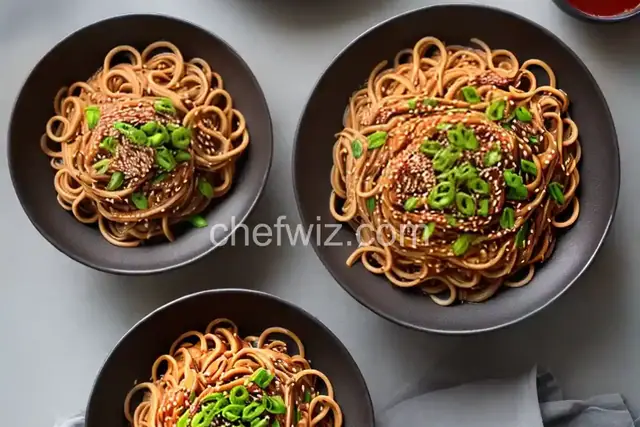
Divide the noodles among serving bowls and sprinkle sesame seeds and more basil on top.
Serve the dish with lime wedges on the side for squeezing over.
Are you tired of the same old pasta dishes? Looking to spice up your noodle game? Look no further than Gochujang-Sesame Noodles! This flavorful dish combines the fiery kick of gochujang, a Korean chili paste, with the rich nuttiness of sesame oil. It's a match made in culinary heaven, guaranteed to tantalize your taste buds. So, let's dive into the world of Gochujang-Sesame Noodles and discover how this spicy twist can elevate your pasta experience.
Imagine a sauce that combines the perfect balance of heat, sweetness, and umami flavors. That's exactly what gochujang brings to the table. Made from fermented soybeans, chili powder, and sticky rice, this traditional Korean condiment packs a punch. Just a dollop of gochujang can transform a bland dish into something extraordinary. Its complex flavors add depth and complexity to any recipe, and Gochujang-Sesame Noodles are no exception.
Now, imagine a nutty, aromatic oil that takes your taste buds on a journey to the Far East. That's sesame oil for you. This golden elixir is derived from toasted sesame seeds and adds a unique richness to any dish. When combined with gochujang, sesame oil creates a harmonious flavor profile that will leave you craving for more. It's like a dance of flavors in your mouth, with each bite taking you deeper into the world of gourmet pleasure.
Now that you understand the individual wonders of gochujang and sesame oil, let's explore how they come together to create a mouthwatering dish. Gochujang-Sesame Noodles start with a base of al dente pasta, cooked to perfection. Then, a luscious sauce is created by combining gochujang, sesame oil, and a few other secret ingredients. The result? A symphony of flavors that coats each strand of pasta, ensuring that no bite is left untouched by the deliciousness.
One of the best things about Gochujang-Sesame Noodles is that you can customize them to suit your taste. If you prefer a milder spice level, simply adjust the amount of gochujang. Want to add some crunch? Toss in some chopped peanuts or sesame seeds. Feel like adding some protein? Sautéed shrimp or tofu make excellent additions. The possibilities are endless, and you have the freedom to experiment and create a dish that is uniquely yours.
Absolutely! While traditionalists might prefer using soba noodles or udon noodles, you can use any type of pasta you have on hand. Spaghetti, linguine, or even penne will work just fine.
Yes, gochujang is known for its spiciness. However, you can adjust the spice level by adding more or less gochujang, depending on your preference.
Definitely! There are gluten-free options available for both gochujang and noodles. Simply look for gluten-free versions of these ingredients, and you're good to go.
From start to finish, you can have a plate of Gochujang-Sesame Noodles ready in under 30 minutes. It's a quick and easy dish that is perfect for busy weeknights.
While Gochujang-Sesame Noodles are best enjoyed fresh, you can prepare the sauce ahead of time and store it in the refrigerator. When you're ready to eat, simply cook the noodles and toss them in the sauce.
Sesame oil has a distinct flavor that adds a lot to the dish. However, if you don't have sesame oil, you can use another nutty oil like peanut oil or even olive oil as a substitute.
Yes, Gochujang-Sesame Noodles can easily be made vegan by using vegan-friendly noodles and ensuring that the other ingredients are also plant-based.
Absolutely! Feel free to add any vegetables you like. Sautéed bell peppers, carrots, or snap peas would make excellent additions and add both color and crunch to the dish.
In conclusion, Gochujang-Sesame Noodles bring together the bold flavors of gochujang and the nutty elegance of sesame oil to create a pasta dish like no other. With its customizable nature and quick preparation time, this dish is perfect for both weeknight dinners and special occasions. So, why settle for boring pasta when you can elevate it with a spicy twist? Give Gochujang-Sesame Noodles a try and embark on a culinary adventure that will leave you craving for more!
AprilCook, recipe developer and the heart of Chefwiz. More about April