Gochujang Pork Shoulder Steaks
Rate this recipeBe the first to rate
 By AprilPublished
 Have you ever wanted to add a burst of flavor to your pork shoulder steaks?
 By AprilPublished
 Have you ever wanted to add a burst of flavor to your pork shoulder steaks?
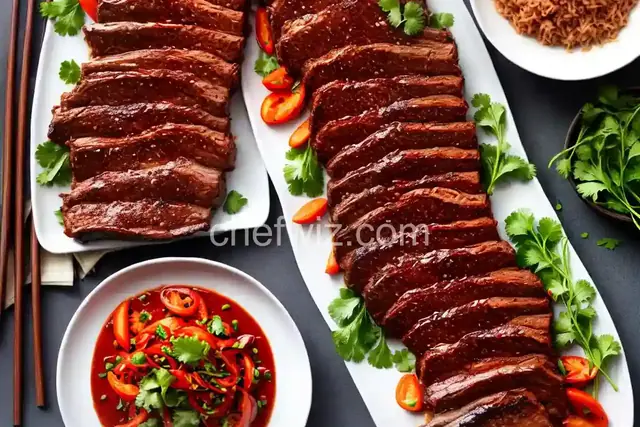
- Blend garlic, ginger, sake, gochujang, mirin, and ¼ cup of oil together in a blender until smooth.
- Set aside ¼ cup of the marinade and refrigerate.
- Transfer the remaining marinade to a large dish.
- Place the pork into the dish and coat it with the marinade.
- Refrigerate the pork, turning it occasionally, for at least 2 hours.
- Preheat the grill to medium-high heat and oil the grate.
- Remove the pork from the marinade and grill it, occasionally basting it with the reserved marinade.
- Turn the pork occasionally and move it to a cooler area if there is a flare-up.
- Cook the pork for 8-10 minutes, or until it reaches your desired level of doneness (medium-rare is recommended).
- Transfer the cooked pork to a cutting board and let it rest for 5 minutes.
- Thinly slice the pork against the grain.
- If desired, the pork can be marinated up to 1 day ahead. Keep it chilled in the refrigerator.
Have you ever wanted to add a burst of flavor to your pork shoulder steaks? Look no further than Gochujang! This Korean chili paste is the secret ingredient that will take your pork shoulder steaks from ordinary to extraordinary. In this article, we will explore the wonders of Gochujang and how to use it to create mouthwatering pork shoulder steaks that will leave your taste buds dancing with joy.
Gochujang is a versatile and flavorful ingredient that adds depth and complexity to any dish. Made from fermented soybeans, red chili powder, and glutinous rice, Gochujang packs a punch of heat and umami. Its unique combination of sweet, spicy, and savory flavors makes it a perfect companion for pork shoulder steaks.
Think of Gochujang as the conductor of a symphony, bringing together different flavors and harmonizing them into a masterpiece. Just like a conductor guides the musicians, Gochujang guides the flavors in your dish, enhancing every note and creating a symphony of taste.
To make the most of your Gochujang pork shoulder steaks, it's essential to properly prepare the meat. Season the steaks with salt and pepper, allowing the flavors to penetrate the meat. Let them rest for a few minutes to ensure the seasoning infuses into every delicious bite.
There are various cooking techniques you can use to cook your Gochujang pork shoulder steaks, depending on your preference. You can grill them for a smoky flavor, pan-sear them for a crispy crust, or even slow cook them for a tender and juicy texture.
Grilling your pork shoulder steaks adds a delightful smoky flavor that pairs perfectly with the boldness of Gochujang. Preheat your grill to medium-high heat and cook the steaks for about 4-5 minutes per side, or until they reach your desired level of doneness.
Pan-searing your pork shoulder steaks creates a beautiful crust while locking in the juices. Heat a skillet over medium-high heat and add a drizzle of oil. Cook the steaks for about 3-4 minutes per side, or until they are nicely browned and cooked to perfection.
Slow cooking your pork shoulder steaks allows the flavors to develop slowly, resulting in a tender and melt-in-your-mouth texture. Place the seasoned steaks in a slow cooker and cook on low heat for 6-8 hours. The result will be a dish that falls apart with every bite.
Marinating your pork shoulder steaks with Gochujang is a game-changer. The flavors seep deep into the meat, infusing it with a delightful combination of sweet, spicy, and savory notes. Simply mix Gochujang with soy sauce, garlic, ginger, and a touch of honey or sugar. Coat the steaks in the marinade and let them sit in the refrigerator for at least 2 hours, or overnight for maximum flavor.
In conclusion, Gochujang is the secret ingredient that will elevate your pork shoulder steaks to new heights. Its unique blend of flavors adds depth and complexity to your dish, creating a symphony of taste. Whether you choose to grill, pan-sear, or slow cook your steaks, marinating them with Gochujang will take them from ordinary to extraordinary. So why settle for bland when you can have bold? Give Gochujang a try and experience the magic for yourself.
You can find Gochujang in most Asian grocery stores or online. Look for the red tub or tube with the Korean characters on it.
Gochujang has a moderate level of spiciness. It adds a pleasant kick to your dishes without overpowering them. However, you can adjust the spice level by adding more or less Gochujang to your marinade or sauce.
Absolutely! Gochujang can be used in various dishes, such as stir-fries, soups, and marinades. Its versatility knows no bounds.
While Gochujang has a unique flavor profile, you can substitute it with other chili pastes if needed. However, be aware that the taste may vary, so adjust the other ingredients accordingly.
For optimal flavor, marinate the pork shoulder steaks for at least 2 hours. If time allows, marinating them overnight will result in even more flavorful and tender meat.
Yes, Gochujang can be frozen for future use. Transfer it to an airtight container or freezer bag and store it in the freezer for up to 6 months.
Yes, there are vegetarian and vegan versions of Gochujang available. Look for ones that are free from animal products and made with plant-based ingredients.
Absolutely! Gochujang pairs well with various meats, such as chicken, beef, and even tofu. Experiment with different combinations to find your favorite flavor profiles.
AprilCook, recipe developer and the heart of Chefwiz. More about April