Gochujang-Glazed Eggplant
Rate this recipeBe the first to rate
 By AprilPublished
 Are you tired of the same old vegetable dishes that lack excitement and flavor?
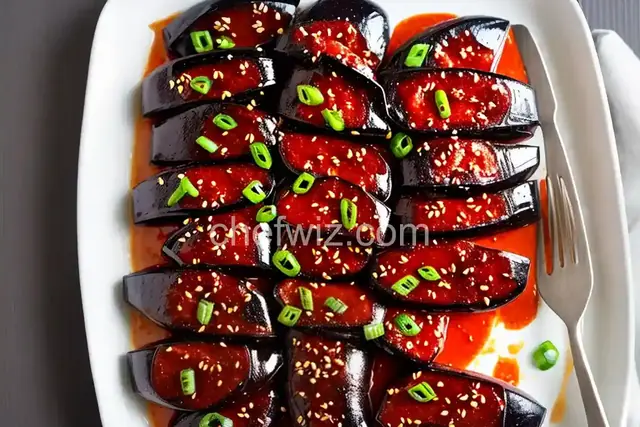 By AprilPublished
 Are you tired of the same old vegetable dishes that lack excitement and flavor?
Cut 4 to 5 Japanese eggplants in half lengthwise and then crosswise.
Brush the eggplants with vegetable oil.
Place the eggplants, flesh-side down, on a baking sheet lined with foil.
Bake the eggplants at 400Ëš F for about 15 minutes, or until they become tender.
In a bowl, whisk together 2 tablespoons of soy sauce, gochujang (Korean red chile paste), and honey.
Add 1 teaspoon each of toasted sesame oil and minced garlic, as well as 1/2 teaspoon of kosher salt to the bowl and continue whisking.
Brush the glaze onto the eggplants.
Set the oven to broil and continue cooking the eggplants until they become charred, approximately 4 minutes.
Brush the remaining glaze onto the eggplants.
Finally, top the eggplants with sliced scallions and sesame seeds.
Are you tired of the same old vegetable dishes that lack excitement and flavor? If so, it's time to give your taste buds a delightful surprise with gochujang-glazed eggplant. This Korean-inspired dish will take your love for eggplant to a whole new level. So, let's dive into the world of gochujang and explore how it can transform your plate into a masterpiece.
Gochujang is a fiery and savory Korean chili paste that adds a punch of flavor to any dish. Made from fermented soybeans, chili powder, glutinous rice, and salt, this thick and sticky condiment is a staple in Korean cuisine. It strikes the perfect balance between sweet, spicy, and umami, making it a versatile ingredient that can be used in various recipes.
Eggplant, also known as aubergine, is a vegetable that offers a meaty texture and mild flavor. Its sponge-like flesh beautifully absorbs flavors, making it an ideal canvas for gochujang's intense taste. When cooked, eggplant becomes tender and succulent, creating a delightful contrast to the bold flavors of gochujang. It's a match made in culinary heaven!
Now, let's get to the main event - the gochujang-glazed eggplant recipe. This simple yet mouthwatering dish will impress your family and friends. The first step is to slice the eggplant into thick rounds and generously brush them with a mixture of gochujang, soy sauce, sesame oil, and honey. Then, grill or roast the eggplant until it turns golden brown and caramelized. The result? A tantalizing blend of smoky, spicy, and sweet flavors that will leave you craving for more.
Gochujang-glazed eggplant is more than just a delicious dish. It's a game-changer in the world of vegetable recipes. Here's why:
With gochujang's bold and complex flavors, every bite of the glazed eggplant is a party in your mouth. The smoky char from grilling or roasting adds another layer of deliciousness to the equation.
Gochujang-glazed eggplant can be enjoyed as a standalone dish or served as a side to complement your main course. It pairs well with rice, noodles, or even wrapped in a lettuce leaf for a refreshing and crunchy bite.
Eggplant is a nutritional powerhouse, rich in fiber, vitamins, minerals, and antioxidants. Combined with the health benefits of gochujang, this dish not only satisfies your taste buds but also nourishes your body.
Gochujang-glazed eggplant is a fantastic way to add excitement and flavor to your vegetable dishes. The combination of gochujang's bold taste and eggplant's tender texture creates a harmonious symphony of flavors. So, why settle for bland when you can savor this delightful twist to your veggie delight? Go ahead, give it a try, and let your taste buds dance with joy!
While gochujang is the star of this recipe, you can experiment with other chili pastes. However, keep in mind that gochujang's unique flavor profile adds that extra oomph to the dish.
Gochujang has a moderate level of spiciness. If you prefer a milder version, you can adjust the amount of gochujang in the recipe or remove the seeds from the chili powder.
Absolutely! While eggplant works wonders in this recipe, you can try using zucchini, bell peppers, or even tofu for a different twist.
Yes, you can prepare the glazed eggplant ahead of time and reheat it when ready to serve. However, freshly cooked eggplant has the best texture and flavor.
If you prefer a less sweet glaze, you can reduce the amount of honey or substitute it with a natural sweetener like maple syrup or agave nectar.
Gochujang traditionally contains gluten due to the use of glutinous rice. However, gluten-free versions are available in the market, so be sure to check the label if you have dietary restrictions.
Absolutely! Gochujang is a versatile ingredient that can elevate various dishes, including stews, stir-fries, marinades, and dipping sauces.
Gochujang is readily available in Asian grocery stores, specialty food stores, and online platforms. Look for reputable brands to ensure authentic flavors.
AprilCook, recipe developer and the heart of Chefwiz. More about April