Gluten-Free White Bread for Bread Machines
Rate this recipeBe the first to rate
 By AprilPublished
 Are you tired of missing out on delicious bread because of a gluten intolerance or allergy?
 By AprilPublished
 Are you tired of missing out on delicious bread because of a gluten intolerance or allergy?
Start by adding the ingredients to a bread machine according to the given order or as per the manufacturer's instructions.
Choose the sweet dough cycle on the bread machine.
After five minutes into the cycle, assess the dough's consistency. If needed, add more rice flour or liquid to adjust it accordingly.
Allow the bread to cool for approximately 10 to 15 minutes before taking it out of the pan.
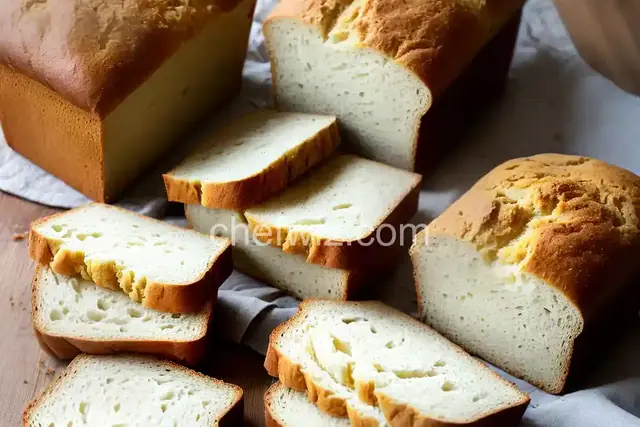
Are you tired of missing out on delicious bread because of a gluten intolerance or allergy? Well, worry no more! With the help of a bread machine, you can now enjoy freshly baked gluten-free white bread right in the comfort of your own home. No more settling for store-bought alternatives that just don't hit the mark. Let's dive into the world of gluten-free baking and discover how you can create a loaf of bread that is not only safe to eat but also incredibly tasty.
Going gluten-free can feel like a daunting task. Saying goodbye to traditional bread and embracing a new way of baking can be overwhelming. But fear not! Just like any other challenge, it's all about finding the right approach and the right tools to make your journey easier.
A bread machine is your secret weapon in the battle against gluten-free bread. It takes away the guesswork and ensures consistent results every time. The machine does all the hard work for you, from mixing the ingredients to kneading the dough and baking the bread to perfection. All you have to do is add the ingredients and press a few buttons. It's like having a personal baker in your kitchen!
When it comes to gluten-free baking, the choice of ingredients is crucial. A combination of different gluten-free flours, such as rice flour, tapioca flour, and potato starch, can help mimic the texture and taste of traditional bread. Xanthan gum is another essential ingredient that acts as a binding agent, providing structure to the bread.
Now that you understand the basics, let's walk through the process of making gluten-free white bread in a bread machine.
Before you begin, make sure you have all the necessary ingredients on hand. Remember, the quality of the ingredients will directly impact the taste and texture of your bread.
Next, measure out the gluten-free flours, xanthan gum, yeast, sugar, salt, and any other additional ingredients your recipe calls for. Combine them in a bowl and give them a good mix to ensure they are evenly distributed.
Now it's time to add the dry ingredients to your bread machine. Make sure to follow the specific instructions for your machine regarding the order in which the ingredients should be added.
In a separate bowl, mix together the wet ingredients, such as water, oil, and eggs. Once combined, pour them into the bread machine on top of the dry ingredients.
Step 5: Select the Gluten-Free Setting
Most bread machines have a gluten-free setting specifically designed for gluten-free bread. Select this setting to ensure the machine optimizes the baking process for your bread.
Step 6: Let the Machine Work Its Magic
Press the start button and let the bread machine work its magic. Sit back and relax as the machine mixes, kneads, and bakes your gluten-free white bread to perfection.
With the help of a bread machine, gluten-free baking has never been easier. You can now enjoy freshly baked gluten-free white bread without the hassle of traditional methods. So go ahead, embrace the world of gluten-free baking, and indulge in the deliciousness of homemade bread. Your taste buds will thank you!
No, regular wheat flour contains gluten, which is what we are trying to avoid in a gluten-free recipe. Stick to gluten-free flours for the best results.
Gluten-free bread tends to have a shorter shelf life than traditional bread. It is best consumed within a few days or frozen for later use.
It is not recommended to use a gluten-free recipe in a regular bread machine as the settings and baking process may not be suitable for gluten-free bread.
Absolutely! Feel free to experiment with different flavors and add-ins, such as herbs, spices, or even dried fruits and nuts, to make your gluten-free bread more exciting.
Xanthan gum is a key ingredient in gluten-free baking as it helps provide structure and elasticity. It is challenging to find a suitable substitute, so it is best to use it as recommended.
Yes, you can! Bread machines can be used to make a variety of gluten-free baked goods, such as pizza dough, cakes, and even jam.
Yes, you can make gluten-free bread without a bread machine, but it requires more hands-on effort and knowledge of gluten-free baking techniques.
Absolutely! Some bread machines offer a "dough" setting where you can knead the dough and then transfer it to a baking pan for oven baking.
AprilCook, recipe developer and the heart of Chefwiz. More about April