Gluten-Free Stuffing
Rate this recipeBe the first to rate
 By AprilPublished
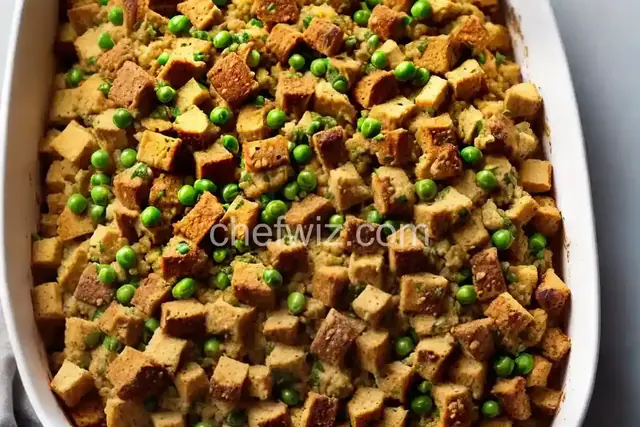
 When it comes to Thanksgiving or any other festive meal, stuffing is an essential side dish that adds warmth and flavor to the table.
 By AprilPublished
 When it comes to Thanksgiving or any other festive meal, stuffing is an essential side dish that adds warmth and flavor to the table.
Preheat the oven to 350 degrees F (175 degrees C) and lightly grease a 9x13-inch baking dish.
Spread butter on both sides of each bread slice and place them on baking sheets.
Bake the bread in the preheated oven until toasted, for about 5 to 10 minutes.
Heat a large skillet over medium heat. Cook and stir the turkey until it is browned and crumbly, which should take around 5 to 7 minutes. Drain and discard any grease.
Crumble the toasted bread into a large bowl and mix in sage, celery salt, and black pepper.
In a saucepan over medium heat, heat the remaining butter. Cook and stir the onion, apple, celery, and mushrooms in the butter until tender, which should take about 5 to 10 minutes.
Stir the onion mixture into the bread mixture. Add the cooked turkey, chicken broth, and cream. Gently mix until all the ingredients are evenly combined.
Spread the mixture into the prepared baking dish and cover it with aluminum foil.
Bake in the preheated oven for 30 minutes. Then, remove the foil and continue cooking until the top is browned, which should take approximately 20 minutes more.
For the toasted bread, you can use a combination of Udi's(R) white bread and hamburger buns. Any cooking apple will work, such as M
When it comes to Thanksgiving or any other festive meal, stuffing is an essential side dish that adds warmth and flavor to the table. But what if you or your loved ones have dietary restrictions? Gluten-free stuffing is the perfect solution to ensure that everyone can enjoy this traditional favorite without compromising their health. In this article, we will explore the world of gluten-free stuffing, its benefits, and some mouthwatering recipes that will leave you wanting more.
Gluten is a protein commonly found in grains like wheat, barley, and rye. For individuals with celiac disease or gluten sensitivity, consuming gluten can lead to various health issues, including digestive problems and nutrient deficiencies. That's where gluten-free alternatives come in. By replacing gluten-containing ingredients with gluten-free options, you can create a dish that is safe and suitable for those with dietary restrictions.
Gluten-free stuffing offers a range of benefits beyond just catering to dietary needs. It allows you to explore new flavors and ingredients, adding a creative twist to a classic dish. Whether you choose to use gluten-free bread, rice, quinoa, or even cauliflower as the base, you can still achieve the comforting texture and delicious taste that stuffing is known for. Plus, by using gluten-free options, you open up the opportunity for more people to enjoy your culinary creations.
This recipe takes advantage of the nutty flavor and fluffy texture of quinoa to create a delicious and nutritious stuffing option. By combining cooked quinoa with sautéed vegetables like onions, carrots, and celery, you can achieve a savory and satisfying dish that pairs perfectly with roasted turkey or chicken.
If you're a fan of cornbread, this recipe will surely delight your taste buds. By using gluten-free cornbread as the base and adding flavorful sausage, herbs, and spices, you'll create a stuffing that is rich in flavor and has a delightful combination of textures. This recipe is sure to become a family favorite.
Mushrooms add a fantastic umami flavor and a meaty texture to any dish. This rice and mushroom stuffing combines the earthy taste of mushrooms with cooked rice, onions, and herbs. The result is a hearty and satisfying stuffing that will impress even the most discerning palates.
Gluten-free stuffing is a versatile and delicious option for those with dietary restrictions or anyone looking to try something new. By exploring different ingredients and flavors, you can create a stuffing that not only meets your dietary needs but also brings joy to your taste buds. So, this Thanksgiving or any other special occasion, don't let dietary restrictions hold you back from enjoying a mouthwatering stuffing. Give gluten-free stuffing a try, and you'll be pleasantly surprised!
Absolutely! Gluten-free bread is a popular choice for gluten-free stuffing. You can find gluten-free bread options at most grocery stores or even make your own using gluten-free flours.
Yes, you can prepare gluten-free stuffing in advance. Just make sure to store it properly in an airtight container in the refrigerator. When you're ready to serve, reheat it in the oven or microwave until heated through.
Yes, there are several gluten-free alternatives to bread for stuffing. Some options include using cooked rice, quinoa, cornbread, or even cauliflower as the base. Get creative and experiment with different ingredients to find your favorite combination.
Yes, you can freeze gluten-free stuffing. Allow it to cool completely, then transfer it to an airtight container or freezer bags. When you're ready to enjoy it, thaw it in the refrigerator overnight and reheat it in the oven.
To enhance the flavor of gluten-free stuffing, make sure to use plenty of herbs, spices, and flavorful ingredients like onions, garlic, and mushrooms. You can also add broth or stock to add moisture and depth of flavor.
Absolutely! Adding nuts or dried fruits to gluten-free stuffing can provide a delightful crunch and bursts of sweetness. Just make sure to check that the nuts and dried fruits you use are gluten-free.
Yes, gluten-free stuffing can be easily adapted to suit a vegan diet. Simply choose vegan-friendly ingredients like vegetable broth, plant-based butter, and omit any animal products like meat or dairy.
Yes, if you have dietary restrictions or personal preferences that exclude onions and garlic, you can still make delicious gluten-free stuffing. Consider using alternative flavorings like herbs, spices, and even shallots to add depth and complexity to your dish.
AprilCook, recipe developer and the heart of Chefwiz. More about April