Gluten-Free Skillet Cornbread
Rate this recipeBe the first to rate
 By AprilPublished
 Who doesn't love a warm, comforting slice of cornbread? Its golden crust, fluffy texture, and rich flavor make it the perfect accompaniment to a hearty meal.
 By AprilPublished
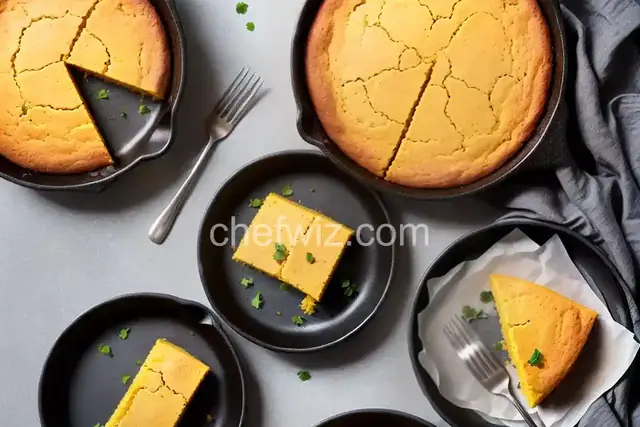
 Who doesn't love a warm, comforting slice of cornbread? Its golden crust, fluffy texture, and rich flavor make it the perfect accompaniment to a hearty meal.
Preheat the oven to 375°.
Place a dry skillet over low heat to warm up.
In a medium bowl, whisk together cornmeal, baking soda, and salt.
Create a well in the center of the dry ingredients and add the egg and buttermilk.
Whisk vigorously, starting from the center and working your way out, until the batter is smooth and all the dry ingredients are incorporated.
Increase the heat to medium-high and add bacon fat to the skillet.
Swirl the skillet to evenly coat the bottom and sides with bacon fat.
Whisk the batter once more to mix everything together, then pour it into the skillet and smooth the top (the batter may sputter around the edges).
Bake the cornbread in the oven for 25-30 minutes, or until the edges are golden brown, the top is golden and cracked in places, and it feels firm to the touch.
Allow the cornbread to cool in the pan for at least 5 minutes before cutting it into wedges.
Serve the cornbread with Hot Honey Butter.
Optional: The cornbread can be baked 8 hours in advance. Allow it to cool completely, then tightly wrap it and store at room temperature.
Who doesn't love a warm, comforting slice of cornbread? Its golden crust, fluffy texture, and rich flavor make it the perfect accompaniment to a hearty meal. But for those who follow a gluten-free diet, enjoying traditional cornbread can be a challenge. Luckily, there's a solution - gluten-free skillet cornbread! In this article, we'll explore the world of gluten-free baking and discover how to make a mouthwatering skillet cornbread that everyone can enjoy.
Baking without gluten can be tricky. Gluten, a protein found in wheat, barley, and rye, gives baked goods their structure and elasticity. Without it, gluten-free baked goods can often turn out dry, crumbly, or gummy. However, with the right techniques and ingredients, you can achieve the perfect texture and taste in your gluten-free skillet cornbread.
The key to successful gluten-free baking lies in choosing the right flour. While traditional cornbread recipes call for cornmeal and wheat flour, gluten-free cornbread requires alternative flours that mimic the texture and structure of gluten. Popular options include rice flour, almond flour, and corn flour. Experiment with different combinations to find the perfect blend for your skillet cornbread.
Gluten-free flours can sometimes have a slightly different taste compared to wheat flour. To enhance the flavor of your skillet cornbread, consider adding ingredients like honey, maple syrup, or even a pinch of cinnamon. These additions will not only add sweetness but also complement the natural corn flavor.
Now that we've covered the basics of gluten-free baking, let's dive into the world of skillet cooking. Cooking cornbread in a cast iron skillet adds a unique twist to this classic dish. The skillet's heat retention and even distribution allow for a crispy, golden crust while keeping the inside moist and tender.
Before you start baking, it's important to season your skillet properly. This process involves coating the skillet with oil and heating it in the oven. Seasoning not only prevents sticking but also adds flavor and enhances the non-stick properties of the cast iron.
Now that you're armed with the knowledge of gluten-free baking and skillet cooking, it's time to put it all together. Here's a simple recipe to get you started:
- Preheat your oven and skillet
- Combine the dry ingredients in one bowl
- Mix the wet ingredients in another bowl
- Gradually add the wet ingredients to the dry ingredients
- Pour the batter into the preheated skillet
- Bake until golden brown and a toothpick comes out clean
Gluten-free skillet cornbread is a delicious twist on a classic. With the right flour, seasoning, and cooking technique, you can create a mouthwatering cornbread that satisfies everyone's taste buds. So, don't let a gluten-free diet stop you from enjoying this beloved comfort food. Grab your skillet, gather your ingredients, and get ready to savor the flavors of gluten-free goodness!
No, regular flour contains gluten, which is not suitable for those on a gluten-free diet. It's important to use gluten-free flour to ensure the cornbread is safe to consume.
Cornmeal is an essential ingredient in cornbread as it gives it its signature texture and flavor. Substituting it with another flour may alter the taste and texture of the final product.
Yes, you can easily make this recipe dairy-free by using plant-based milk and substituting butter with a dairy-free alternative like coconut oil or margarine.
Absolutely! Feel free to add your favorite ingredients to the cornbread batter, such as shredded cheese, diced jalapenos, or even cooked bacon. Just make sure they are gluten-free and complement the flavors of the cornbread.
While cast iron skillets are ideal for skillet cornbread, you can use other oven-safe pans like ceramic or glass. Just keep in mind that the cooking time and results may vary.
Properly stored in an airtight container, gluten-free skillet cornbread can last for up to 3 days at room temperature or up to a week in the refrigerator. You can also freeze it for longer storage.
Absolutely! You can use a muffin tin to make individual cornbread muffins instead of a skillet. Adjust the baking time accordingly, as muffins will cook faster than a whole skillet of cornbread.
Yes, you can easily customize this recipe to make sweet cornbread. Simply increase the amount of sweetener, such as honey or maple syrup, to achieve the desired sweetness.
AprilCook, recipe developer and the heart of Chefwiz. More about April