Gluten-Free Pizza Dough
Rate this recipeBe the first to rate
 By AprilPublished
 Are you a pizza lover who has to follow a gluten-free diet? Don't worry, because we've got you covered!
 By AprilPublished
 Are you a pizza lover who has to follow a gluten-free diet? Don't worry, because we've got you covered!
In a medium pot, place the potatoes and cover them with water.
Bring the water to a boil and let the potatoes cook until they are easily pierced with a fork. This should take about 25 minutes. Once cooked, remove the potatoes from the water.
After the potatoes have cooled down, peel off the skin and pass them through a ricer set over a large bowl. This should yield approximately 2 cups of mashed potatoes. Set the mashed potatoes aside.
In a measuring cup or small bowl, combine warm water, agave, and yeast. Allow the mixture to sit undisturbed until a thin layer of foam forms on top. This should take around 3 to 5 minutes. If no foam forms, discard the mixture and start again with fresh yeast.
To the bowl of a stand mixer fitted with the paddle attachment, add the mashed potatoes, rice flour, tapioca starch, and 3/4 teaspoon of salt. Mix on medium speed until the ingredients are well combined and resemble a fine, crumbly meal.
While still mixing on medium speed, slowly add the egg white and oil to the mixture. Gradually drizzle in the yeast mixture and continue mixing until the dough comes together. It may feel slightly sticky.
Cover the bowl tightly with plastic wrap and place it in a warm area. Allow the dough to rise and increase in size by approximately half. This typically takes around 1 1
Are you a pizza lover who has to follow a gluten-free diet? Don't worry, because we've got you covered! In this article, we will dive into the world of gluten-free pizza dough and explore how you can make delicious pizzas without compromising on taste or texture. So, let's get started!
Gluten is a protein found in wheat, barley, and rye. For people with celiac disease or gluten sensitivity, consuming gluten can lead to digestive issues and various other health problems. That's where gluten-free pizza dough comes to the rescue! By eliminating gluten from the dough, you can still enjoy your favorite pizzas without any adverse effects on your health.
Gluten-free pizza dough is typically made using a combination of gluten-free flours such as rice flour, almond flour, or chickpea flour. These alternative flours provide the necessary structure to the dough, ensuring it holds together and produces a crispy crust. Additionally, ingredients like xanthan gum or psyllium husk powder are often added to mimic the elasticity that gluten provides.
The key to a successful gluten-free pizza dough lies in selecting the right flour blend. Experimenting with different combinations of gluten-free flours can help you achieve the desired texture and taste. Some flours may be more absorbent than others, so it's important to find the right balance that works for you.
Xanthan gum is a common ingredient used in gluten-free baking. It acts as a binder and helps improve the texture and elasticity of the dough. Adding xanthan gum to your gluten-free pizza dough recipe can make a significant difference in the final result, giving you a chewy and stretchy crust.
Now that you understand the basics, let's dive into making gluten-free pizza dough. The process is quite similar to making traditional pizza dough, with a few modifications:
Start by combining your chosen gluten-free flours, xanthan gum, yeast, sugar, salt, and warm water. Mix everything together until a sticky dough forms. You may need to adjust the amount of water or flour to achieve the right consistency.
Transfer the dough onto a lightly floured surface and knead it for a few minutes. Gluten-free dough tends to be stickier and less elastic, so don't worry if it doesn't feel the same as traditional dough. Place the dough in a greased bowl, cover it with a damp cloth, and let it rise until it doubles in size.
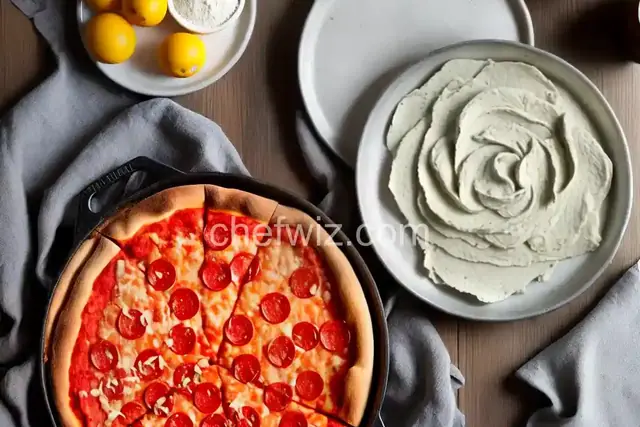
Once the dough has risen, punch it down to release any air bubbles. Transfer it onto a parchment-lined baking sheet and shape it into your desired pizza crust. Add your favorite gluten-free pizza toppings and bake it in a preheated oven until the crust is golden brown and crispy.
Here are some additional tips to help you achieve the perfect gluten-free pizza:
Gluten-free pizza dough allows pizza lovers with dietary restrictions to enjoy a delicious slice without compromising on flavor or texture. By choosing the right flour blend, adding xanthan gum, and following a few tips, you can create a gluten-free pizza that rivals its gluten-filled counterparts. So, go ahead and satisfy your pizza cravings with a homemade gluten-free pizza!
Absolutely! Gluten-free pizza dough mixes are a convenient option for those who prefer a ready-to-use solution. Simply follow the instructions on the package, and you'll have a gluten-free pizza dough ready in no time.
Yes, you can! Gluten-free pizza dough freezes well, allowing you to prepare a larger batch and save it for future use. Just make sure to wrap the dough tightly in plastic wrap or store it in an airtight container before freezing.
While xanthan gum helps improve the texture of gluten-free pizza dough, it is not an essential ingredient. If you prefer not to use xanthan gum, you can try substituting it with psyllium husk powder, chia seeds, or flaxseed meal as a binding agent.
To make a thin-crust gluten-free pizza, simply roll out the dough into a thinner layer before adding the toppings. Keep in mind that gluten-free dough may be more delicate, so handle it with care when shaping the crust.
Absolutely! Gluten-free pizza dough can be used for more than just pizzas. You can use it to make breadsticks, calzones, or even gluten-free garlic knots. Get creative and explore the various possibilities!
No, they are not the same. Gluten-free pizza dough is made using alternative flours, while cauliflower crust is primarily made from cauliflower rice. Both options are suitable for those following a gluten-free diet, but they have different textures and flavors.
Yes, you can! If you prefer not
AprilCook, recipe developer and the heart of Chefwiz. More about April