Gluten Free Pastry
Rate this recipeBe the first to rate
 By AprilPublished
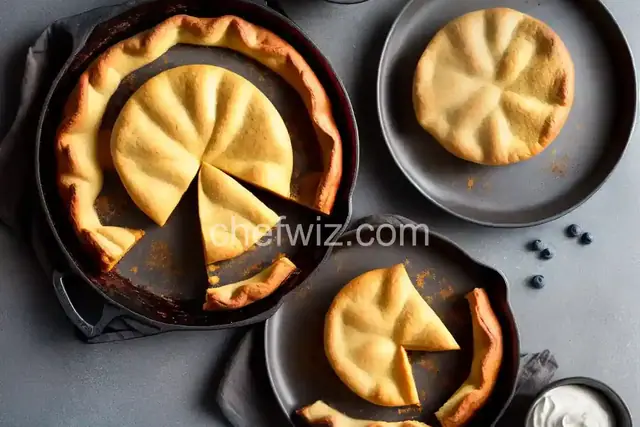
 Who doesn't love a warm, flaky pastry straight out of the oven?
 By AprilPublished
 Who doesn't love a warm, flaky pastry straight out of the oven?
In a bowl, combine rice flour, sugar, salt, and baking powder. Use a whisk to mix them together.
Cut in the shortening until the mixture has a sandy texture.
Add water and vanilla extract to the mixture and stir until a dough forms and comes together in a ball.
Wrap the dough in plastic wrap and refrigerate it for at least 1 hour or up to 3 days.
On a work surface lightly dusted with flour, roll out the dough to your desired thickness.
Follow the baking instructions provided in your pie recipe.
Who doesn't love a warm, flaky pastry straight out of the oven? The buttery goodness and delicate layers make for a heavenly treat. But what if you have a gluten intolerance or allergy? Does that mean you have to miss out on this delectable delight? Not anymore! In this article, we will explore the world of gluten-free pastry and how you can enjoy all the deliciousness without the gluten.
Gluten-free baking has been gaining popularity in recent years, and for good reason. With more and more people discovering gluten sensitivities and celiac disease, the demand for gluten-free alternatives has skyrocketed. But it's not just about catering to dietary restrictions; it's about creating inclusive and tasty options for everyone to enjoy.
Just like with traditional pastries, the key to a successful gluten-free pastry lies in the combination of ingredients and techniques. While wheat flour is the go-to choice for regular pastries, gluten-free flours like almond flour, rice flour, or a blend of various gluten-free flours can work wonders. These flours provide a similar texture and flavor profile, ensuring that you don't miss out on the joy of a perfect pastry.
Creating gluten-free pastry may require a bit of experimentation and practice, but the results are well worth it. The key is to find the right balance of ingredients and techniques to achieve the desired texture and taste. Here are a few tips to get you started:
When it comes to gluten-free pastry, not all flours are created equal. Experiment with different gluten-free flour blends to find the one that suits your taste buds. Some flours, like almond flour, can lend a subtle nutty flavor to your pastries, while others, like rice flour, provide a neutral base.
Xanthan gum is a magical ingredient in gluten-free baking. It helps mimic the elasticity and binding properties of gluten, resulting in a better texture and structure for your pastries. Just a teaspoon or two can make a world of difference.
Gluten-free dough tends to be stickier and more delicate than its gluten-filled counterpart. To make it easier to work with, chill the dough before rolling it out. This will help prevent it from sticking to your rolling pin and countertop.
When handling gluten-free dough, remember that less is more. Overworking the dough can result in a tough and dense pastry. Be gentle and use a light touch to maintain the delicate texture.
Gluten-free pastry opens up a world of possibilities for those who follow a gluten-free lifestyle. With the right ingredients, techniques, and a dash of creativity, you can enjoy the same flaky, buttery goodness in every bite. So, why let gluten get in the way of your pastry cravings? Give gluten-free pastry a try and indulge in a treat that's both delicious and inclusive.
While you can use gluten-free flour in many recipes, it may require some adjustments. Gluten-free flours absorb moisture differently, so you may need to add more liquid or use a binding agent like xanthan gum.
Absolutely! Gluten-free pastry freezes well and can be stored for future use. Just make sure to wrap it tightly in plastic wrap or place it in an airtight container to prevent freezer burn.
While gluten-free pastries may be a better option for those with gluten sensitivities, they are not necessarily healthier. They can still be high in calories and fat, so enjoy them in moderation.
Definitely! Gluten-free pastry can be used in both sweet and savory dishes. Use it as a base for quiches, tarts, or hand pies, and let your creativity run wild.
Puff pastry is a bit trickier to make gluten-free due to its intricate layers. While it's possible to create gluten-free puff pastry, it may require more advanced baking skills and techniques.
Absolutely! Many gluten-free pastry recipes can be easily adapted to be vegan. Simply swap out the butter for a vegan alternative, like coconut oil or margarine.
Gluten-free flours are widely available in most grocery stores nowadays. You can also find them in specialty health food stores or order them online for convenience.
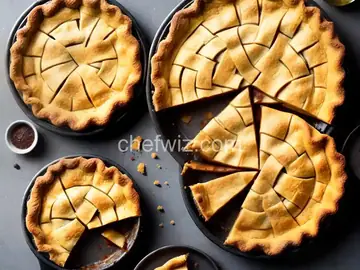
Yes, you can! Gluten-free pastry can be used to make delicious pies, just like its gluten-filled counterpart. Whether it's a classic apple pie or a savory meat pie, the possibilities are endless.
AprilCook, recipe developer and the heart of Chefwiz. More about April